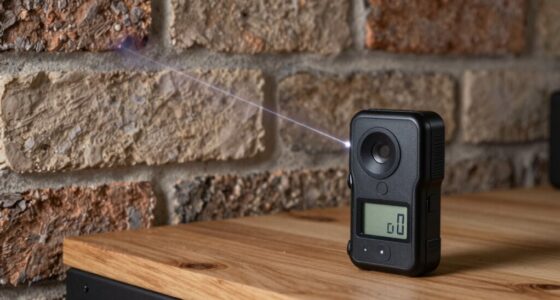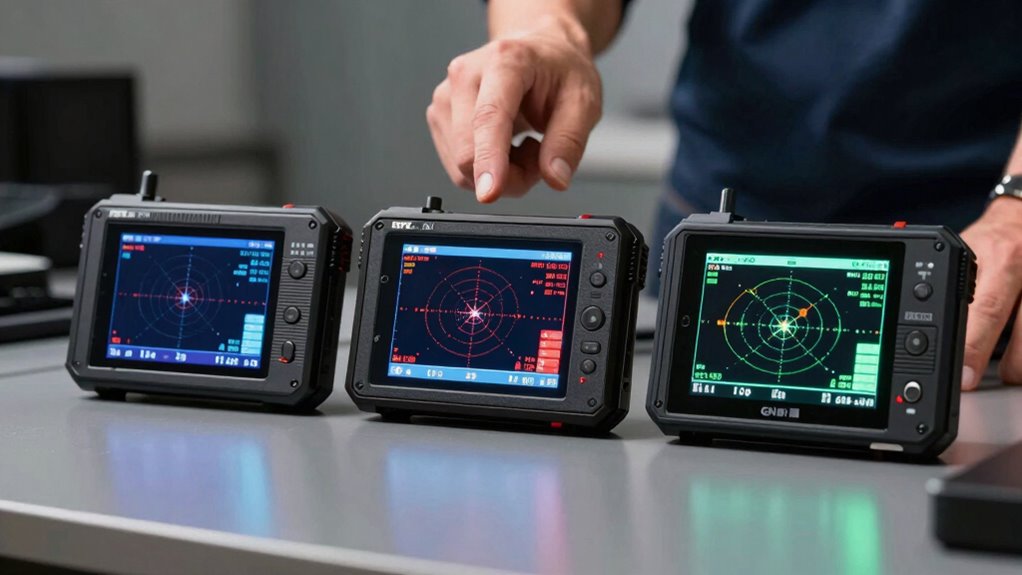

To compare RTK GNSS receivers without overpaying, focus on key features like signal accuracy, battery life, and durability. Check how well each model maintains connections in challenging environments, and guarantee it supports quick charging or swappable batteries for long field hours. Make sure it works seamlessly with your existing equipment and is built for outdoor use. Paying attention to these factors helps you find a reliable unit without overspending—more details come next.
Open a free Amazon Business account
Business pricing, bulk buying and tax-exempt orders.
As an affiliate, we earn on qualifying purchases.
Key Takeaways
- Prioritize signal accuracy and robust antennas to ensure precise location data in challenging environments.
- Compare battery life, quick charging, and power management features for extended field use.
- Ensure compatibility with existing equipment, software, and data formats to avoid additional costs.
- Assess durability, weather resistance, and ergonomic design for reliable outdoor performance.
- Evaluate total ownership costs, warranty, and customer support to prevent hidden expenses.
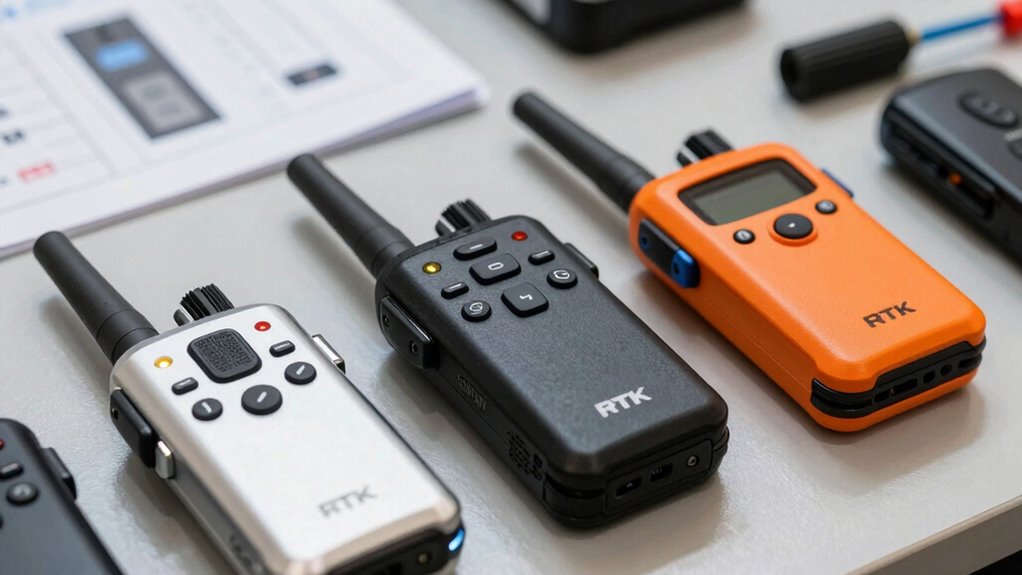
Choosing the right RTK GNSS receiver can substantially impact your surveying accuracy and efficiency, but with so many options available, it’s essential to know what features and specifications to compare. One of the most critical factors is signal accuracy, which determines how precisely your device can pinpoint locations. You want a receiver that can maintain a strong connection to correction signals, especially in challenging environments like urban canyons or heavily wooded areas. Look for models with high-quality antennas and robust processing capabilities that minimize errors and guarantee consistent, reliable data. It’s worth investing in a receiver that offers excellent signal accuracy, even if it comes at a slightly higher price, because the precision directly affects your work’s quality.
Prioritize signal accuracy and strong correction connections for reliable, precise surveying in challenging environments.
Battery life is another imperative aspect to consider. Surveying often involves long hours in the field, and a receiver with limited battery capacity can slow you down or force you to carry multiple power sources. Check the device’s advertised battery life and compare it against real-world usage reports, as some manufacturers might overstate their figures. A good RTK GNSS receiver should last at least 8 to 10 hours on a single charge, giving you enough time to complete your tasks without interruptions. Additionally, consider whether the device supports quick charging or has swappable batteries, which can prolong your operational hours and reduce downtime. Understanding signal processing can also help you better evaluate the technical capabilities of different receivers. Knowing how signal processing techniques impact data quality can help you select a device that performs well in various conditions. Furthermore, being familiar with signal integrity can assist in understanding how different receivers maintain data accuracy over long-term use.
Beyond signal accuracy and battery life, you should also evaluate the receiver’s compatibility with existing equipment and software. Make sure it can connect seamlessly to your other tools and supports standard data formats for easy integration. Durability and weather resistance are essential if you often work in harsh outdoor conditions—they should be rugged enough to withstand dust, water, and impacts. User interface and ease of operation also matter; a device with intuitive controls can save you time and reduce errors during data collection. Moreover, understanding the fundamentals of signal processing can help you better evaluate the technical capabilities of different receivers. It’s also beneficial to consider whether the receiver’s design is optimized for field use, ensuring it’s portable and easy to handle during demanding surveys.
Finally, don’t forget to weigh the total cost of ownership. Sometimes, a cheaper receiver might seem appealing initially, but if it lacks features like long battery life or reliable signal accuracy, you may end up paying more in the long run through repairs, recalibrations, or missed deadlines. Compare warranty and support options, too, since good customer service can make a significant difference when troubleshooting issues in the field. By carefully evaluating these factors, you can avoid overpaying while selecting an RTK GNSS receiver that meets your needs and enhances your surveying productivity.
RTK GNSS receiver with high accuracy
As an affiliate, we earn on qualifying purchases.
As an affiliate, we earn on qualifying purchases.
Frequently Asked Questions
What Are the Key Differences Between RTK and PPK Systems?
RTK and PPK systems differ mainly in data processing and real-time capabilities. RTK offers real-time corrections, ideal if you need instant results, but it’s more sensitive to signal interference and requires constant power management. PPK processes data post-survey, providing more flexibility with interference issues and power use, though it doesn’t deliver immediate results. Your choice depends on whether real-time data or post-processing accuracy suits your project better.
How Does Receiver Update Rate Affect Accuracy?
Higher receiver update rates provide more frequent real-time updates, which can improve your positioning accuracy, especially in dynamic environments. Faster update rates help maintain signal stability and reduce delays in real-time corrections, leading to more precise data. Keep in mind, however, that increasing the update rate may demand more processing power and battery life. So, balance your needs with device capabilities to get the best accuracy without overpaying.
Are There Compatibility Issues With Different GNSS Constellations?
Ever wondered if your GNSS receiver faces compatibility concerns? The answer is yes—different receivers may struggle with certain constellations, leading to constellation challenges. Some units excel with GPS and GLONASS but falter with BeiDou or Galileo. To avoid issues, check if your receiver supports all relevant constellations you plan to use. Ensuring broad compatibility helps you get accurate, reliable data without surprises or extra costs down the line.
What Maintenance Is Required for RTK GNSS Receivers?
You need to perform regular calibration procedures to guarantee your RTK GNSS receiver maintains accuracy, especially after rough handling or extreme conditions. Keep an eye on battery longevity by replacing or recharging batteries before they run out, as this affects operation time. Regularly updating firmware and cleaning antenna connections also helps sustain performance. Proper maintenance minimizes downtime and extends your receiver’s lifespan, ensuring reliable positioning data for your projects.
How Do Environmental Factors Influence GNSS Performance?
Environmental factors greatly influence GNSS performance. Signal interference from nearby electronic devices, dense foliage, or urban canyons can disrupt signal quality. Atmospheric conditions like ionospheric and tropospheric delays also affect accuracy, especially during storms or solar activity. You should monitor these conditions and choose locations with clear skies to improve signal reception. Regularly check for interference sources and plan your surveys when atmospheric conditions are stable for the best GNSS results.
As an affiliate, we earn on qualifying purchases.
Conclusion
When choosing an RTK GNSS receiver, think of it as selecting a reliable partner for your projects. By carefully weighing features and costs, you’ll find a device that fits seamlessly into your workflow, just like a well-tailored suit. With patience and a keen eye, you can avoid the temptation of overspending, ensuring your investment feels just right—like a gentle breeze guiding you toward success without overwhelming your journey.
RTK GNSS receiver with long battery life
As an affiliate, we earn on qualifying purchases.
As an affiliate, we earn on qualifying purchases.
professional RTK GPS with quick charge
As an affiliate, we earn on qualifying purchases.
As an affiliate, we earn on qualifying purchases.
Flea & tick season Picks
flea and tick prevention
As an affiliate, we earn on qualifying purchases.