The most important specs in a GNSS base and rover kit are battery life and data accuracy. You need long-lasting batteries and features like hot-swapping to stay operational during extended work without interruptions. Support for multi-frequency and multi-constellation signals, along with high-quality antennas, directly impact your measurement precision. Ruggedness and environmental resistance matter too, but focusing on these core specs will guarantee your surveys are reliable and efficient. Keep exploring to uncover even more details.
Prime for Young Adults — start your free trial
Fast free delivery, streaming and member deals for eligible 18–24 year olds.
As an affiliate, we earn on qualifying purchases.
Key Takeaways
- Prioritize long battery life and hot-swapping for continuous operation and reduced downtime.
- Ensure support for multi-frequency and multi-constellation GNSS signals for higher positional accuracy.
- Choose high-quality antennas to improve satellite signal reception and measurement precision.
- Consider environmental durability features to maintain reliable performance in various climates.
- Focus on advanced receiver processing capabilities for quick, accurate data collection in complex conditions.
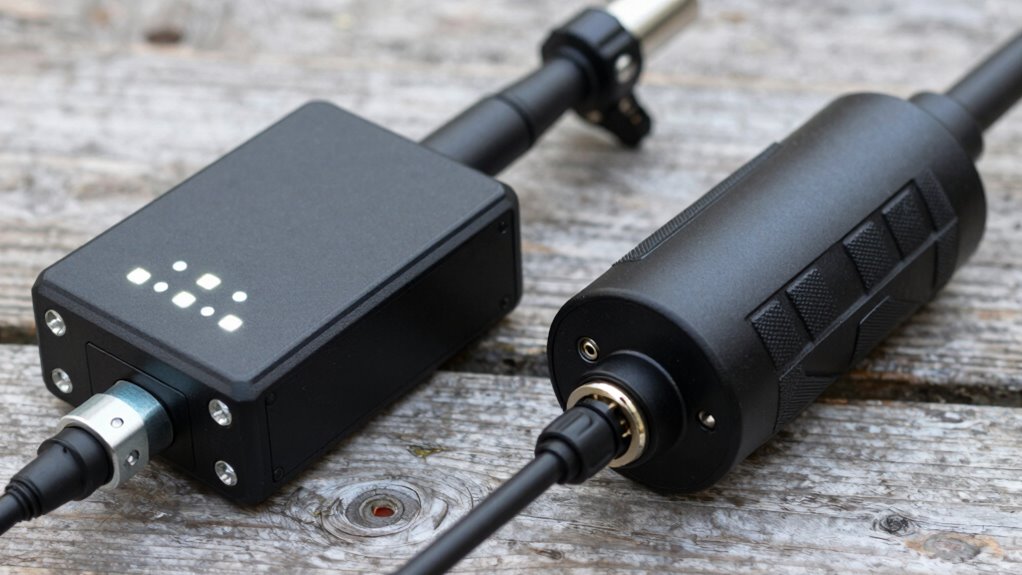
When choosing a GNSS base and rover kit, understanding which specifications truly impact your surveying accuracy and efficiency is essential. Two of the most critical factors you should focus on are battery life and data accuracy. These elements directly influence how well your equipment performs in the field and how dependable your measurements will be over time.
Battery life is often overlooked until it becomes a problem during a long day of surveying. You need a kit that can last through extended work sessions without frequent recharging or battery swaps. Look for systems with long-lasting batteries or those that support hot-swapping options, so you can keep working without interruption. A longer battery life means fewer breaks, less downtime, and increased productivity. It also guarantees that your measurements stay consistent, as low battery power can sometimes cause data to become unreliable or lead to equipment shutdowns at critical moments. Keep in mind that environmental conditions, like cold weather, can drain batteries faster, so consider kits with good battery performance in various climates. Battery performance can vary significantly depending on environmental factors, so choosing a kit designed for your typical working conditions is crucial. Additionally, selecting equipment with efficient power management can further extend operational time, especially in remote locations.
Data accuracy is another non-negotiable aspect of a reliable GNSS kit. The primary purpose of surveying equipment is to provide precise location data, so you need to understand how different specs affect this. Look for kits that support multi-frequency and multi-constellation GNSS signals, as these features improve positional accuracy and reduce errors caused by atmospheric interference or obstructions. The quality of the antennas also plays a crucial role; high-quality antennas can markedly enhance data accuracy by better receiving satellite signals. Additionally, consider the processing capabilities of the receiver—more advanced processors can handle complex calculations quickly and accurately, resulting in more precise measurements. Furthermore, staying informed about receiver specifications can help in selecting equipment that can handle demanding surveying tasks with greater reliability. Incorporating latest GNSS technology into your equipment can provide a competitive edge by improving accuracy and operational efficiency. Remember, even minor improvements in data accuracy translate to better project outcomes and fewer re-surveys. Staying informed about the latest GNSS technology advancements can help you choose equipment that keeps pace with industry standards and innovations.
Ultimately, the ideal GNSS base and rover kit balances long battery life with high data accuracy. While other features like rover range or ruggedness are important, these two specifications have the most immediate impact on your work’s success. Prioritize equipment that offers strong performance in these areas, especially if you plan to conduct extensive surveys or work in challenging environments. By focusing on battery life and data accuracy, you ensure that your equipment not only performs reliably but also delivers the precise measurements needed to complete your projects efficiently and accurately.
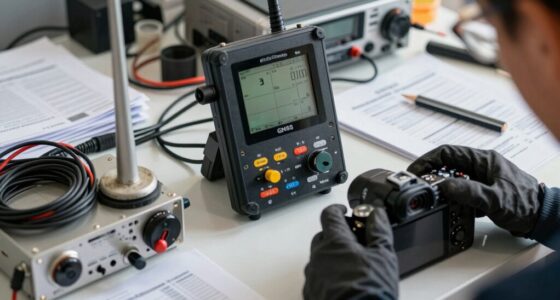
GNSS base and rover kit with long battery life
As an affiliate, we earn on qualifying purchases.
As an affiliate, we earn on qualifying purchases.
Frequently Asked Questions
How Do Environmental Conditions Affect GNSS Accuracy?
Environmental conditions markedly impact your GNSS accuracy. Signal interference from dense foliage, buildings, or other obstructions weakens the satellite signals you receive. Atmospheric effects, like ionospheric and tropospheric delays, also distort signals, causing positional errors. To improve accuracy, you should avoid working in areas with heavy signal interference and account for atmospheric effects. Using correction methods and choosing the best times can help mitigate these environmental influences on your GNSS system.
What Is the Typical Lifespan of a GNSS Receiver?
Imagine you’re working on a survey, and your GNSS receiver suddenly shuts down—frustrating, right? Typically, a GNSS receiver lasts 5 to 10 years, but factors like battery life and signal interference influence its lifespan. Regular maintenance, updating firmware, and protecting it from harsh conditions can extend its usability. Keep an eye on battery performance and minimize interference to guarantee your receiver stays reliable longer.
Can These Kits Be Used for Underwater Surveying?
You can’t use GNSS base and rover kits for underwater surveying because they lack underwater compatibility. Most kits feature a waterproof design, but they aren’t designed to function submerged in water. These systems are optimized for land-based positioning, so attempting underwater surveys won’t work effectively. If you need to survey underwater, look for specialized equipment designed specifically for underwater compatibility and waterproof performance.
How Easy Is It to Upgrade GNSS Components Later?
Upgrading your GNSS components is straightforward thanks to component compatibility and simple upgrade procedures. Think of it as building a puzzle—you can easily swap or add pieces without dismantling the whole setup. Modern kits are designed with future upgrades in mind, making it simple to enhance accuracy or add features. You won’t need to be a tech expert; just follow the manufacturer’s instructions, and you’ll stay current with evolving technology.
What Training Is Needed to Operate a GNSS Kit Effectively?
To operate a GNSS kit effectively, you need basic training in calibration procedures and data processing. You should understand how to set up the equipment correctly, perform calibrations to make certain of accuracy, and process the collected data properly. Hands-on practice is essential, and some manufacturer tutorials or online courses can help. With this knowledge, you’ll confidently manage your GNSS kit and produce reliable survey results.
As an affiliate, we earn on qualifying purchases.
Conclusion
Remember, not all specs are created equal—focus on what truly impacts your work. Prioritize accuracy, update frequency, and durability in your GNSS kit. It’s tempting to get caught up in features that seem impressive but don’t serve your needs. As the saying goes, “Don’t put all your eggs in one basket.” Choose wisely and invest in gear that delivers reliable results, so you can trust your data and get the job done right the first time.
As an affiliate, we earn on qualifying purchases.
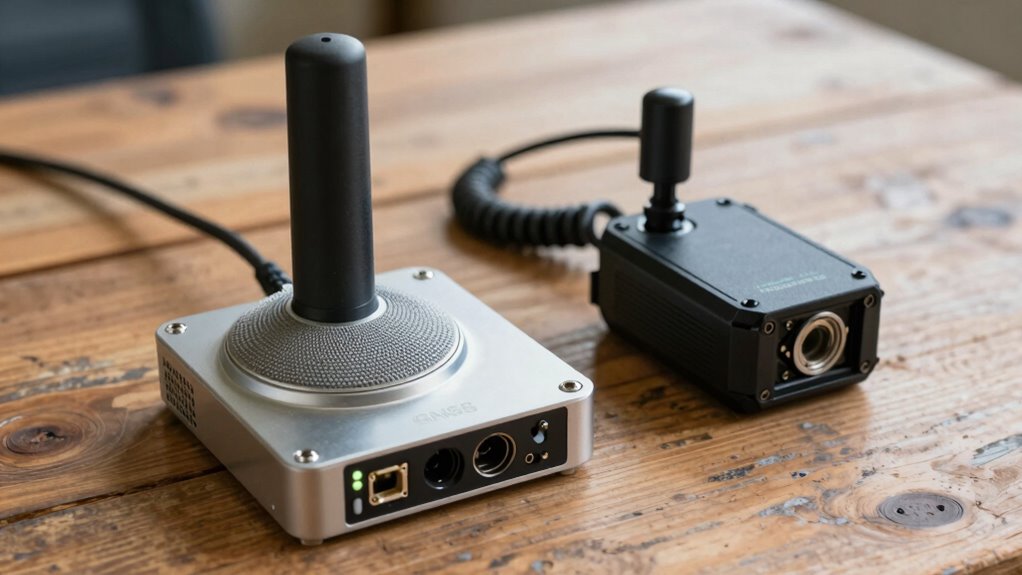
GNSS equipment with hot-swapping batteries
As an affiliate, we earn on qualifying purchases.
As an affiliate, we earn on qualifying purchases.
NFL season / tailgating Picks
team gear
As an affiliate, we earn on qualifying purchases.