A solid geometry foundation comes from understanding core concepts and visualization, unlocking problem-solving skills that go beyond mere memorization—keep reading to learn how.
Browsing Category
Geometry Basics
23 posts
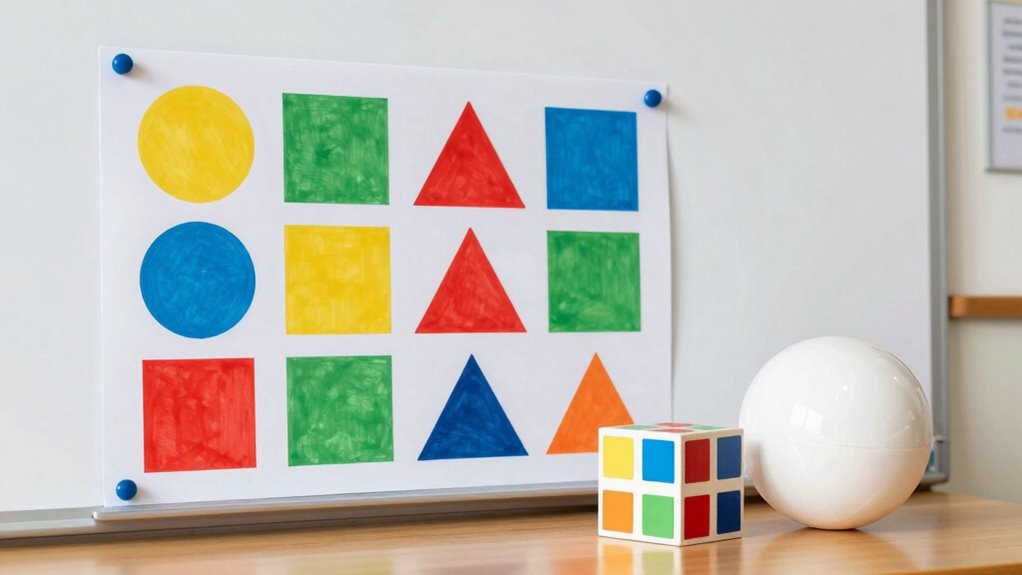
What Beginners Should Understand About 2D vs 3D Shapes
Nurturing your understanding of 2D versus 3D shapes reveals how they differ and why recognizing these differences is essential for exploring the world of shapes.
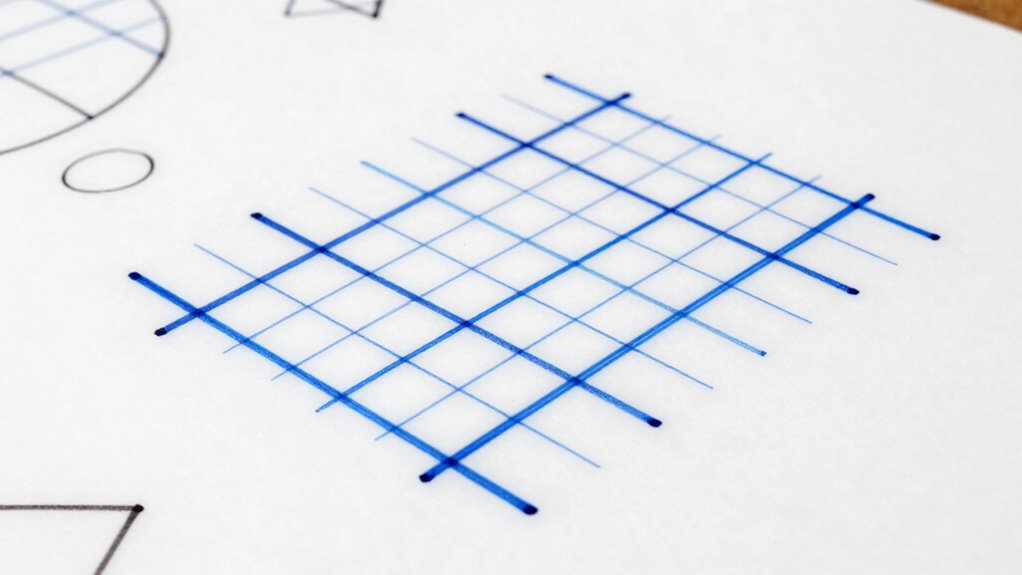
Why Coordinate Grids Make Basic Geometry Easier
Portraying geometric concepts on coordinate grids simplifies problem-solving and visualization, making it easier to understand shapes and transformations—continue reading to see how.
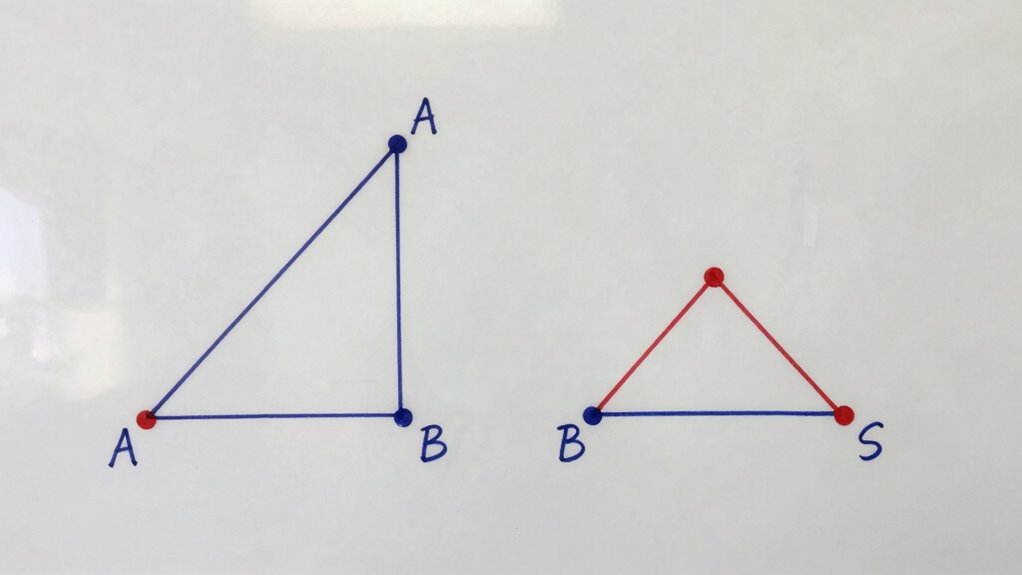
How Similarity Differs From Congruence in Everyday Language
Just understanding how similarity differs from congruence can transform your communication skills and deepen your grasp of language nuances.
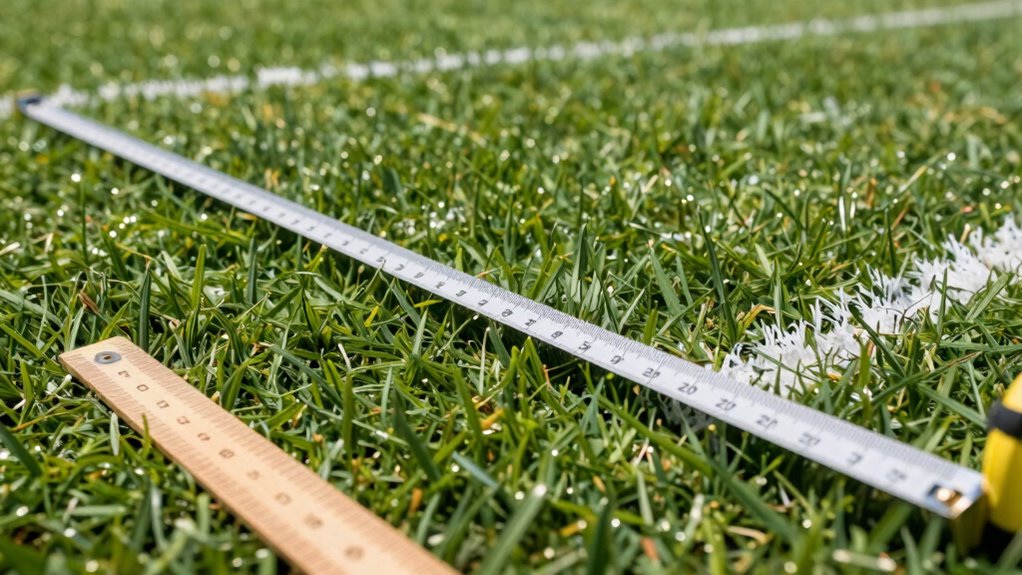
What Area and Perimeter Actually Measure
Finding out what area and perimeter actually measure reveals essential details for planning and understanding shapes better.
Why Angle Vocabulary Matters More Than It Seems
Finding out why angle vocabulary matters more than it seems reveals how it can transform your understanding of the world around you, and you’ll never see shapes the same again.
How to Read a Geometry Diagram Without Missing Key Clues
How to read a geometry diagram without missing key clues and uncover hidden details that will enhance your understanding—keep reading to master the art.
Points, Lines, Rays, and Segments: The Terms People Confuse Most
Many confuse points, lines, rays, and segments, but understanding their differences is essential—continue reading to clarify these fundamental geometric terms.
MacGregor The Bridge Builder
MacGregor announces a new bridge construction project aimed at improving regional connectivity, with details confirmed and some aspects still under development.
Geometry Basics: Congruent Vs Similar Shapes
Theorem or not, understanding congruent versus similar shapes unlocks deeper geometric insights—keep reading to see how they differ and why it matters.