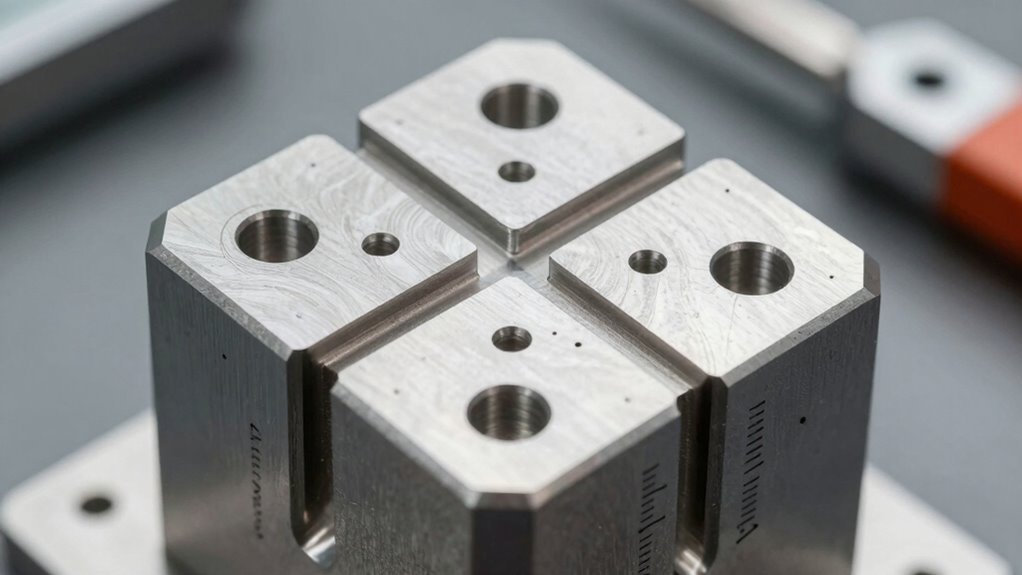

Tolerances matter more than you might expect because even tiny deviations can lead to major issues in fabrication, affecting fit, function, and long-term durability. If you overlook precise measurement and quality control, you risk parts failing or needing costly rework, which delays your project. Small errors can snowball into bigger problems later on, so getting tolerances right early on saves time, money, and frustration. Keep going, and you’ll uncover how mastering these details makes all the difference.
Key Takeaways
- Small deviations in tolerances can cause significant assembly issues and impact overall product performance.
- Proper tolerance control prevents costly rework, delays, and product failures during manufacturing.
- Tight tolerances ensure parts fit correctly, enhancing durability and long-term reliability.
- Overlooking tolerances increases the risk of defective parts passing inspection, leading to quality failures.
- Early consideration of tolerances guides better material choices and fabrication processes, saving time and money.
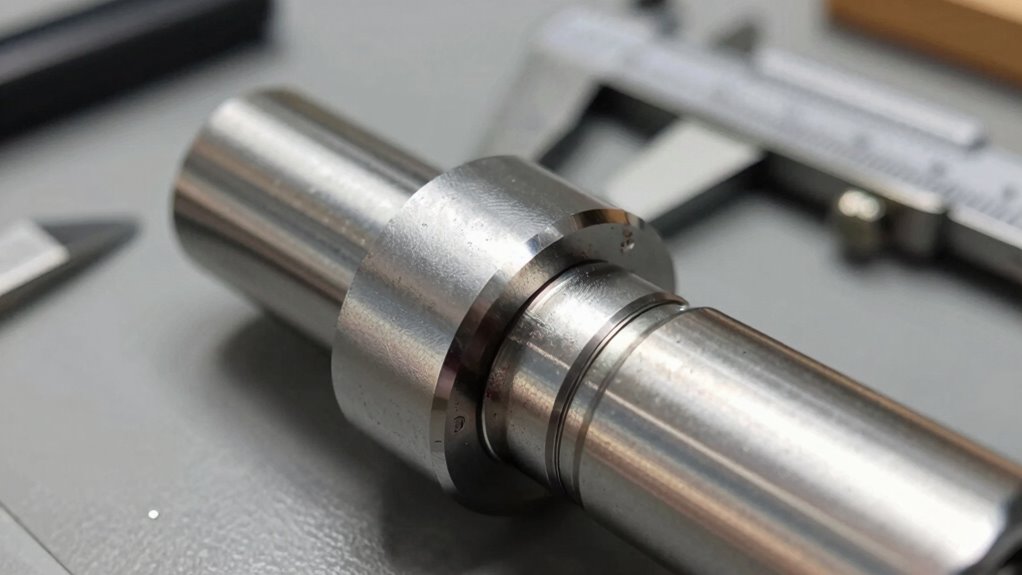
Quality control becomes your best ally in maintaining the integrity of these tolerances. It’s not enough to specify a tolerance; you must verify that each part meets it consistently. This involves implementing rigorous inspection procedures, using precise measurement tools, and understanding the acceptable range of deviation for each component. Overlooking quality control can lead to parts that appear acceptable on paper but fail in real-world applications. When you don’t verify tolerances during production, you risk costly rework, delays, and even product failure. Ensuring that every part adheres to specified tolerances requires a proactive approach, not just a check at the end of manufacturing. Recognizing the role of quality control early on helps prevent issues that could compromise the entire project. Beginners often underestimate the importance of tolerances because they focus on the primary design or immediate fabrication steps. However, tolerances impact the entire lifecycle of your project—from assembly to long-term performance. Small miscalculations in material properties or lax quality control can snowball into larger issues later. That’s why understanding the critical nature of tolerances helps you anticipate potential problems and address them early. Proper material selection helps you choose components that will behave predictably under stress and environmental conditions, reducing the risk of deviations. Additionally, proper measurement techniques are essential to accurately verify that parts meet the specified tolerances, further safeguarding quality. Incorporating comprehensive quality assurance practices early in the process can significantly reduce the risk of errors and defects. Implementing a robust inspection process ensures that deviations are detected promptly, preventing defective parts from progressing further in production. Consistent application of these principles, supported by accurate measurement tools, enhances overall reliability and performance. Simultaneously, rigorous quality control ensures that these materials are processed correctly and finished parts meet precise specifications.
In essence, tolerances aren’t just technical details—they’re fundamental to the success of your fabrication project. Recognizing their importance early on guides you to make smarter choices about material selection and implement effective quality control practices. When you respect these tolerances, you improve your chances of producing parts that fit, function, and last, saving you time, money, and frustration in the long run.
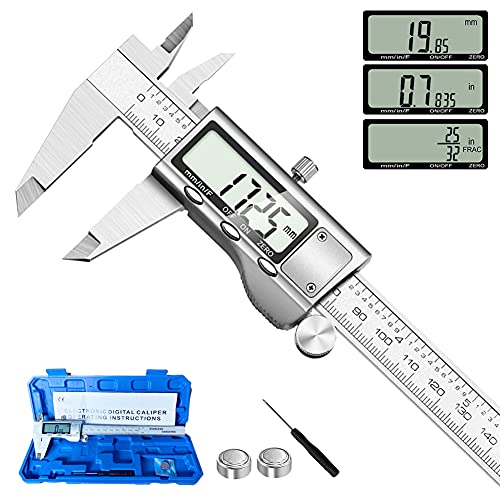
Digital Caliper Measuring Tool, Stainless Steel Vernier Caliper Digital Micrometer with Large LCD Screen, Easy Switch from Inch Metric Fraction, 6 Inch Caliper Tool for DIY/Household
- Material: Stainless steel, waterproof and durable
- Measurement Range: 0-6 inches / 0-150mm
- Accuracy: ±0.001 inch / 0.02mm
As an affiliate, we earn on qualifying purchases.
As an affiliate, we earn on qualifying purchases.
Frequently Asked Questions
How Do Environmental Factors Affect Fabrication Tolerances?
Environmental factors impact fabrication tolerances by influencing material flexibility and environmental stability. Changes in temperature, humidity, or exposure to chemicals can cause materials to expand, contract, or warp, making precise measurements challenging. You need to account for these factors during planning and machining, ensuring your materials stay stable and within tolerance ranges. Proper environmental control minimizes deviations, leading to higher-quality, accurate fabrication results.
Can Tolerances Vary Between Different Materials?
Tolerances do vary between different materials because of material compatibility and manufacturing precision. You might find that metals like aluminum have tighter tolerances, while plastics can be more forgiving. It’s a case of apples and oranges—each material demands its own set of standards. Understanding these differences helps you achieve better quality and fit, ensuring your project stays on track without surprises. Keep these factors in mind for a smoother fabrication process.
What Are the Cost Implications of Tighter Tolerances?
Tighter tolerances increase manufacturing costs because they demand higher precision engineering and stricter quality assurance measures. You’ll need advanced tools, skilled labor, and meticulous inspection processes, all of which raise expenses. While these tighter tolerances improve product quality and fit, they also extend production time and increase waste, impacting your overall budget. Balancing precision engineering with cost efficiency is vital to achieving ideal results without overspending.
How Are Tolerances Measured Accurately in Fabrication?
You measure tolerances accurately in fabrication by adhering to strict precision standards and using reliable measurement techniques. Tools like calipers, micrometers, and coordinate measuring machines (CMMs) help you achieve high accuracy. Always calibrate your equipment regularly and follow industry guidelines. By maintaining consistent measurement practices, you guarantee components meet exact specifications, reducing errors and costly rework, which ultimately leads to superior quality and better overall project outcomes.
Do Tolerances Impact the Longevity of Fabricated Parts?
Did you know that improper tolerances can reduce a part’s lifespan by up to 30%? Tolerances directly impact the longevity of fabricated parts by influencing precision alignment and material compatibility. When tolerances are tight, parts fit better, reducing wear and tear over time. Conversely, loose tolerances can cause misalignments, increasing stress and potential failure. Ensuring accurate tolerances helps your parts last longer and perform reliably.
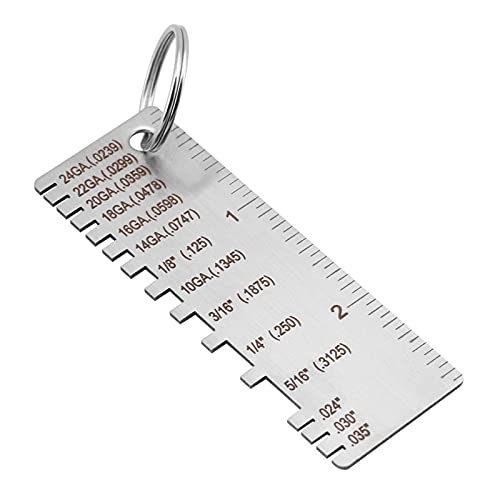
Kodrily Portable Metal Sheet Thickness Gauge Stainless Steel Plated Size Inspection Tool, Clarity Reading Metal Roof Welding Gauge for Wire Metal Sheet Thickness Tool 7.2 x 2.5 cm
- Wide Measuring Range: Supports various metal gauges and sizes
- Clear Engraved Scale: Easy to read and durable scale markings
- Stainless Steel Construction: Sturdy, corrosion-resistant, long-lasting
As an affiliate, we earn on qualifying purchases.
As an affiliate, we earn on qualifying purchases.
Conclusion
So, remember, tolerances aren’t just technical details—they’re the difference between perfection and problems, between success and setbacks. Pay close attention to them from the start, double-check your measurements, and communicate clearly with your team. Because, in fabrication, precision matters, consistency counts, and small adjustments make a big difference. Embrace the importance of tolerances, and you’ll build better, stronger, and more reliable projects—every time.
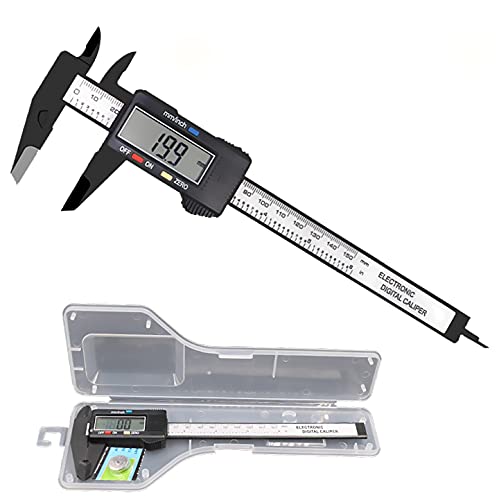
Simhevn Electronic Digital Calipers, inch and Millimeter Conversion,LCD Screen displays 0-6" Caliper Measuring Tool, Automatic Shutdown, Suitable for DIY/Jewelry Measurement (New150mm Black Plastic)
- Multiple Measurement Modes: Inner, outer, depth, and step measurements
- Safe Plastic Pins: No short circuit risk during measurement
- Precise Measurement Range: 0-6 inches / 0-150mm with ±0.2mm accuracy
As an affiliate, we earn on qualifying purchases.
As an affiliate, we earn on qualifying purchases.

Accusize Industrial Tools – 190 Pc Precision Minus Class ZZ Pin Gauge Set, 0.061" to 0.250", 2" Length, Heat Treated, 60-62 RC, with Aluminum Case, M1(-) A
- Wide Range of Sizes: 190-piece set from 0.061" to 0.250"
- Easy Identification: Size etched on each pin
- High Precision Pins: Centerless lapped with 10 micro finish
As an affiliate, we earn on qualifying purchases.
As an affiliate, we earn on qualifying purchases.