
Alignment problems cost you more than material waste because they cause delays, increased energy use, and higher maintenance costs. Misaligned machinery reduces efficiency and causes downtime, which affects your entire production process. The hidden expenses—like rework, scrap, and quality issues—add up quickly and hurt your profit margins. Proper alignment guarantees smoother operations and better quality, saving you money in the long run. Stick around to understand how addressing alignment can boost your bottom line.
Key Takeaways
- Alignment issues cause equipment inefficiency, increasing energy and maintenance costs beyond just material waste.
- Poor alignment leads to downtime and reduced throughput, escalating operational expenses over time.
- Misalignment compromises product quality, resulting in rework, scrap, and customer dissatisfaction.
- Hidden costs such as troubleshooting and re-calibration add to overall expenses, surpassing material waste costs.
- Proper alignment improves reliability and efficiency, yielding long-term savings and operational stability.
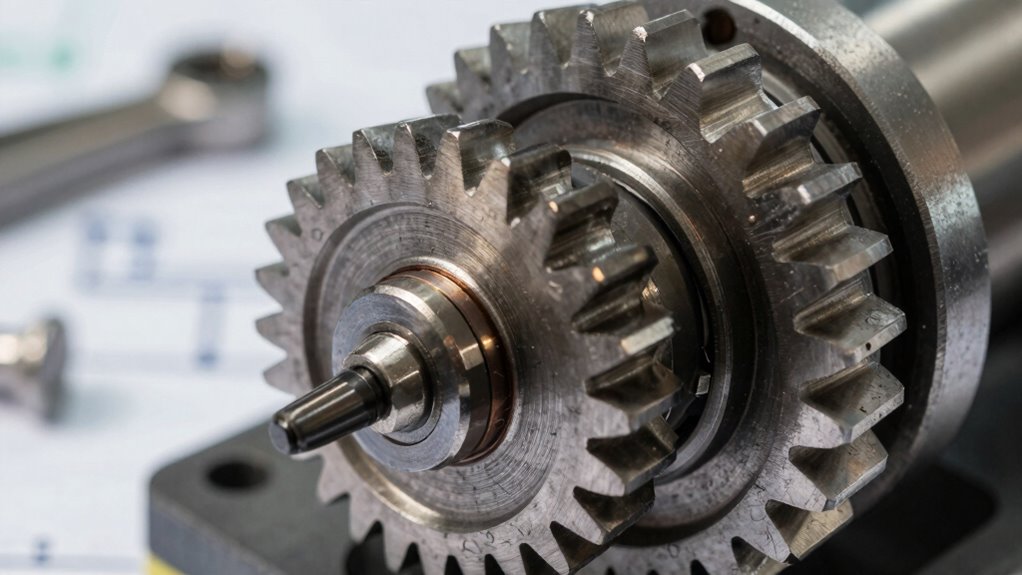
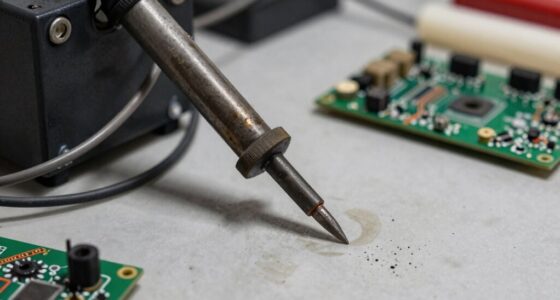
Have you ever considered how alignment problems in manufacturing cost more than just wasted material? When equipment isn’t properly aligned, the ripple effects extend far beyond the immediate waste of raw materials. These issues directly impact automation efficiency, slowing down production lines and forcing operators to spend extra time troubleshooting. Misaligned machinery doesn’t operate smoothly; it causes delays, increases energy consumption, and puts strain on components. Over time, this inefficiency leads to higher operational costs and reduces overall productivity. You might think fixing material waste is enough, but the real costs are hidden in the downtime and reduced throughput caused by poor alignment.
Misaligned equipment increases costs through delays, energy waste, and reduced productivity beyond just material waste.
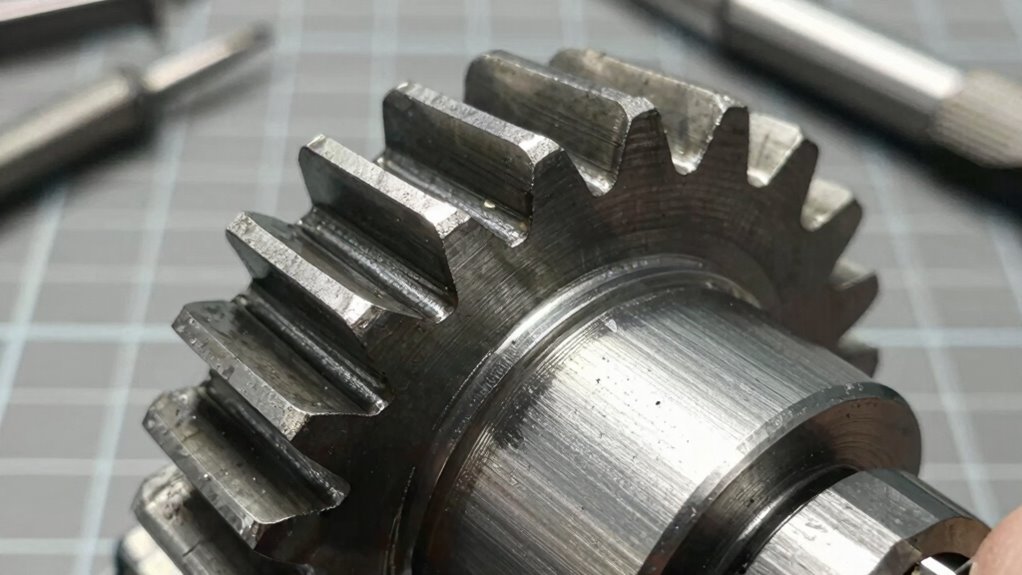
More importantly, alignment problems threaten quality assurance. Even minor misalignments can result in products that don’t meet specifications, leading to defective batches. When parts aren’t aligned correctly, the precision of assembly or machining processes suffers, which increases the risk of defects slipping through quality checks. This not only jeopardizes your reputation but also results in costly rework, scrap, and customer dissatisfaction. The time and effort spent on correcting these issues add up quickly, eroding profit margins. You might save money on materials, but if the final product isn’t up to standard, the overall cost of poor alignment becomes considerably higher.
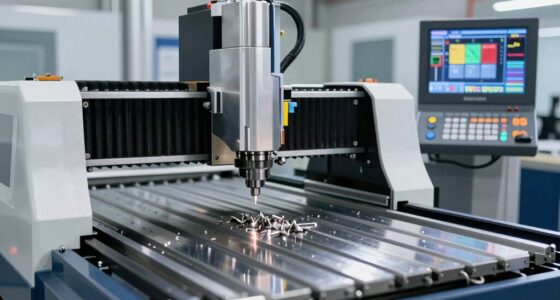
Addressing alignment problems early on can dramatically improve automation efficiency. When machinery is precisely aligned, you minimize unexpected downtimes and maintenance needs. Automation runs more smoothly, with fewer stoppages, which boosts throughput and reduces labor costs. Proper alignment ensures your systems perform as intended, making the most of your investment in automated solutions. Better automation efficiency translates into faster production cycles, higher output, and consistent product quality. It’s a proactive approach that not only saves money but also enhances your overall operational effectiveness. Additionally, regular equipment calibration can help maintain optimal alignment over time, preventing issues before they escalate.
Furthermore, maintaining good alignment practices supports robust quality assurance processes. When machines operate correctly, the likelihood of producing defective items drops markedly. This means fewer rejects, less rework, and a more reliable supply chain. With fewer quality issues, you spend less time inspecting and fixing problems, freeing up resources for innovation or expansion. Consistent quality also builds trust with your customers, reinforcing your brand’s reputation for reliability. Ultimately, solving alignment problems isn’t just about avoiding wasted material — it’s about optimizing the entire manufacturing process, boosting efficiency, and ensuring high-quality output every time.
As an affiliate, we earn on qualifying purchases.
Frequently Asked Questions
How Do Alignment Issues Affect Employee Productivity?
Alignment issues disrupt your employee productivity by creating team dynamics problems and communication barriers. When your team isn’t aligned, misunderstandings grow, leading to mistakes and delays. This misalignment hampers collaboration, lowers morale, and reduces efficiency. You’ll find that resolving these issues quickly improves communication, boosts teamwork, and increases output. Addressing alignment problems guarantees your team works smoothly together, maximizing productivity and minimizing costly errors or rework.
What Industries Are Most Impacted by Alignment Problems?
You’ll find industries like manufacturing, aerospace, and healthcare most impacted by alignment problems. In these sectors, misaligned supply chains cause delays, increased costs, and poor quality. Equipment calibration issues lead to errors and inefficiencies, amplifying costs. When processes aren’t aligned properly, you face higher expenses and reduced output. Addressing alignment issues early helps save money, improve quality, and keep your operations running smoothly.
Can Alignment Problems Be Prevented Through Training?
Yes, alignment problems can be prevented through effective training. You’ll want to focus on training effectiveness by educating your team on proper procedures and the importance of alignment. Implement preventative measures like routine checks and clear standards to catch issues early. Well-trained staff are more aware of potential misalignments, reducing costly errors and downtime. Consistent training ensures everyone understands their role in maintaining alignment, ultimately saving your organization money and improving efficiency.
How Do Alignment Problems Influence Customer Satisfaction?
Alignment problems shake customer perceptions and threaten service consistency, leaving them feeling uncertain about your brand. When your team struggles to deliver uniform quality, customers notice. This inconsistency erodes trust, diminishes satisfaction, and can drive them away. You might think material waste is the bigger issue, but misalignment impacts how customers view your entire operation, making it harder to build loyalty and long-term relationships. It’s a hidden cost you can’t afford to ignore.
What Are Early Signs of an Alignment Issue?
You’ll notice early signs of an alignment issue through subtle equipment calibration inconsistencies or production variances. When leadership clarity isn’t maintained, teams may struggle to follow processes accurately, leading to misalignment. Pay attention to increased defect rates, irregularities in output, or delayed timelines, as these often indicate underlying alignment problems. Addressing these signs early helps prevent costly errors and keeps operations running smoothly.
precision laser alignment equipment
As an affiliate, we earn on qualifying purchases.
As an affiliate, we earn on qualifying purchases.
Conclusion
Think of your production line like a finely tuned orchestra. When alignment falters, the entire symphony suffers—delays, rework, and lost revenue—much more costly than the raw materials wasted. I once saw a factory invest heavily in material reduction, only to overlook alignment issues that caused frequent machine breakdowns. Addressing alignment early isn’t just maintenance; it’s ensuring your orchestra plays in harmony, saving you more in the long run than any scrap of material ever could.
industrial equipment calibration kit
As an affiliate, we earn on qualifying purchases.
As an affiliate, we earn on qualifying purchases.
As an affiliate, we earn on qualifying purchases.