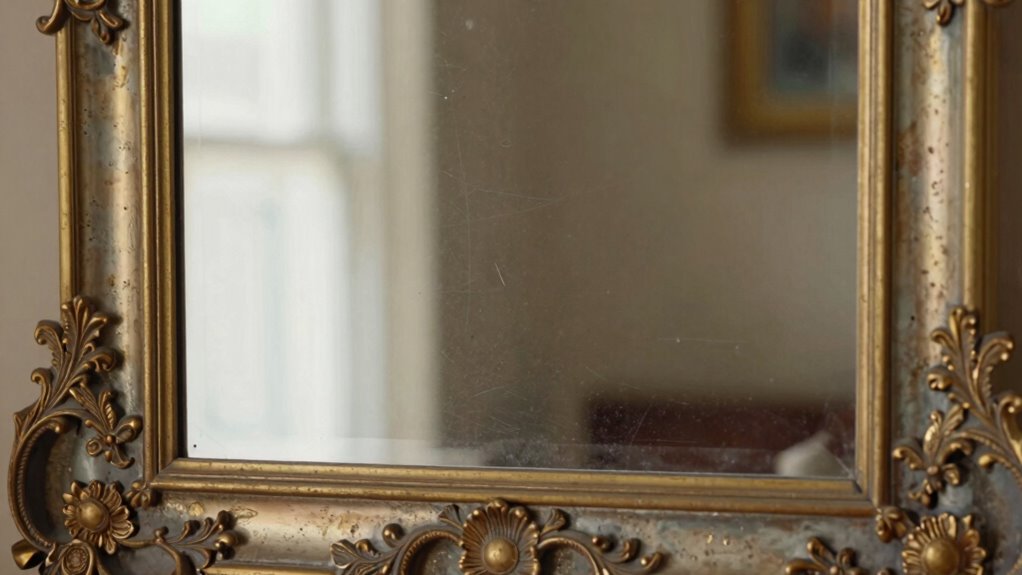

When symmetry fails, you find beauty in imperfection that feels more authentic and engaging. Embracing irregularities adds character, evokes emotions, and makes designs stand out. Nature’s irregular forms serve practical functions and inspire resilient, sustainable solutions. Incorporating asymmetry can improve comfort, airflow, and support, highlighting the value of imperfection in innovation. To see how embracing flaws enhances your creations and deepens your understanding, explore further.
Key Takeaways
- Imperfections add character and authenticity, making designs more relatable and emotionally engaging.
- Asymmetry enhances functionality by improving comfort, airflow, lighting, and structural resilience.
- Embracing irregularities stimulates innovation, encouraging sustainable and adaptive design solutions.
- Nature’s irregularities demonstrate that imperfections serve specific, purposeful functions in design.
- Perfect symmetry can be sterile; intentional imperfections create memorable, lively, and unique experiences.
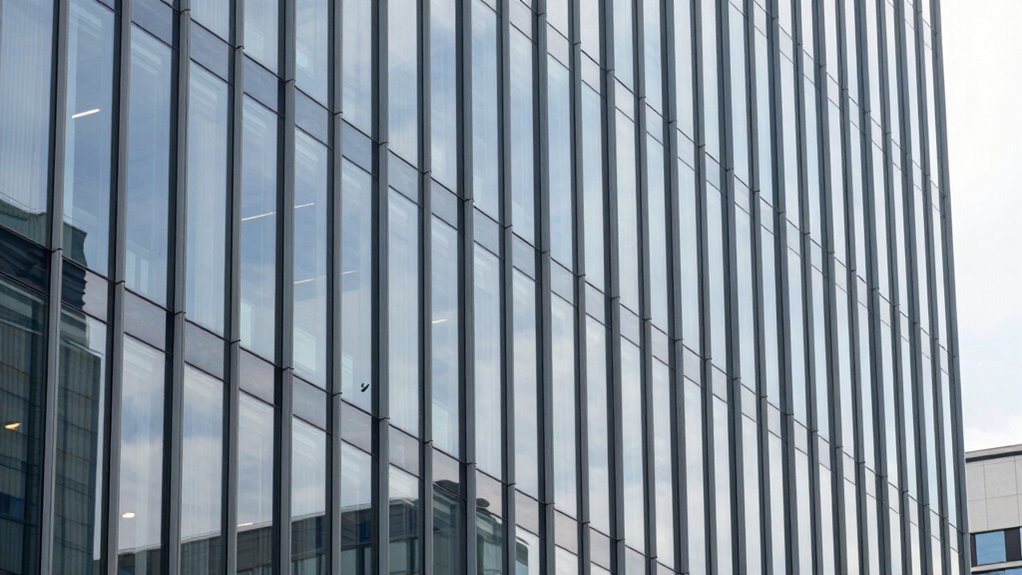
While symmetry often symbolizes balance and perfection, embracing imperfection can reveal unexpected beauty and functionality in design. Instead of aspiring for flawless mirroring, you might find that incorporating aesthetic asymmetry creates a more authentic, engaging experience. This approach aligns with biomimicry principles, where nature’s designs often embrace irregularities that serve functional purposes. For example, the uneven edges of a leaf or the asymmetrical wings of a butterfly are not flaws but adaptations that enhance survival. When you apply these biological insights, your design can become more resilient, efficient, and visually compelling. Recognizing biomimicry principles in design encourages a deeper appreciation for nature’s adaptive irregularities. Moreover, understanding how nature’s irregularities serve specific functions can inspire innovative solutions that improve overall performance. Embracing imperfection can also lead to more sustainable practices, as these designs often utilize less material and energy, aligning with eco-friendly goals. Additionally, this perspective can help foster a mindset of continuous improvement, where imperfections are seen as opportunities for growth rather than flaws.
Aesthetic asymmetry challenges the traditional notion that perfection equals beauty. You’ll notice that objects and structures with subtle irregularities often draw more attention and evoke stronger emotional responses. Think of a handcrafted ceramic vase with uneven glaze drips or a building with an intentionally irregular façade. These imperfections add character and authenticity, making the design feel more alive and relatable. By viewing asymmetry through the lens of biomimicry principles, you recognize that nature’s irregularities are purposeful, not accidental, and often contribute to better performance or sustainability. Incorporating aesthetic irregularities can also encourage a more mindful and personalized approach to design, fostering a deeper connection between the creator and the observer. Understanding this relationship can lead to more innovative and emotionally resonant designs that stand out in a crowded market.
Incorporating imperfection doesn’t mean abandoning structure or coherence. Instead, it encourages you to think critically about what makes a design truly effective. A perfectly symmetrical chair might look balanced, but an asymmetrical one can offer better comfort or support by conforming more naturally to the human body. Similarly, in architecture, breaking away from symmetry can improve airflow, light distribution, or acoustics. These benefits highlight how embracing imperfection isn’t just an aesthetic choice but a strategic one rooted in functional advantages. Recognizing design resilience through imperfection can lead to innovations that withstand real-world challenges and conditions. This mindset can also help reduce material waste and increase the lifespan of a product or structure, aligning with sustainable development goals. Exploring structural adaptability in design emphasizes the importance of flexibility and robustness in creating long-lasting solutions.
You’ll find that embracing aesthetic asymmetry also fosters innovation. When you’re not bound by rigid symmetry, you open yourself to creative solutions that reflect real-world complexity. This mindset allows you to experiment with materials, forms, and proportions, often leading to unique, memorable designs. By applying biomimicry principles, you realize that nature’s irregularities aren’t flaws but adaptations that enhance survival and efficiency. In your work, this perspective can help you craft designs that are not only beautiful but also sustainable and resilient, proving that sometimes, imperfection is precisely what makes something exceptional.

Flower Vase-Handcrafted Ceramic with Smooth Green Glaze, Small Vase for Flowers w/Waterproof Interior and Anti-Slip Bottom, Vases Home Decor Shelf Decor Table Centerpieces
🌿𝑹𝒊𝒄𝒉 𝑬𝒎𝒆𝒓𝒂𝒍𝒅 𝑮𝒓𝒆𝒆𝒏 & 𝑻𝒊𝒎𝒆𝒍𝒆𝒔𝒔 𝑬𝒍𝒆𝒈𝒂𝒏𝒄𝒆:Crafted in a deep, lustrous emerald green glaze, this Ceramic Vase delivers a…
As an affiliate, we earn on qualifying purchases.
As an affiliate, we earn on qualifying purchases.
Frequently Asked Questions
How Does Imperfection Influence User Perception of Design Quality?
Imperfection can positively influence your perception of design quality by enhancing perceived authenticity, making it feel more genuine and relatable. It also boosts emotional appeal, creating a sense of uniqueness and charm that perfectly symmetrical designs might lack. When you notice slight imperfections, you often see the design as more human and heartfelt, which deepens your connection and appreciation, ultimately elevating your overall perception of its quality.
Can Asymmetry Enhance Functionality in Certain Design Contexts?
Yes, asymmetry can enhance functionality in certain designs by creating an organic balance that guides your eye smoothly. Instead of static symmetry, the visual tension generated by asymmetrical elements can direct your attention where needed, improving user interaction. This dynamic approach often results in a more intuitive experience, making the design feel natural and engaging. Embracing imperfection here boosts both aesthetic appeal and practical usability.
Are There Cultural Preferences for Symmetry Versus Asymmetry?
You’ll notice that cultural aesthetics often influence preferences for symmetry versus asymmetry. In some cultures, symmetry symbolizes harmony and balance, making it highly valued in design. Conversely, others appreciate asymmetry for its uniqueness and dynamic appeal. Symmetry symbolism can evoke feelings of stability, while embracing asymmetry showcases creativity and imperfection. Your design choices should reflect these cultural nuances, blending aesthetics and symbolism to resonate deeply with your audience.
How Do Designers Balance Imperfection With Brand Consistency?
Think of your brand as a tapestry woven with threads of authentic authenticity and organic originality. To balance imperfection with consistency, you blend deliberate asymmetry into your design, ensuring it remains true to your identity. You embrace subtle variations that evoke genuine emotion, making your brand feel real and relatable. This harmonious balance fosters trust, highlighting your unique character while maintaining a cohesive look that resonates across all touchpoints.
What Are Examples of Famous Imperfect Designs That Succeeded?
You’ll find that famous imperfect designs, like the handcrafted aesthetics of the iPhone’s slightly uneven edges or organic textures in pottery, succeed because they evoke authenticity and warmth. These designs embrace imperfection, making products feel more personal and unique. By highlighting flaws or irregularities, creators tap into human emotion, creating a connection that resonates deeply, proving that perfection isn’t always the goal—sometimes, imperfection enhances appeal and authenticity.

FICTOR Irregular Asymmetrical Wall Mirror, 32" x 19" Modern Decorative Mirror for Entryway, Bathroom, Bedroom, Living Room, Dining Room
Mirror Measurement: Measuring 19 x 32 inches, this irregular wall mirror comes with hooks on the back for…
As an affiliate, we earn on qualifying purchases.
As an affiliate, we earn on qualifying purchases.
Conclusion
So, next time you’re tempted to seek perfect symmetry, remember that even da Vinci knew beauty often lies in imperfection. Embrace flaws as your secret weapon—like a well-worn leather journal—that adds character and depth. In this brave new world, your unique imperfections can transform your design from ordinary to extraordinary. Don’t be a square—let your creativity break free, for sometimes, a little chaos is what makes art truly timeless.

PERFNIQUE Irregular Wall Mirror Asymmetrical Mirror, 28''x17'' Decorative Modern Mirror for Bathroom Bedroom Living Room Entryway, Cloud Frameless, Wall Mounted (28''x17'', Cloud)
Asymmetrical Design: Our asymmetrical mirror features a unique irregular shape that adds a touch of elegance to any…
As an affiliate, we earn on qualifying purchases.
As an affiliate, we earn on qualifying purchases.
biomimicry inspired architectural decor
As an affiliate, we earn on qualifying purchases.
As an affiliate, we earn on qualifying purchases.