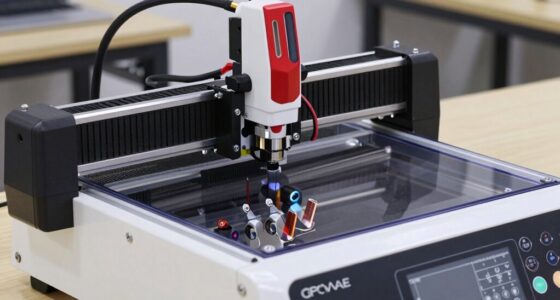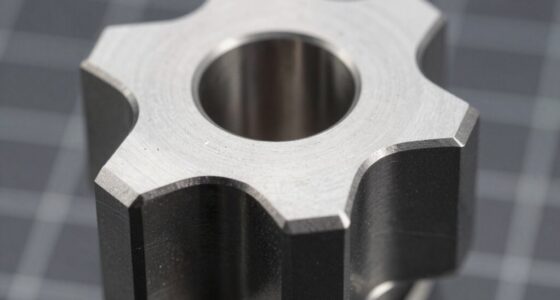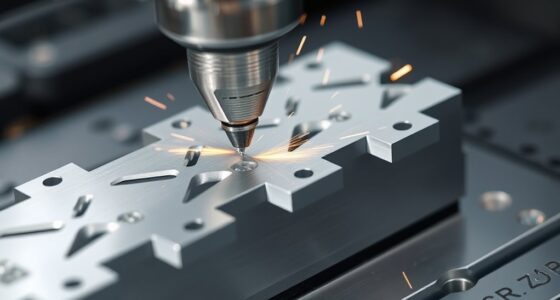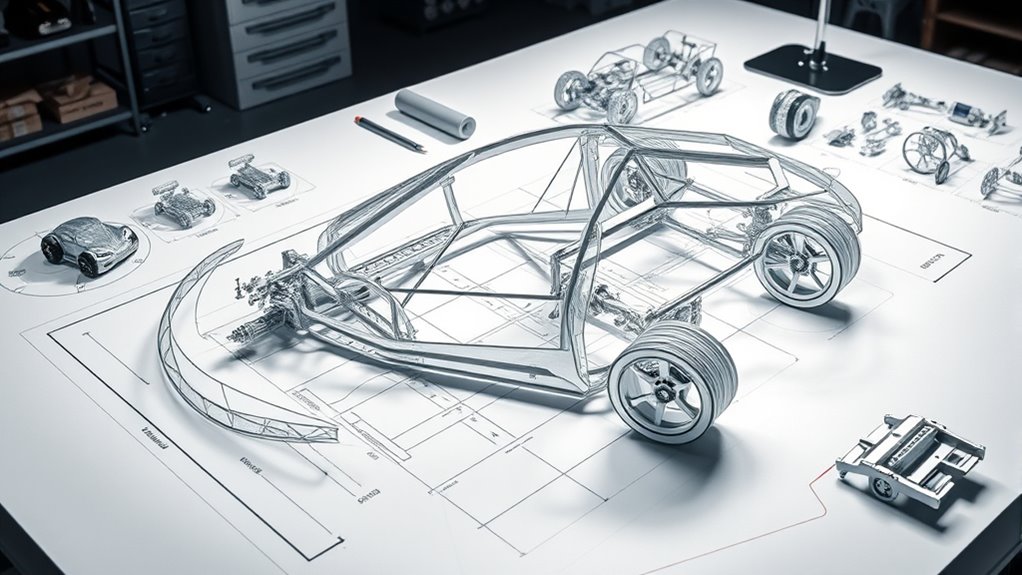

In automotive design, you see how geometry guides every step from blueprint to assembly. You use precise curves, angles, and proportions to create visually appealing models that are also structurally sound. Geometry guarantees parts fit perfectly and meet safety standards, enhancing safety and durability. From initial sketches to manufacturing, understanding geometric principles helps balance aesthetics and functionality. Keep exploring, and you’ll discover how these measurements shape the vehicles you see every day.

Prime made for students and young adults
- Fast, free delivery for dorm and study essentials
- Prime Video and Amazon Music included
- Member-only deals
Key Takeaways
- Geometric principles guide initial sketches, CAD models, and design refinement for aesthetic and structural accuracy.
- Precise geometry ensures proper fitting, alignment, and seamless integration of vehicle components during manufacturing.
- Structural geometry balances rigidity and flexibility, optimizing safety, durability, and load distribution.
- Accurate geometric calculations are essential for meeting safety standards and maintaining vehicle integrity in crashes.
- Geometry influences surface reflections and proportions, shaping the vehicle’s visual appeal from all angles.

Geometry plays a crucial role in shaping the look, aerodynamics, and safety of modern vehicles. When designing a car, every curve, line, and angle has a purpose, whether it’s to enhance visual appeal or improve performance. At the core of this process is understanding how aesthetic proportions influence a vehicle’s appearance. You’ll find that balanced proportions, such as the relationship between the hood, cabin, and rear, create a sense of harmony that makes a vehicle attractive and inviting. These proportions aren’t just about beauty—they also guide the overall shape, influencing how light reflects off the surface and how the vehicle is perceived from different angles. Properly integrated aesthetic proportions ensure the design looks cohesive from every viewpoint, reinforcing brand identity and consumer appeal.
But aesthetics aren’t the only concern. Structural integrity is equally essential, and geometry is the backbone of a safe, durable vehicle. You need to think about how the structure absorbs and distributes forces during a collision, which depends on precise geometric relationships between components. For example, the chassis must be rigid enough to withstand stresses without deforming, yet flexible enough to absorb impact energy. Achieving this balance requires meticulous geometric calculations and placements, ensuring all parts fit perfectly and work together seamlessly. When you consider the geometry of load paths and reinforcement points, you’re directly influencing the vehicle’s safety performance. A well-designed geometric framework protects occupants by maintaining the integrity of the passenger compartment during crashes, all while keeping weight manageable.
From initial sketches to detailed CAD models, you’ll use geometry as a guiding principle. It helps you refine the shape and structure, making sure every line and curve contributes to both aesthetic appeal and safety. During the shift from blueprint to production, geometric principles ensure that parts align correctly, fit together with precision, and meet strict safety standards. This process involves complex calculations, simulations, and adjustments, but it’s all rooted in understanding the geometric relationships that underpin the vehicle’s form and function. When manufacturing begins, the importance of precise geometry becomes even clearer, as deviations can compromise both the vehicle’s look and its structural integrity. Additionally, understanding the importance of high contrast ratios can significantly enhance the visibility of design details in various lighting conditions, ensuring both aesthetic appeal and safety are maintained.
In essence, geometry in automotive design isn’t just about making a car look good—it’s about creating a safe, efficient, and harmonious machine. By mastering the balance between aesthetic proportions and structural integrity, you shape vehicles that are not only visually striking but also reliable and secure for those who drive them.
As an affiliate, we earn on qualifying purchases.
Frequently Asked Questions
How Does Geometry Influence Aerodynamics in Car Design?
Geometry influences aerodynamics by shaping the car’s surface curvature, which affects airflow and reduces drag. During wind tunnel testing, you see how precise geometry minimizes turbulence and improves stability. By optimizing the car’s form, you guarantee smooth air movement over surfaces, enhancing efficiency and performance. Accurate geometry design is essential, as even small changes can greatly impact aerodynamic performance, making your vehicle more streamlined and fuel-efficient.
What Software Tools Are Essential for Automotive Geometric Modeling?
You’re on the right track when you use CAD software and 3D modeling tools for automotive geometric modeling. Essential programs like SolidWorks, CATIA, and Autodesk Alias help you create precise, detailed designs from blueprints to final assembly. These tools are the bread and butter of automotive design, making complex shapes manageable and ensuring seamless integration of every part. Don’t put all your eggs in one basket—diversify your software arsenal for best results.
How Are Ergonomic Considerations Integrated Into Geometric Design?
You incorporate ergonomic considerations into geometric design by focusing on ergonomic comfort and optimizing the interior layout. You analyze human factors to guarantee controls, seats, and displays are accessible and comfortable. Using digital tools, you simulate various body types and postures to refine the interior geometry. This integration ensures the vehicle offers a user-friendly experience, enhances safety, and meets consumer expectations for comfort and functionality.
What Challenges Arise When Translating Blueprints Into 3D Models?
When translating blueprints into 3D models, you face challenges like material constraints, which limit design choices, and the need for multiple design iterations to perfect the geometry. You must balance aesthetic and functional requirements while adapting detailed 2D plans into accurate 3D representations. This process demands careful adjustment and problem-solving to make certain the final model aligns with manufacturing capabilities and design intent.
How Does Geometric Precision Affect Manufacturing Tolerances?
You might think small geometric inaccuracies don’t matter, but they considerably impact manufacturing accuracy and tolerance management. Precise geometry ensures parts fit perfectly, reducing defects and rework. When you maintain tight tolerances, you streamline assembly and improve overall quality. Ignoring geometric precision can lead to costly delays and compromised safety. So, always prioritize accurate measurements and detailed models to keep manufacturing tolerances in check and ensure smooth production processes.
As an affiliate, we earn on qualifying purchases.
Conclusion
You now see how essential geometry is in automotive design, guiding everything from initial blueprints to final assembly. Did you know that nearly 60% of vehicle weight comes from the geometry of parts and structures? This shows just how critical precise measurements and calculations are to create safe, efficient, and stylish cars. So next time you admire a sleek car, remember the intricate geometric planning that brought it to life from concept to reality.
vehicle alignment and measurement tools
As an affiliate, we earn on qualifying purchases.
As an affiliate, we earn on qualifying purchases.
automotive safety testing equipment
As an affiliate, we earn on qualifying purchases.
As an affiliate, we earn on qualifying purchases.
Halloween Picks
halloween
As an affiliate, we earn on qualifying purchases.