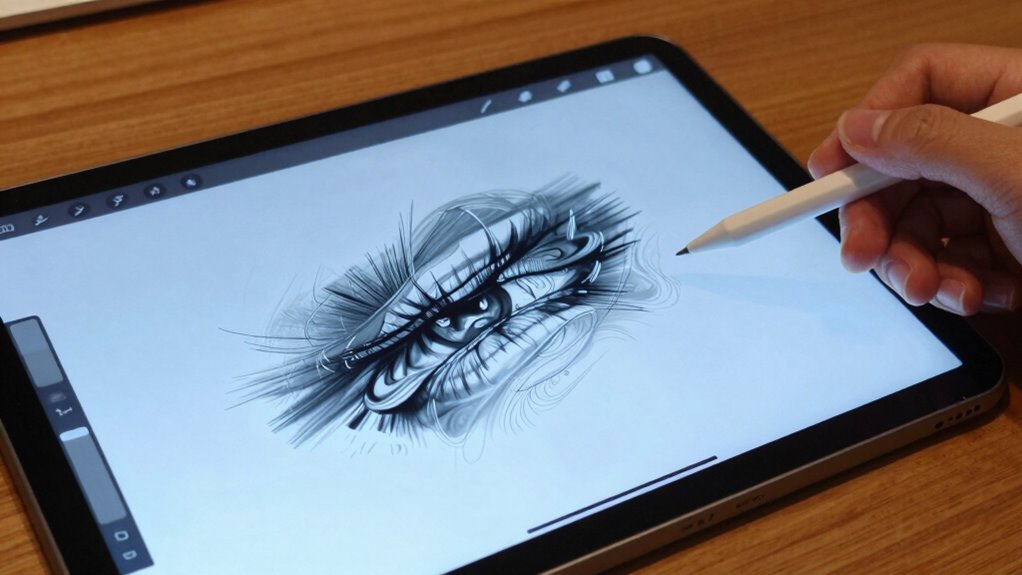

Pen display tablets combine screens and styluses to let you draw directly on the device, mimicking traditional media. Screen size affects your workspace, with larger screens offering more detail and comfort, while parallax can cause offset issues if not properly calibrated. Pressure levels determine how nuanced your lines are, with higher sensitivity providing finer control. To make the best choice, consider resolution, color accuracy, and connectivity—if you want to master these factors, keep exploring further.

Prime made for students and young adults
- Fast, free delivery for dorm and study essentials
- Prime Video and Amazon Music included
- Member-only deals
Key Takeaways
- Screen size affects workspace comfort, detail visibility, and ergonomic positioning during digital art creation.
- Parallax is the offset between the stylus and on-screen strokes, impacting drawing accuracy and control.
- Larger screens typically reduce parallax effects, offering more precise and natural drawing experiences.
- Pressure levels (e.g., 2048, 8192, 16,384) determine sensitivity, influencing line variation and shading control.
- Calibration and viewing angles are essential for maintaining color accuracy and minimizing visual distortions.
As an affiliate, we earn on qualifying purchases.
What Are Pen Display Tablets and How Do They Work?
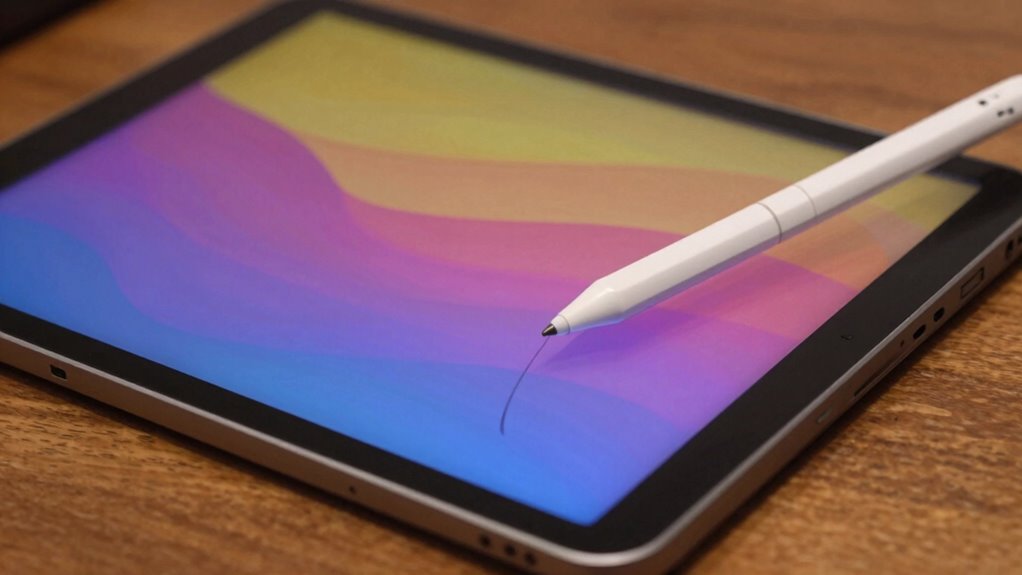
Pen display tablets are versatile devices that combine a digital screen with a stylus, allowing you to draw, sketch, and edit directly on the surface. They use digital ink technology to replicate the look and feel of traditional media, giving your work a natural, fluid appearance. The stylus interacts with the screen through advanced stylus technology, which detects pressure, tilt, and orientation. This creates a responsive experience, so your lines vary in thickness and opacity based on how hard you press. When you draw or write, the tablet translates your movements into digital signals, displaying them instantly on the screen. This seamless process enables precise control, making pen display tablets ideal for artists, designers, and illustrators seeking a natural drawing experience in a digital format. Additionally, modern pen display tablets often incorporate energy-efficient components, aligning with sustainable technology principles, which can also contribute to smart home energy management by reducing power consumption.
high pressure sensitivity drawing tablet
As an affiliate, we earn on qualifying purchases.
As an affiliate, we earn on qualifying purchases.
Why Does Screen Size Matter When Choosing a Drawing Tablet?
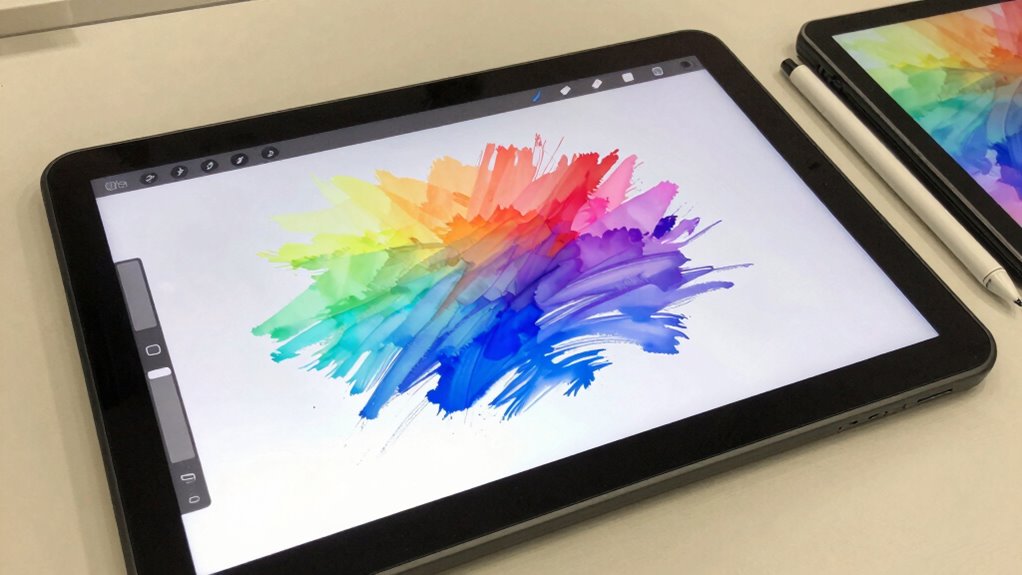
Your choice of screen size impacts how comfortably you can work and see details clearly. A larger display offers more workspace and better visibility for intricate designs, while a smaller screen might feel cramped. Consider your workflow and how you prefer to hold and move your pen to find the best fit. Additionally, understanding screen resolution can help ensure your workspace is optimized for clarity and detail. Being aware of color accuracy can also enhance your experience by providing more true-to-life visuals. Furthermore, pen pressure sensitivity plays a crucial role in achieving natural and precise drawing results, making it an important factor to consider. Knowing about wiring basics can also assist in customizing and maintaining your drawing setup for optimal performance, especially when considering different connection types and their impact on performance.
Workspace Flexibility Needs
Choosing the right screen size for a drawing tablet directly impacts your workspace flexibility. A larger screen offers more room to work comfortably, making it easier to manage complex projects or detailed artwork without feeling cramped. If you value ergonomic design, a bigger display can reduce strain by allowing natural hand movements and better posture. Additionally, Free Floating technology in some tablets allows for more versatile positioning and usage, enhancing comfort and workflow. To optimize your setup, consider UST projector rankings and how they can complement larger screens for a more immersive creative environment. Proper screen resolution also plays a significant role in ensuring your artwork appears clear and detailed, further improving your workflow. When selecting a device, paying attention to balanced designs can help you achieve a harmonious workspace that promotes efficiency. It’s also essential to recognize how personal workspace influences your choice, as a well-organized environment can boost your creative productivity. However, consider portability considerations—smaller tablets are lighter and easier to carry, ideal for artists who work on the go or have limited desk space. Your workflow and environment influence this choice; a versatile workspace benefits from a balance between size and mobility. Ultimately, selecting a screen size that matches your needs ensures you can work efficiently and comfortably, whether at a stationary desk or on the move.
Detail Visibility Importance
A larger screen size directly enhances how well you can see the details of your artwork. With more screen real estate, you can work on finer lines, subtle shading, and intricate textures without constantly zooming in and out. This improves your accuracy and helps maintain your artistic flow. Additionally, a bigger display often offers better color calibration, ensuring your colors are true to life and consistent across projects. An ergonomic design also benefits from a larger screen, reducing eye strain and allowing you to view your work comfortably for longer periods. Overall, increased screen size boosts your ability to see and refine details, making your creative process more precise, enjoyable, and professional. Moreover, a larger display can contribute to a more intuitive user experience, helping you focus on your art rather than technical adjustments. When choosing a drawing tablet, considering screen size is crucial for achieving the optimal balance between workspace and portability, especially when accounting for parallax and pressure sensitivity levels. Recognizing how visual clarity impacts your work can help you select a device that enhances your artistic precision and comfort. Additionally, understanding the importance of quality assessment can guide you in selecting a device that meets your specific artistic needs.
Comfort During Use
A larger screen size can substantially enhance your comfort during extended drawing sessions by reducing eye strain and providing a more natural viewing experience. When your workspace aligns with your ergonomic posture, you’re less likely to develop discomfort or fatigue. A bigger display allows you to see more detail without zooming or constant repositioning, which helps maintain wrist comfort and reduces repetitive strain. It also encourages better arm positioning, preventing awkward angles that can cause pain over time. With more space, you can work more intuitively, keeping your hand movements smooth and natural. Incorporating ergonomic principles into your setup can further support your ergonomic health and streamline your workflow. Additionally, a larger screen can promote better visual comfort, decreasing the likelihood of fatigue during long creative sessions. Choosing a screen size that accommodates your personal workflow preferences can make a significant difference in overall comfort and productivity. Moreover, a bigger display can help you detect fine details, improving your overall precision and accuracy. Ultimately, choosing a bigger screen helps you stay comfortable longer, making your creative process more enjoyable and less physically taxing.
drawing tablet with large screen
As an affiliate, we earn on qualifying purchases.
As an affiliate, we earn on qualifying purchases.
How Does Parallax Affect Your Digital Art Precision?
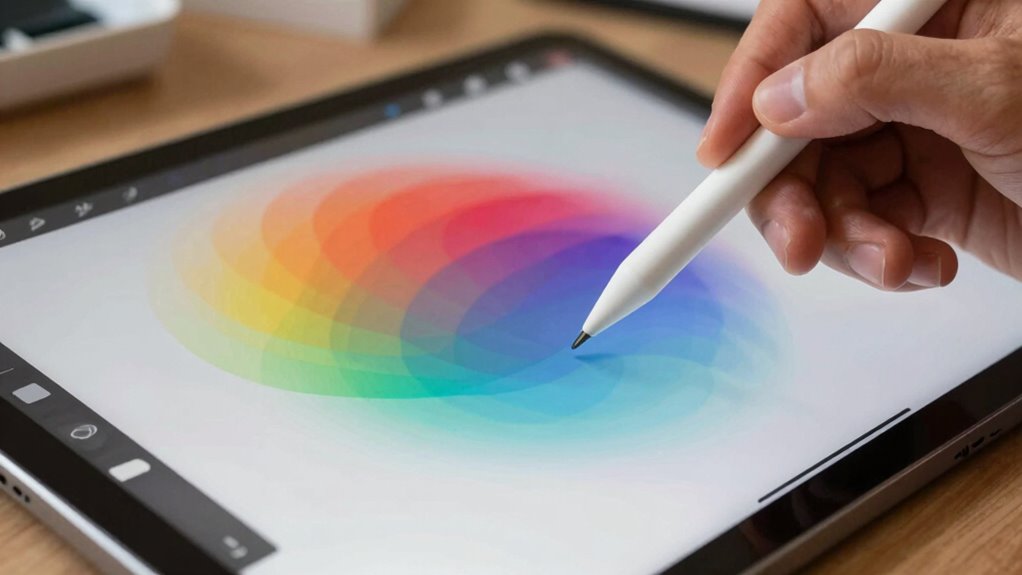
Parallax occurs when the screen layers aren’t perfectly aligned, causing your brush strokes to appear offset. Your viewing angle can exaggerate this misalignment, making precision harder to achieve. Understanding how digital layers mimic physical depth helps you adjust your technique for more accurate results. Recognizing and detecting passive voice in your writing can also improve clarity and engagement. Additionally, awareness of juicing techniques can enhance your digital artistry by promoting smoother strokes and better control.
Screen Layer Alignment
When the screen layer isn’t perfectly aligned with the display surface, it creates a gap known as parallax, which can considerably affect your digital art accuracy. Proper layer alignment ensures that your stylus movements match what you see on the screen, making your work more precise. If the layer isn’t calibrated correctly, your strokes may appear offset, leading to frustration and reduced control. Regular screen calibration helps maintain ideal layer alignment, minimizing the parallax effect. Many tablets allow manual adjustments to fine-tune this alignment, so take the time to set it up correctly. When your screen layer is well-aligned, your digital art becomes more natural and responsive, improving your overall workflow and reducing errors caused by miscommunication between your stylus and the display. Additionally, understanding how screen components interact can help you troubleshoot and optimize your device for maximum accuracy.
Viewing Angle Effects
Have you noticed how your digital strokes sometimes appear misaligned or distorted depending on your viewing angle? This is due to the viewing angle effect, which influences how the display’s image is perceived. As you tilt the tablet, the colors may shift slightly, causing a subtle color shift that impacts your perception of accuracy. A narrow viewing angle can make it difficult to see fine details or gauge color fidelity, leading to inaccuracies in your work. This distortion can hinder your ability to precisely judge strokes, especially when working from different positions. To minimize these issues, opt for tablets with wider viewing angles. This ensures consistent image quality and color accuracy, helping you maintain precise control over your digital art regardless of your viewing position.
Digital vs. Physical Depth
Ever wonder how the perceived depth on your screen compares to real-world objects? Parallax creates a gap between digital layering and physical depth, impacting your drawing accuracy. This difference can make it feel like your lines aren’t perfectly aligned with your intentions. To understand this better:
- Parallax causes a shift in perceived depth between the stylus and the display surface.
- Digital layering can appear flatter, lacking the tactile cues of physical depth.
- Increased parallax can make precise control difficult, especially at lower screen angles.
- Minimizing parallax helps your digital depth perception match real-world physical depth, improving accuracy and confidence.
- Using vetted Mother Baby Kids products can ensure safety and quality, which is especially important when working on detailed digital illustrations for children’s items.
pen display tablet for digital art
As an affiliate, we earn on qualifying purchases.
As an affiliate, we earn on qualifying purchases.
What Are Pressure Levels and Why Are They Important for Artists?
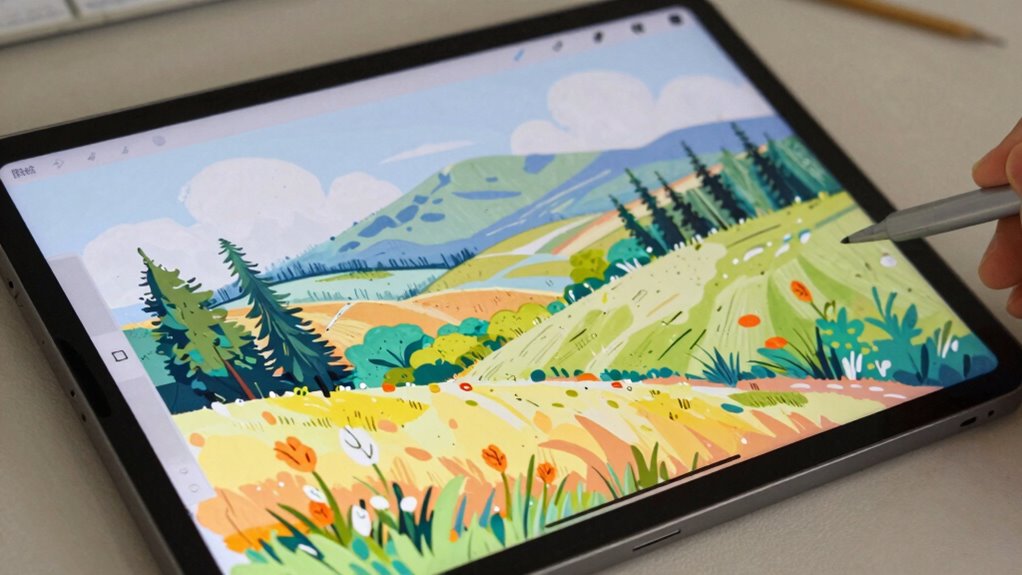
Pressure levels refer to the range of sensitivity a pen display tablet can detect from your stylus, directly affecting how your artwork appears on screen. Higher pressure sensitivity allows for more nuanced control over line thickness, shading, and detail, giving your drawings a natural feel. This is fundamental for artists seeking precise, expressive work. Be sure to check art software compatibility, as some tablets perform better with certain programs. Generally, tablets with more pressure levels offer finer control, but beyond a point, the difference becomes subtle. Here’s a quick comparison:
| Pressure Sensitivity | Art Software Compatibility | Cost Range |
|---|---|---|
| 2048 levels | Broad support | Budget-friendly |
| 8192 levels | Industry standard | Mid-range |
| 16,384 levels | Premium, highly sensitive | High-end |
| Customizable levels | Niche applications | Varies |
Understanding pressure levels helps you choose a tablet that best fits your artistic needs.
How to Evaluate Resolution, Color Accuracy, and Connectivity Options
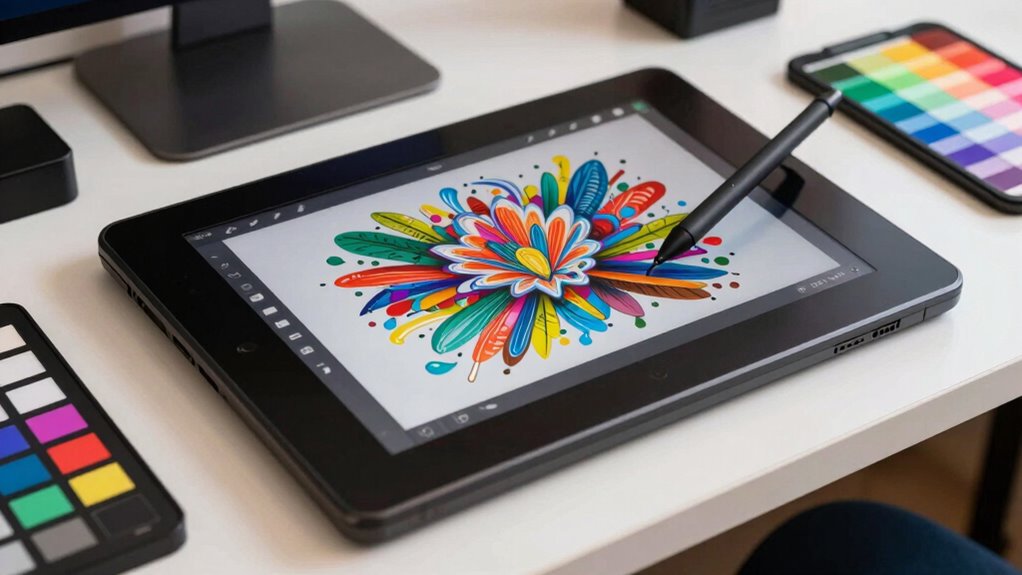
When choosing a pen display tablet, evaluating its resolution, color accuracy, and connectivity options guarantees it meets your artistic and practical needs. Start with resolution evaluation to ensure sharp, detailed images—look for a high pixel density and resolution that suits your workflow. Next, consider color calibration; a device with accurate color reproduction ensures your work looks consistent across screens and print. Connectivity options matter too—check for USB-C, HDMI, or wireless features that fit your setup. To deepen your assessment:
- Verify the resolution matches your detail requirements.
- Test color calibration accuracy with color charts or calibration tools.
- Ensure compatibility with your existing devices and software.
- Consider the tablet’s ports and wireless options for seamless workflow.
Tips for Picking the Right Pen Display Tablet for Your Creative Style
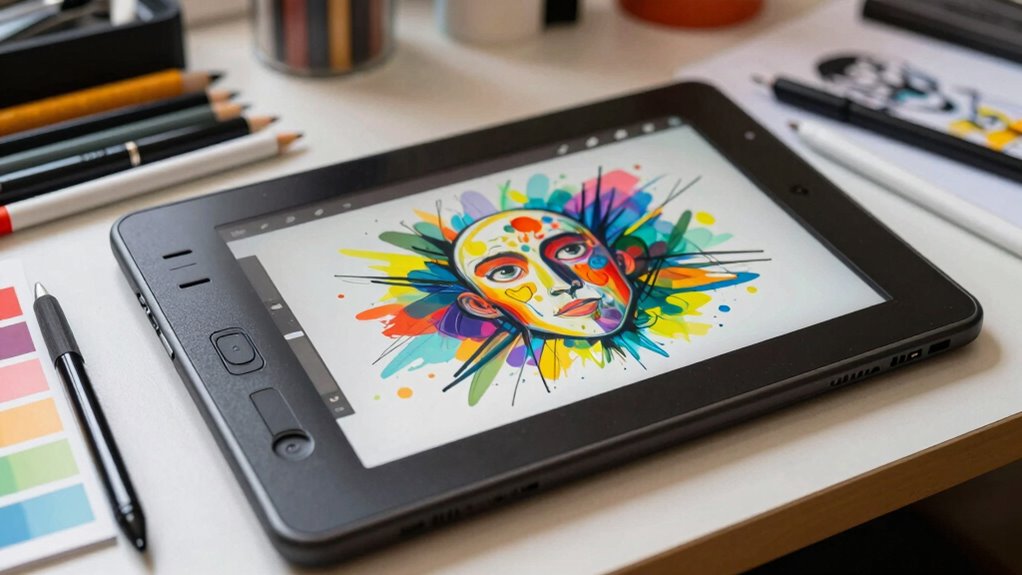
Choosing the right pen display tablet depends on aligning its features with your creative style. Consider digital pen ergonomics to guarantee comfort during long sessions, preventing fatigue and enhancing precision. Think about how the stylus feels in your hand—lightweight, balanced, and responsive to your movements. Stylus compatibility is also essential; verify whether the tablet supports your preferred stylus or offers one that fits your workflow. If you do detailed work, prioritize tablets with high pressure sensitivity and tilt recognition. For quick sketches, a smaller, portable device might suit you better. Matching these features with your creative process ensures smooth, natural drawing experiences. Ultimately, selecting a tablet that complements your style boosts productivity and enjoyment in your digital art journey.
Common Mistakes to Avoid When Buying a Pen Display Tablet
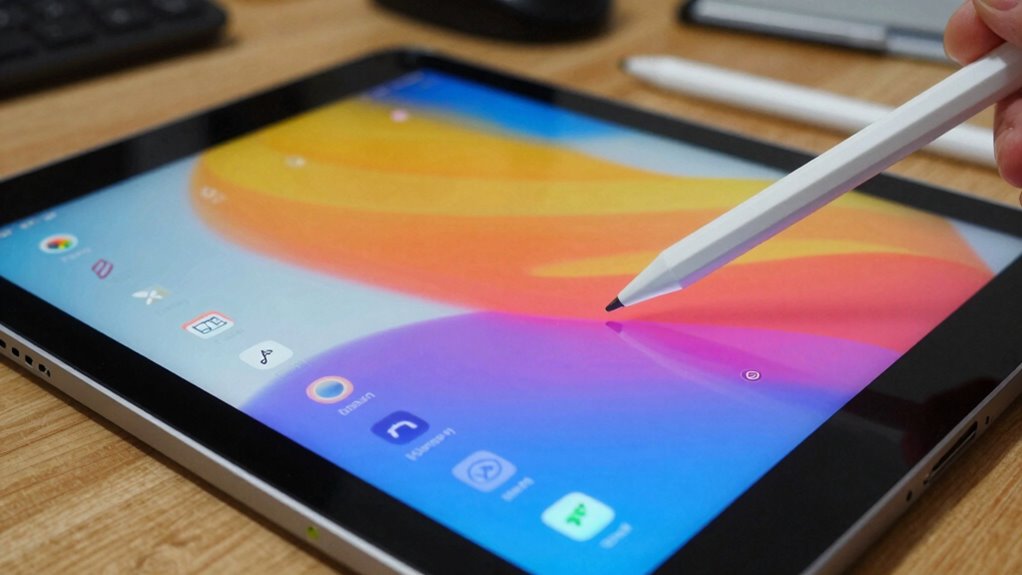
One common mistake to avoid is prioritizing features over your actual needs. Don’t get swayed by flashy specs without considering how the tablet fits your workflow. Here are key pitfalls to watch out for:
- Ignoring stylus ergonomics, which affects comfort during long sessions.
- Overlooking tablet durability, risking damage with regular use.
- Choosing a screen size that doesn’t match your workspace or portability needs.
- Focusing solely on pressure levels, neglecting how well the tablet responds to your drawing style.
Frequently Asked Questions
How Does the Battery Life of Pen Display Tablets Impact Workflow?
Your workflow can be disrupted if the battery durability of your pen display tablet is low, causing frequent interruptions for charging. Longer charging times mean less creative time, so choose a tablet with quick recharge features. A good battery life ensures you stay productive without constant recharging, allowing you to focus on your art or design projects. Prioritize devices with reliable battery performance to keep your workflow smooth and uninterrupted.
Can Pen Display Tablets Be Used for Tasks Other Than Digital Art?
Yes, you can use pen display tablets for tasks beyond digital art, like photo editing, graphic design, or note-taking. When doing so, consider hardware durability to guarantee it withstands frequent use and portability considerations if you move around often. These tablets are versatile tools that enhance productivity across various creative and professional tasks, making them valuable even outside traditional art applications.
What Are the Maintenance Requirements for Pen Display Tablets?
To keep your pen display tablet in top shape, regularly clean the screen with a soft, lint-free cloth to prevent dust buildup. Avoid harsh chemicals; use a slightly damp cloth instead. You should also monitor your stylus for wear and replace it when it becomes less responsive. Proper maintenance, including gentle tablet cleaning and timely stylus replacement, helps make sure smooth performance and extends your device’s lifespan.
How Do Software Compatibility Issues Affect Tablet Performance?
Did you know that 60% of tablet performance issues stem from software compatibility problems? When software updates aren’t compatible with your tablet’s drivers, it can cause lag, unresponsiveness, or crashes. To prevent this, you should regularly check driver compatibility and install updates promptly. Failing to do so can considerably reduce your tablet’s performance, making your creative work frustrating and inefficient. Staying current ensures smooth, reliable operation.
Are There Ergonomic Features to Reduce Artist Fatigue?
Yes, ergonomic design features help reduce artist fatigue by promoting comfort during long sessions. Look for tablets with adjustable stands, textured grips, and a lightweight build. Some models include customizable buttons and tilt sensitivity, which minimize strain on your hand and wrist. By choosing a tablet with these ergonomic features, you can work more comfortably, maintain better posture, and reduce fatigue, allowing for longer, more enjoyable creative sessions.
Conclusion
Choosing the right pen display tablet is like finding the perfect brush for your masterpiece. By understanding screen size, parallax, and pressure levels, you’ll discover a world where your digital art flows effortlessly like paint on canvas. Trust your instincts, avoid common pitfalls, and let your creativity run wild. With the right tool in hand, you’ll transform pixels into a vivid symphony of your imagination—your artistic journey is just getting started.
Fall Picks
fall essentials
As an affiliate, we earn on qualifying purchases.