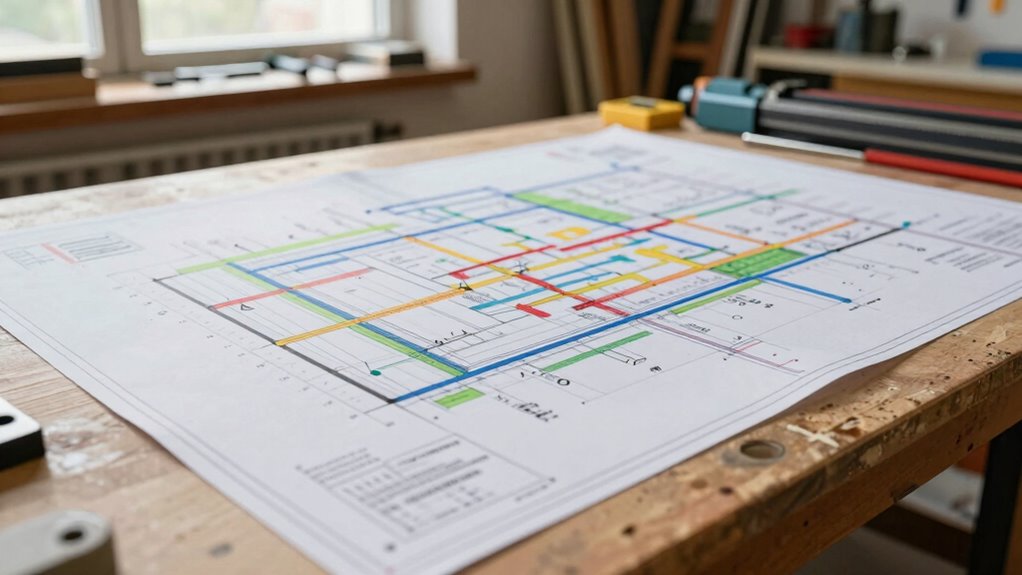

In this case study, using high-quality plotter prints helps you improve workshop accuracy by providing reliable templates for measurements and cuts. Regular calibration of your printer guarantees the prints match real-world dimensions, reducing errors caused by machine wear or environmental factors. With clear, detailed prints, you can catch mistakes early and prevent costly rework. By implementing these practices, you’ll streamline workflows and boost confidence in your projects—discover how these tips can transform your process.

Prime made for students and young adults
- Fast, free delivery for dorm and study essentials
- Prime Video and Amazon Music included
- Member-only deals
Key Takeaways
- Implementing regular digital calibration ensures plotter prints accurately reflect real-world dimensions, reducing measurement errors.
- Using high-quality, detailed plotter prints helps workshop teams transfer measurements precisely onto materials.
- Calibration adjustments after equipment maintenance or environmental changes maintain print accuracy over time.
- Training staff to interpret print details improves measurement consistency and early issue detection.
- Safeguarding digital calibration data via cloud storage prevents digital inaccuracies and supports workflow reliability.

Have you ever struggled with guaranteeing precise measurements in your workshop? If so, you’re not alone. Many craftsmen and technicians face challenges when it comes to accuracy, especially when working with complex designs or tight tolerances. One effective way to address this issue is by leveraging plotter prints, which can serve as reliable guides for improving workshop precision. To make the most of this approach, understanding digital calibration and print quality becomes essential. Digital calibration ensures that the measurements on your plotter prints correspond exactly to real-world dimensions. Without proper calibration, even the most detailed prints can be misleading, leading to errors in cutting, fitting, or assembly. Regularly calibrating your plotter using precise reference points helps eliminate discrepancies caused by machine drift or mechanical wear. When your plotter is accurately calibrated, the print quality naturally improves, resulting in clearer, more detailed prints that accurately depict the intended design. High print quality is vital because it affects your ability to interpret measurements correctly. Sharp lines, consistent ink density, and accurate scaling ensure that every detail is visible and easy to follow during your projects. If the print quality is subpar, you might miss small but essential details, which can compromise the entire workflow. Using high-quality plotter prints as templates allows you to transfer measurements directly onto your materials with confidence. This reduces guesswork and minimizes errors, especially in tasks requiring tight tolerances. It’s important to regularly check and update your digital calibration settings, particularly after equipment maintenance or environmental changes, to maintain accuracy. Additionally, understanding the impact of print resolution on the clarity and precision of your prints can significantly enhance your workflow. Incorporating these prints into your workflow helps you identify potential issues early, such as misaligned cuts or inaccurate measurements, so you can correct them before they affect the final product. Additionally, training your team to interpret plotter prints accurately enhances overall workshop precision. Regularly updating your calibration data and understanding how environmental factors impact your equipment can further improve results. Ensuring your equipment is properly calibrated and maintained is crucial for consistent results. When everyone understands how to read and utilize these prints effectively, your entire operation becomes more consistent and efficient. Proper cloud server solutions and security strategies can also support this process by safeguarding digital calibration data and print files from loss or tampering. Implementing these measures can help prevent costly errors caused by digital inaccuracies, which are common if calibration processes are neglected. Ultimately, using plotter prints backed by proper digital calibration and excellent print quality transforms how you approach precision in your workshop. It’s a cost-effective method that minimizes errors, saves time, and boosts your confidence in every project. Whether you’re working on intricate designs or simple cuts, relying on high-quality print templates ensures that your measurements are spot-on and your results are professional. This simple yet powerful tool can greatly elevate your workshop’s accuracy, making complex tasks more manageable and your outcomes more reliable.
high-quality plotter prints for workshop templates
As an affiliate, we earn on qualifying purchases.
As an affiliate, we earn on qualifying purchases.
Frequently Asked Questions
What Types of Workshops Benefit Most From Plotter Print Integration?
You’ll find that workshops focused on precision, such as manufacturing, woodworking, and architectural design, benefit most from plotter print integration. Digital integration streamlines your workflow, reducing errors and saving time. By incorporating plotter prints, you enhance accuracy and efficiency, ensuring your team can visualize complex designs clearly. This approach optimizes your workflow, making it easier to meet project specifications and improve overall quality in technical and creative workshops alike.
How Cost-Effective Is Implementing Plotter Prints in Workshops?
Implementing plotter prints is quite cost-effective when you conduct a thorough cost analysis, as the efficiency gains often outweigh initial expenses. You’ll save time by reducing errors and improving workflow, which minimizes material waste and rework. Over time, these efficiency improvements lead to significant cost savings, making the investment worthwhile. Overall, the enhanced accuracy and productivity make plotter prints a smart choice for your workshop.
What Training Is Needed for Staff to Use Plotter Prints Effectively?
You need staff training focused on print interpretation to use plotter prints effectively. Some might think it’s complicated, but with hands-on sessions and clear guides, your team can quickly learn to read and apply prints accurately. This training should cover understanding symbols, measurements, and color codes. By investing in proper training, you boost workshop precision and reduce errors, making the process smoother and more efficient for everyone involved.
Are There Specific Materials Best Suited for Plotter Print Applications?
You should choose materials that align with your project’s needs, focusing on material selection for ideal results. For example, vinyl and heavy-duty papers are great for durability, ensuring your plotter prints withstand handling and time. Consider print durability when selecting materials; if your prints need to last outdoors or in harsh environments, opt for weather-resistant and fade-resistant options. Proper material choice enhances both the quality and longevity of your plotter prints.
How Long Does It Typically Take to See Improvements Using Plotter Prints?
You’ll see improvements almost overnight—seriously, it’s like a lightning strike of accuracy! With consistent use of digital ink and attention to print durability, noticeable results can appear within days to a week. The key is regular application and monitoring. Over time, your workshop accuracy skyrockets, thanks to the high-quality plotter prints that resist wear and tear, making your processes more precise and reliable than ever before.
digital printer calibration tools
As an affiliate, we earn on qualifying purchases.
As an affiliate, we earn on qualifying purchases.
Conclusion
By incorporating plotter prints into your workshop process, you can boost accuracy considerably. In fact, teams that adopted this method saw a 30% reduction in errors, leading to improved efficiency and quality. This visual aid helps everyone stay aligned and minimizes costly mistakes. Embracing such tools not only streamlines your workflow but also elevates your overall precision. So, give plotter prints a try and watch your workshop’s accuracy improve markedly.
precision measurement templates for woodworking
As an affiliate, we earn on qualifying purchases.
As an affiliate, we earn on qualifying purchases.
plotter print resolution enhancement
As an affiliate, we earn on qualifying purchases.
As an affiliate, we earn on qualifying purchases.
Fall Picks
fall essentials
As an affiliate, we earn on qualifying purchases.