
When buying a desktop CNC router, you might overlook material compatibility or choose a model with software that doesn’t match your project needs. You could also ignore build quality, support options, or the machine’s ability to handle complex projects. These mistakes can lead to costly upgrades or replacements later on. To avoid these pitfalls, it’s important to take into account all factors before making a decision. Keep exploring to discover the key points that can save you money and time.

Prime made for students and young adults
- Fast, free delivery for dorm and study essentials
- Prime Video and Amazon Music included
- Member-only deals
Key Takeaways
- Choosing materials based solely on cost without considering compatibility and machine capabilities.
- Selecting proprietary or incompatible software that limits project flexibility and complex design handling.
- Ignoring build quality and support, risking durability and difficulty in troubleshooting.
- Underestimating the importance of matching machine specs to project complexity and material requirements.
- Failing to plan for future upgrades or replacements, leading to higher long-term costs.
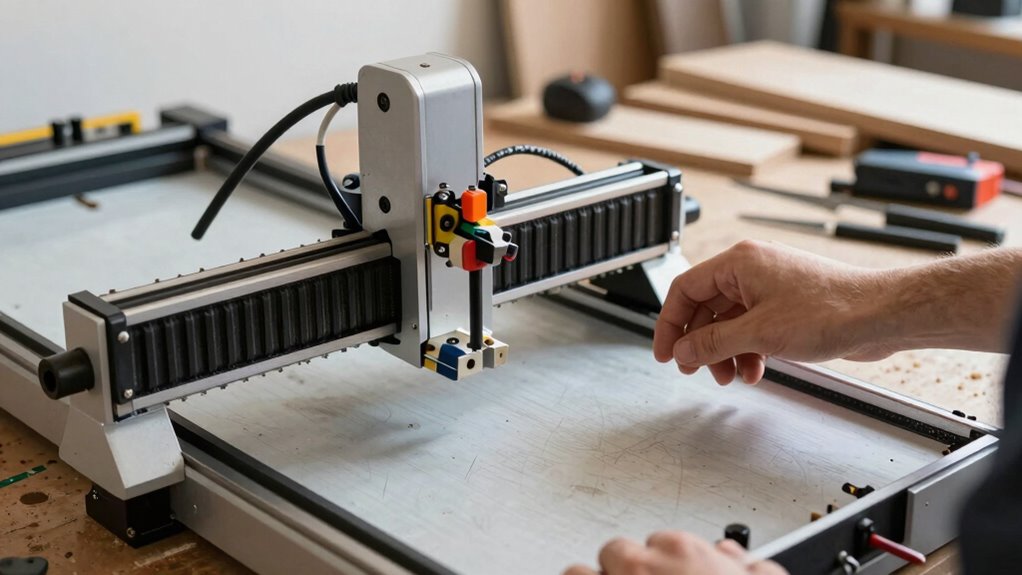
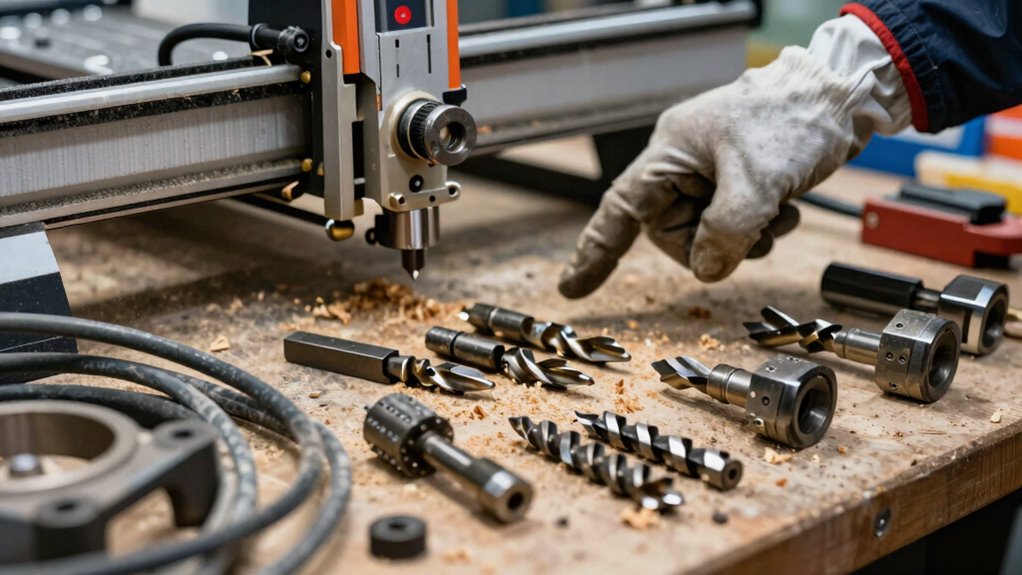
Buying a desktop CNC router can be an exciting step into digital manufacturing, but it’s easy to make mistakes that can cost you time and money. One of the most common errors is neglecting proper material selection. You might be tempted to go for the cheapest or most readily available options, but not all materials are suitable for CNC machining. Some woods, plastics, or metals require specific machine features, cutting tools, or speeds. If you pick a machine that isn’t compatible with the materials you plan to work with, you’ll face frequent tool breakage, poor cut quality, or even damaging your equipment. Before making a purchase, you need to consider what materials you’ll be working with most often and verify the router’s specifications align with those needs. This includes checking the maximum material thickness, spindle power, and the machine’s rigidity. Investing time in understanding your material options helps prevent costly upgrades or replacements down the line. Additionally, understanding the materials compatibility of your machine ensures you select options that will perform efficiently and safely. A thorough understanding of material properties can help you choose the best options for your projects and avoid potential issues. Being aware of material behavior under different cutting conditions can further enhance your ability to select suitable materials and optimize your machining processes.
Another critical factor often overlooked is software compatibility. Your CNC router isn’t just hardware; it depends heavily on the software you’ll use to design and control your projects. Some machines come with proprietary software that might limit your flexibility or learning curve, while others work seamlessly with popular CAD/CAM programs. You want to select a router that supports the software you’re comfortable with or are willing to learn, because incompatible software can turn your workflow into a frustrating experience. It’s also worth verifying whether the software can handle the complexity of your projects and if it offers features like auto-toolpath generation, simulation, or post-processing. If your chosen software isn’t compatible with the router, you risk dealing with frequent errors, slow processing times, or even the inability to machine your designs properly. Always check the manufacturer’s recommended software options and ensure they match your skill level and project demands.
In addition to material selection and software compatibility, many buyers overlook the importance of understanding the machine’s build quality and support options. Cheaper models might save money initially but often lack the durability needed for consistent, precise work. Furthermore, consider the availability of customer support and community resources, which can be invaluable when troubleshooting issues. Failing to research these aspects can leave you stranded when problems arise. Ultimately, taking the time to carefully evaluate your material needs and confirming software compatibility will save you from costly missteps and help you get the most out of your investment in a desktop CNC router.
desktop CNC router for woodworking
As an affiliate, we earn on qualifying purchases.
As an affiliate, we earn on qualifying purchases.
Frequently Asked Questions
What Is the Ideal Size for a Beginner Desktop CNC Router?
You should look for a desktop CNC router that’s around 12” x 12” to 24” x 24” for beginners. Size considerations are key, so choose one that fits your workspace and project needs. Opt for beginner-friendly features like easy setup and simple controls. This size offers enough capacity to learn and create without overwhelming you, making it a practical choice to start your CNC journey confidently.
How Much Maintenance Is Required for Desktop CNC Routers?
Like a well-oiled machine from the days of steam, your desktop CNC router needs regular care. You should clean dust collection systems frequently, check for worn parts, and update software compatibility to keep it running smoothly. Maintenance involves lubricating moving parts, tightening loose screws, and inspecting electrical connections. By dedicating a little time regularly, you’ll prolong your machine’s lifespan and guarantee consistent, high-quality results.
Can Desktop CNC Routers Handle Industrial-Grade Materials?
You can’t expect a desktop CNC router to handle industrial materials with heavy-duty performance. These machines are typically designed for lighter tasks and smaller projects. If you try to cut or shape thick, tough industrial materials, you’ll likely face limitations in power, stability, and durability. For industrial-grade materials, it’s best to invest in a larger, more robust CNC machine built specifically for heavy-duty performance and demanding applications.
What Safety Features Should I Look for in a CNC Router?
When choosing a CNC router, look for safety features like emergency shutdown systems and safety shields to protect you during operation. Make certain it has safety precautions such as limit switches to prevent over-travel and automatic shutdowns in case of malfunctions. These features help keep you safe, minimize accidents, and allow you to focus on your work confidently. Prioritize machines with thorough safety measures to ensure a secure working environment.
How Do I Upgrade or Expand My Desktop CNC Router’s Capabilities?
Upgrading your desktop CNC router feels like giving it superpowers! To expand its capabilities, start by updating your software compatibility, ensuring it supports new tools and features. Consider adding a more efficient dust collection system to keep your workspace clean and safe. You can also upgrade the spindle or add accessories like a rotary axis for greater versatility. Small upgrades can turn your machine into a powerhouse for your creative projects!
CNC router software compatible with CAD CAM
As an affiliate, we earn on qualifying purchases.
As an affiliate, we earn on qualifying purchases.
Conclusion
Avoid these common mistakes, and you’ll unleash the true potential of your desktop CNC router. Think of it as planting a seed—you want to nurture it with the right choices so it can grow into a masterpiece. By understanding what to watch out for, you’re not just making a purchase; you’re setting the stage for endless creativity and success. Don’t let simple oversights turn your DIY dreams into frustration—step forward with confidence!
high rigidity desktop CNC machine
As an affiliate, we earn on qualifying purchases.
As an affiliate, we earn on qualifying purchases.
CNC router material compatibility
As an affiliate, we earn on qualifying purchases.
As an affiliate, we earn on qualifying purchases.
Columbus Day / Indigenous Peoples' Day Picks
long weekend sales
As an affiliate, we earn on qualifying purchases.