
The golden rectangle is a shape with proportions based on the golden ratio of about 1.618, creating a sense of harmony that feels naturally balanced and pleasing to the eye. Its unique property allows you to keep adding smaller rectangles that maintain the same proportions, giving it a recursive, self-similar quality. This mathematical harmony influences how we perceive beauty and balance, and exploring further reveals even more fascinating aspects of this timeless design principle.
Prime for Young Adults — start your free trial
Fast free delivery, streaming and member deals for eligible 18–24 year olds.
As an affiliate, we earn on qualifying purchases.
Key Takeaways
- The golden rectangle’s sides are in the ratio of approximately 1.618, known as the golden ratio, creating visual harmony.
- Adding a square to a golden rectangle yields a smaller golden rectangle, demonstrating its recursive, self-similar property.
- Its proportions are naturally balanced, making it a favorite in art, architecture, and design for aesthetic appeal.
- The rectangle’s ratio aligns with subconscious perceptions of beauty, evoking a sense of order and harmony.
- Its mathematical and aesthetic qualities have inspired countless designs, reflecting an enduring principle of visual harmony.
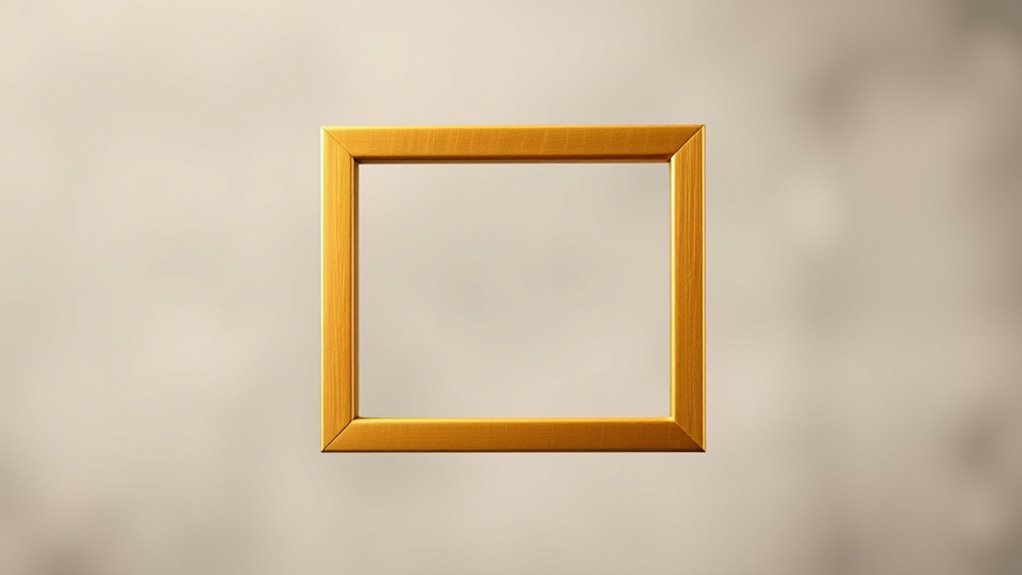
Have you ever wondered why certain rectangles are considered so visually appealing? The answer lies in the golden ratio, an irrational number approximately equal to 1.618, which has fascinated artists, architects, and designers for centuries. When you look at a golden rectangle, you’ll notice that its proportions are defined by this ratio, creating a shape that feels naturally balanced and harmonious. The key to its aesthetic appeal is how the sides relate to each other—if the longer side divided by the shorter side equals the golden ratio, the rectangle achieves its unique visual harmony. This proportional relationship is what makes the golden rectangle so pleasing to the eye and why it’s been used in everything from classical architecture to modern graphic design.
Understanding the properties of a golden rectangle helps you appreciate why it’s so universally admired. When you draw a square and extend its longer side to create a rectangle with the ratio of approximately 1.618, the shape exudes a sense of order and beauty that’s difficult to replicate with other proportions. The rectangle’s sides are in perfect harmony, giving it a balanced appearance that feels both stable and dynamic. When you cut a square from a golden rectangle, the remaining shape is another, smaller golden rectangle, which means the proportion repeats infinitely. This self-similarity, or recursive property, contributes to its visual appeal, as your eye naturally gravitates toward patterns that seem to extend endlessly with consistent proportions.
The golden rectangle’s aesthetic appeal isn’t accidental. It reflects a mathematical harmony that our brains are wired to recognize as beautiful. When you incorporate these rectangles into designs or artworks, they create a sense of cohesion and elegance that draws viewers in. Artists like Leonardo da Vinci and architects like Le Corbusier have used the golden ratio and, by extension, golden rectangles to craft compositions that evoke beauty and balance. It’s not just about aesthetics; it’s about understanding how proportions influence our perception of harmony. When you use a golden rectangle in your projects, you tap into this deep-rooted sense of order, making your work feel more natural and engaging.
In essence, the golden rectangle embodies a perfect blend of mathematics and aesthetic appeal. Its proportions are more than just pleasing to the eye; they resonate with our subconscious sense of harmony. Recognizing its properties allows you to create visually compelling designs that feel instinctively right, leveraging an ancient principle that continues to inspire and captivate today.
As an affiliate, we earn on qualifying purchases.
Frequently Asked Questions
How Does the Golden Rectangle Relate to the Fibonacci Sequence?
The golden rectangle relates to the Fibonacci connection through the ratio of its sides approaching the golden ratio as it enlarges. As you extend the rectangle, the Fibonacci sequence’s numbers emerge, creating a spiral emergence that mimics natural patterns like shells and galaxies. This connection shows how mathematics reflects nature’s beauty, with the Fibonacci sequence guiding the spiral’s growth and the golden rectangle embodying harmony and proportion.
Can the Golden Rectangle Be Constructed With Simple Tools?
You can construct a golden rectangle using simple tools like a compass, straightedge, and pencil. First, draw a square, then use geometric methods to create a specific diagonal and arc, forming the golden ratio. With careful calculation and precise construction tools, you’ll easily establish the harmonious proportions, transforming basic geometric methods into a beautiful golden rectangle that showcases symmetry, simplicity, and stunning mathematical precision.
Are There Natural Examples of Golden Rectangles?
Yes, natural patterns often display geometric occurrences resembling golden rectangles. You can see them in sunflower seed heads, pinecones, and hurricane spirals, where the arrangement of seeds or scales follows the golden ratio. These natural examples highlight how the golden rectangle appears in nature’s design, demonstrating its harmony and efficiency. Recognizing these patterns helps you appreciate the intrinsic connection between mathematics and the natural world.
How Is the Golden Ratio Used in Modern Architecture?
Like Da Vinci’s masterpieces, modern architecture employs the golden ratio to create aesthetic harmony. You’ll see it in fractal patterns and building proportions, which evoke natural beauty and balance. Architects use the ratio to design structures that feel visually pleasing, from skyscrapers to public spaces. This timeless principle guides your eye smoothly across spaces, making them more inviting and harmonious, much like the golden rectangle’s elegant proportions.
What Are the Psychological Effects of Golden Rectangles in Design?
You’ll find that golden rectangles create a sense of visual harmony, making designs more pleasing and balanced. This familiarity influences your perception positively, often evoking feelings of calm and satisfaction. When you view images or spaces incorporating golden rectangles, your subconscious recognizes the proportions, enhancing your overall experience. The use of these shapes subtly guides your attention, making the design feel more natural and engaging, which explains why they’re so effective in visual communication.
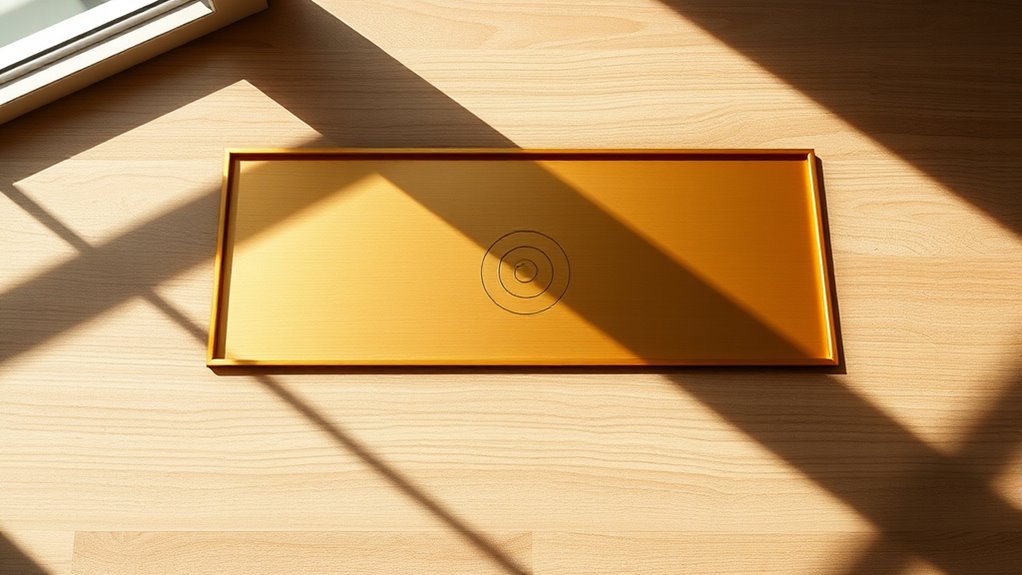
golden rectangle drawing template
As an affiliate, we earn on qualifying purchases.
As an affiliate, we earn on qualifying purchases.
Conclusion
Now that you’ve explored the golden rectangle, you see it’s like a secret garden where beauty and harmony grow side by side. Its perfect proportions are the keys to uncovering nature’s most elegant designs, like a timeless melody woven into the fabric of the universe. Remember, this shape isn’t just a mathematical wonder—it’s a whisper of nature’s artistic soul, inviting you to see the world through a lens of balance and wonder.
As an affiliate, we earn on qualifying purchases.
architectural golden ratio poster
As an affiliate, we earn on qualifying purchases.
As an affiliate, we earn on qualifying purchases.
NFL season / tailgating Picks
team gear
As an affiliate, we earn on qualifying purchases.