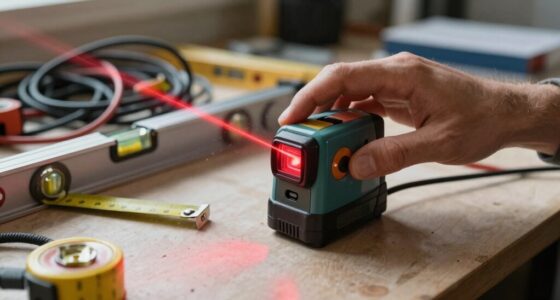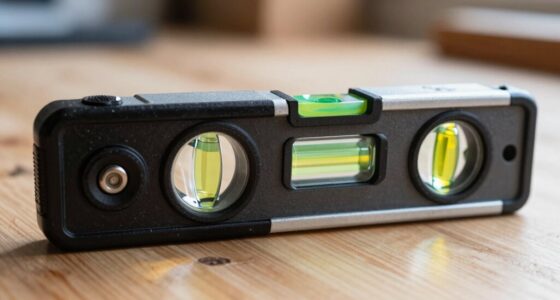

Calibration is essential for digital devices because, over time, sensor accuracy can drift due to environmental factors, aging, or impacts. Regular calibration keeps measurements precise, ensuring reliable data and better performance. Updating software also helps fine-tune sensors and adapt to changes. Without proper calibration, your device may give inaccurate results, reducing trust and effectiveness. Want to discover more about why staying calibrated makes all the difference? Keep exploring to find out.

Prime made for students and young adults
- Fast, free delivery for dorm and study essentials
- Prime Video and Amazon Music included
- Member-only deals
Key Takeaways
- Digital devices rely on sensors that can drift over time, requiring calibration to maintain accuracy.
- Software updates refine sensor algorithms, ensuring continued precise measurements.
- Environmental factors like temperature and impacts can affect sensor performance, necessitating calibration.
- Proper calibration ensures reliable data, enhancing device trustworthiness and user safety.
- Neglecting calibration can lead to errors, decreased performance, and compromised device reliability.
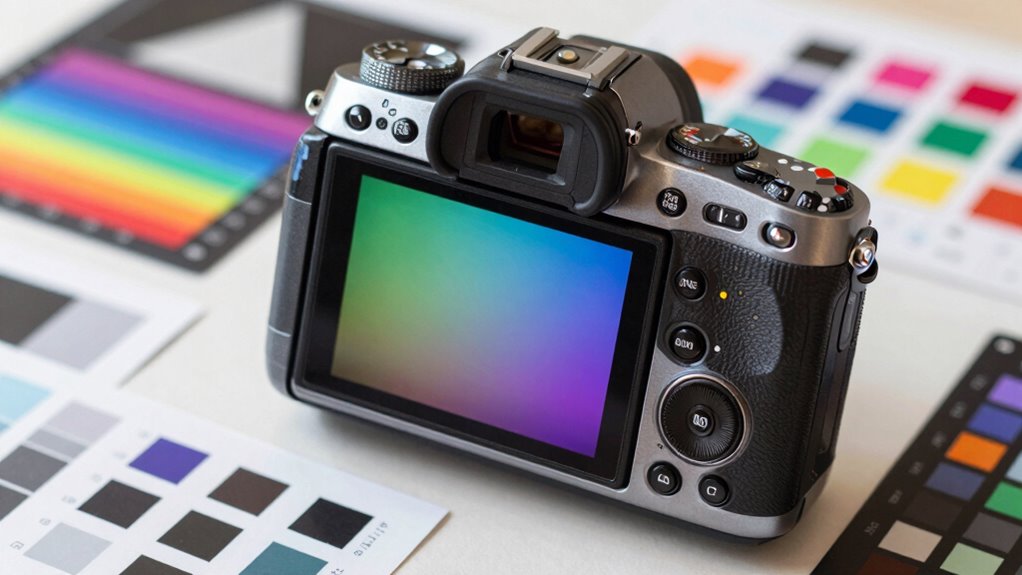
In today’s digital age, ensuring your devices are properly calibrated is essential for accurate performance. Even with advanced technology, sensor accuracy can drift over time, leading to unreliable data and compromised results. Calibration isn’t just about initial setup; it’s an ongoing process that guarantees your device’s measurements remain precise. For example, if you’re using a digital thermometer or a fitness tracker, slight deviations in sensor readings can cause misinterpretation of your health data or environmental conditions. Regular calibration helps correct these deviations, ensuring your device provides consistent and trustworthy information.
Regular calibration ensures your devices stay accurate and reliable over time.
Software updates play a crucial role in maintaining calibration. Developers often release updates that refine algorithms, improve sensor calibration, and fix bugs that might affect accuracy. Ignoring these updates can cause your device’s sensors to become less reliable over time, as outdated software may not account for the natural wear and tear or environmental changes affecting sensor performance. Keeping your device’s software current is a simple yet vital step in preserving sensor accuracy and overall calibration quality. It’s akin to giving your device a tune-up, ensuring it operates at peak performance.
You might think that once a device is calibrated, no further adjustments are necessary. However, digital devices are influenced by various factors, including temperature fluctuations, physical impacts, and aging components. These factors can subtly alter sensor readings, leading to inaccuracies if left unmonitored. Regular calibration, combined with timely software updates, helps counteract these issues, ensuring your device adapts to changing conditions and continues to deliver precise results.
Calibration also impacts your user experience. When sensors are calibrated correctly, you get more accurate feedback, which can influence decisions, safety, and operational efficiency. For instance, in professional settings like laboratories or manufacturing, calibration directly affects product quality and compliance with standards. In everyday use, it means fewer errors, less frustration, and better reliability from your digital devices. This emphasis on calibration underscores that even in the digital realm, physical accuracy remains crucial.
Ultimately, neglecting calibration can undermine the benefits of your advanced devices. Sensor accuracy and software updates are inseparable elements in maintaining that accuracy. By routinely calibrating your devices and staying up-to-date with software enhancements, you ensure they perform as intended, providing reliable data and optimal functionality. In a world driven by digital precision, calibration isn’t optional—it’s essential for getting the most out of your technology. Recognizing the importance of sensor calibration helps ensure your devices deliver consistent and accurate results over time.
digital device calibration tools
As an affiliate, we earn on qualifying purchases.
As an affiliate, we earn on qualifying purchases.
Frequently Asked Questions
How Often Should Digital Devices Be Recalibrated?
You should recalibrate your digital devices whenever you notice sensor accuracy issues or after software updates, which can affect performance. Regular calibration guarantees sensors remain precise, especially if the device is used frequently or in changing environments. Check the manufacturer’s recommendations, but typically, recalibration every few months or after significant software upgrades keeps your device functioning at its best and maintains measurement reliability.
Can Calibration Improve Device Lifespan?
Yes, calibration can improve your device’s lifespan by maintaining sensor accuracy and ensuring it operates efficiently. When you follow proper calibration standards, you prevent unnecessary wear and tear caused by inaccurate readings or overcompensation. Regular calibration helps identify issues early, reducing strain on internal components. As a result, your device lasts longer, performs reliably, and provides precise data, saving you money and frustration over time.
What Are Common Signs a Device Needs Recalibration?
You’ll notice your device needs recalibration when sensor drift causes inconsistent readings, which affects accuracy. About 30% of users report calibration issues within the first year. Signs include fluctuating data, errors, or unexpected results. Regular user calibration can help maintain precision. If your device’s outputs aren’t reliable, it’s a clear sign to check for sensor drift and perform recalibration to guarantee peak performance.
Is Professional Calibration Necessary for All Digital Devices?
No, professional calibration isn’t necessary for all digital devices. For some, software adjustments can improve sensor precision and maintain accuracy. However, if your device handles critical measurements or experiences drift over time, professional calibration ensures maximum performance. It involves precise sensor calibration and validation, which can’t be achieved through simple software tweaks. For consistent results and reliability, especially in sensitive applications, professional calibration is often the best choice.
How Does Calibration Affect Device Accuracy Over Time?
Calibration directly impacts your device’s accuracy over time by maintaining sensor precision. As sensors age or drift, their readings can become less reliable. Regular user calibration helps you compensate for these changes, ensuring consistent results. Without calibration, your device’s measurements may become inaccurate, leading to potential errors. Staying proactive with calibration keeps your digital devices performing at their best and preserves the integrity of the data they provide.
As an affiliate, we earn on qualifying purchases.
Conclusion
Think of your digital device like a finely tuned compass—you might not notice it’s off until you rely on it in unfamiliar territory. Just as a compass needs calibration to point true north, your devices require regular check-ups to deliver accurate results. Skipping this step is like sailing with a faulty compass, risking getting lost. Calibration keeps everything on course, ensuring your digital tools serve you precisely, no matter how complex or simple the task.
As an affiliate, we earn on qualifying purchases.
As an affiliate, we earn on qualifying purchases.
Evergreen bestsellers Picks
bestsellers
As an affiliate, we earn on qualifying purchases.