When buying a stereo microscope with a camera, avoid common mistakes like not setting a clear budget or overpaying for features you don’t need. Be sure to understand technical terms, so you don’t buy a model incompatible with your setup or future needs. Ignoring compatibility and upgradeability can cause hassles down the line. Planning for growth and support is vital, or you might face limitations sooner than expected. Keep these pitfalls in mind to make smarter choices as you explore your options further.

Prime made for students and young adults
- Fast, free delivery for dorm and study essentials
- Prime Video and Amazon Music included
- Member-only deals
Key Takeaways
- Failing to assess compatibility between the microscope, camera, and existing equipment or software.
- Overlooking future upgradeability and long-term research needs.
- Ignoring technical jargon, leading to misunderstandings about resolution, frame rate, or other features.
- Not setting a clear budget, resulting in overspending or purchasing unnecessary features.
- Neglecting to verify the camera’s performance in specific research conditions, such as low light.
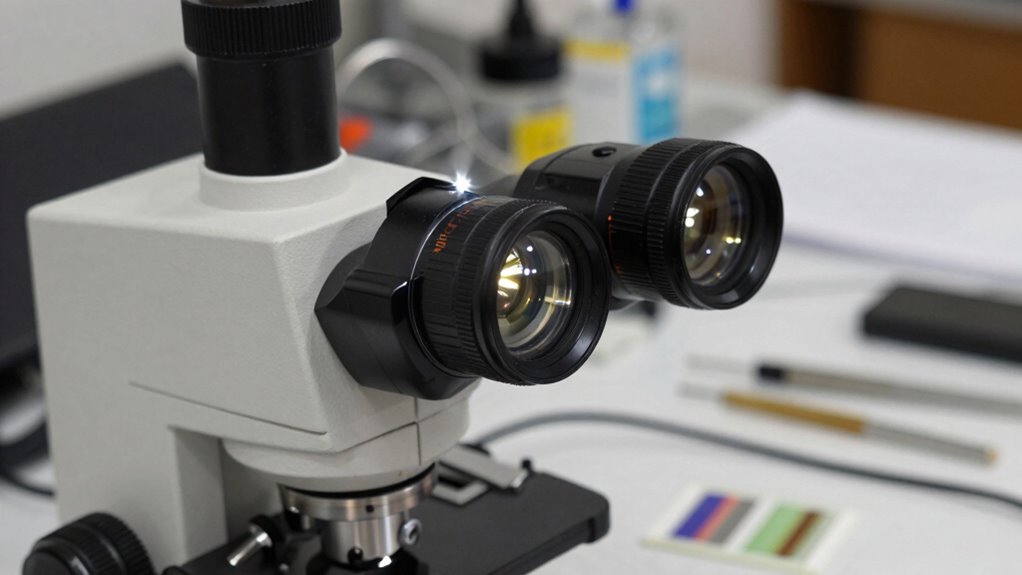
Are you aware of the common pitfalls people encounter when purchasing a stereo microscope with a camera? One of the biggest mistakes is not setting a clear budget upfront. It’s easy to get excited about all the features available and end up overspending, leading to budget overruns. Without a firm budget in mind, you might be tempted to buy a model with the latest bells and whistles that you don’t really need, only to find yourself stretched financially. To avoid this, determine what you truly need from your microscope and camera system, and stick to that range. This helps prevent overspending on features that won’t add value to your work or research.
Setting a clear budget prevents overspending and ensures you choose a system that truly meets your needs.
Another mistake is falling prey to technical jargon. Many sales pitches are filled with complex terms like resolution, magnification, frame rate, and depth of field, which can be confusing if you’re not familiar with the technology. When you don’t understand these terms, you risk choosing a system that doesn’t meet your actual needs. For example, you might prioritize high resolution when what you really need is better low-light performance. It’s crucial to do your homework beforehand, asking for plain-language explanations and consulting reviews from trusted sources. Take your time to learn what each feature means and how it impacts your work, ensuring you’re making an informed decision rather than just reacting to marketing hype. Additionally, understanding the importance of biodiversity and its impact on science can guide you toward choosing equipment that supports detailed and reliable imaging for research purposes.
Another common mistake is neglecting compatibility issues. When selecting a stereo microscope with a camera, you need to confirm that the camera is compatible with your existing setup or software. Failing to check this can lead to frustration, as you might end up with equipment that doesn’t integrate smoothly, causing delays and additional costs. Always verify the specifications carefully, including the interface type, software requirements, and whether the camera supports your workflow. Moreover, understanding the importance of future-proofing options can help ensure your setup remains functional and relevant as technology advances and your needs evolve. It is also beneficial to consider how upgradeability might impact your long-term investment.
Another common mistake is neglecting future needs. You might buy a system that works perfectly now but becomes obsolete as your projects grow or your research demands change. Investing in a versatile, upgradeable model can save you money in the long run. Also, don’t forget to think about after-sales support and warranty terms. A good warranty and responsive customer service can be invaluable if technical issues arise.
stereo microscope with camera for research
As an affiliate, we earn on qualifying purchases.
As an affiliate, we earn on qualifying purchases.
Frequently Asked Questions
What Is the Ideal Camera Resolution for Stereo Microscopes?
You should look for a camera with at least 5 to 12 megapixels for stereo microscopes, guaranteeing clear, detailed images. A larger camera sensor captures more light, improving image quality. Also, prioritize models with image stabilization to reduce blurring caused by hand movement or vibrations. This combination of resolution, sensor size, and stabilization ensures you get sharp, high-quality images suitable for detailed inspection and documentation.
How Do I Ensure Compatibility With Existing Laboratory Equipment?
To guarantee compatibility with your existing laboratory equipment, focus on laboratory integration and equipment compatibility. Check the microscope camera’s connection types, such as USB, HDMI, or specific ports, and verify they match your current devices. Review the camera’s software requirements and ensure they work seamlessly with your lab’s operating systems. Consult your equipment manuals or manufacturers to confirm compatibility and avoid costly upgrades or replacements later.
What Maintenance Is Required for Stereo Microscopes With Cameras?
Think of your stereo microscope with a camera as a finely tuned instrument. You need to follow regular cleaning protocols to keep lenses free of dust and smudges. Additionally, calibration procedures guarantee accurate imaging. Regularly check and adjust focus and alignment, and replace any worn parts. Proper maintenance prolongs your microscope’s life, maintains image quality, and ensures reliable results. Stay diligent, and your equipment will serve you well for years.
Are There Specific Brands Known for Durability and Reliability?
You should look for brands with a strong reputation for durability and reliability, like Leica, Zeiss, and Olympus. These brands prioritize quality, using durable materials and advanced engineering, ensuring your stereo microscope with camera lasts longer and performs consistently. Durability factors such as sturdy construction, excellent optical components, and reliable camera integration are key. Investing in reputable brands helps you avoid frequent repairs and guarantees better performance over time.
How Does Lighting Affect Image Quality in Stereo Microscopy?
Lighting in stereo microscopy is like painting with light, shaping your image’s clarity. Your lighting setup and illumination techniques directly impact image quality, highlighting details and reducing shadows. Bright, even illumination ensures sharp, crisp images, while poor lighting can cause glare or dark spots. Adjusting your light source and angles helps reveal intricate features, making your observations more accurate and detailed. Proper lighting guarantees your microscope into a powerful visual tool.
compatible microscope camera for biology
As an affiliate, we earn on qualifying purchases.
As an affiliate, we earn on qualifying purchases.
Conclusion
Think of choosing a stereo microscope with a camera like picking the right pair of shoes—you want comfort, precision, and durability. I once watched a hobbyist struggle with a blurry image, wasting hours troubleshooting, only to realize they bought the wrong camera for their needs. Don’t let costly mistakes trip you up. Know what features matter, and invest wisely. A small step in research now can save you a world of frustration later.
high resolution stereo microscope camera
As an affiliate, we earn on qualifying purchases.
As an affiliate, we earn on qualifying purchases.
budget stereo microscope with camera
As an affiliate, we earn on qualifying purchases.
As an affiliate, we earn on qualifying purchases.
Fall Picks
fall essentials
As an affiliate, we earn on qualifying purchases.