When choosing a robotic total station, focus on specs that impact accuracy, range, and efficiency. Look for high angular accuracy and precise distance measurements to guarantee trustworthy data. Consider the measurement range, telescope magnification, and robotic features like automatic tracking and remote operation. Make sure it’s built for your environment and complies with industry standards. If you want to know which specs truly make a difference, keep going to discover the key details.

Prime made for students and young adults
- Fast, free delivery for dorm and study essentials
- Prime Video and Amazon Music included
- Member-only deals
Key Takeaways
- Measurement accuracy, including angular and distance precision, directly affects data reliability and reduces the need for repeated measurements.
- Robotic and remote operation features improve efficiency and are crucial for complex or inaccessible survey sites.
- Environmental robustness and compliance with standards ensure consistent performance in diverse outdoor conditions.
- Calibration frequency and maintenance impact measurement consistency and instrument longevity.
- Core specifications like measurement range and telescope magnification determine the device’s suitability for various surveying tasks.
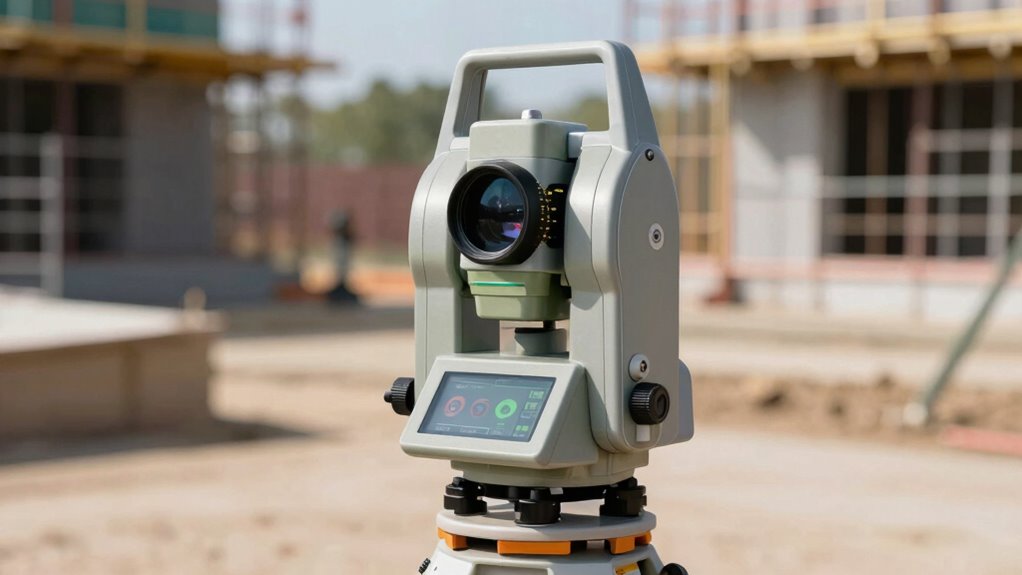
A robotic total station is an essential tool in modern surveying, combining precise electronic distance measurement with automated data collection. When you’re choosing the right device, the key specs that truly matter are those affecting performance and reliability, especially machine calibration and data accuracy. These elements directly impact the quality of your measurements and the efficiency of your work. If the instrument isn’t properly calibrated, even the most advanced features won’t deliver trustworthy results. Regular machine calibration ensures that your total station maintains its precision over time, preventing errors caused by drift or mechanical wear. It’s vital to verify calibration periodically and follow manufacturer guidelines to keep measurements consistent and reliable. Additionally, understanding the regulations and standards governing total station use helps ensure compliance and optimal operation. Data accuracy is another vital factor. It’s what determines how close your measurements are to the true value. Look for specifications on angular accuracy and distance measurement precision, as these define the instrument’s ability to produce reliable data. High accuracy in both areas reduces the need for repeated measurements and saves you time. Pay attention to the least count or resolution, which indicates the smallest measurement increment the device can detect. The finer this resolution, the more precise your data will be. Also, consider the instrument’s ability to handle different environmental conditions. External factors like temperature, humidity, and vibrations can influence measurement accuracy, so choose a model that’s rated for your typical working environment. Proper instrument maintenance can extend the lifespan of your equipment and ensure consistent results over time. Regularly updating your device’s firmware can also enhance performance and fix potential bugs, further ensuring measurement reliability. Moreover, selecting equipment with robust construction can help it withstand the rigors of outdoor and challenging environments. Ensuring user training on proper operation is also crucial to maintain measurement quality and prevent user-induced errors. Beyond calibration and accuracy, other specs like measurement range, telescope magnification, and robotic features influence your productivity. A longer measurement range allows you to cover larger distances without repositioning, while higher magnification enhances target visibility in challenging conditions. Robotic features, such as automatic tracking and remote operation, can greatly boost efficiency, especially in complex projects or difficult terrains. However, these advanced capabilities are only valuable if the core measurement specs are solid. Without dependable calibration and high data accuracy, even the most sophisticated robotic functions won’t compensate for measurement errors.
robotic total station with high angular accuracy
As an affiliate, we earn on qualifying purchases.
As an affiliate, we earn on qualifying purchases.
Frequently Asked Questions
How Does Battery Life Impact Fieldwork Efficiency?
Battery life directly impacts your fieldwork efficiency, as longer battery optimization means less downtime. With effective power management, you can extend your equipment’s operational hours, reducing the need for frequent recharges or carrying extra batteries. This allows you to focus more on data collection and less on technical interruptions, ensuring smoother, faster job completion. Prioritizing battery life helps you stay productive and maintain momentum throughout your surveying projects.
Are There Durability Ratings for Harsh Environment Use?
Yes, robotic total stations often boast durability ratings for harsh environments. You’ll find weather resistance ratings, like IP (Ingress Protection) codes, ensuring protection against dust and water, plus impact resistance standards that withstand rough handling. These ratings guarantee your equipment endures extreme conditions, so you can confidently work in storms, dust storms, or rugged terrain without worrying about damage. Durability ratings are essential for reliable, resilient fieldwork in challenging environments.
What Is the Typical Maintenance Required?
You should regularly perform calibration procedures to guarantee your robotic total station maintains accuracy. Keep up with software updates, as they often include bug fixes and new features that improve performance. Also, check for any physical wear or damage, and clean the device as recommended by the manufacturer. By staying on top of calibration and updates, you guarantee reliable measurements and extend the lifespan of your equipment.
How User-Friendly Are the Controls and Interface?
You’ll find the controls and interface quite user-friendly, thanks to excellent control ergonomics and an intuitive design. The layout is straightforward, making it easy to operate even if you’re new to robotic total stations. Clear menus and responsive touchscreens help you navigate functions smoothly, reducing learning time. Overall, the interface is designed to enhance efficiency, so you can focus on your work without struggling with complicated controls.
Can the Device Integrate With Existing Survey Software?
You can easily integrate your robotic total station with existing survey software, guaranteeing seamless data transfer and streamlined workflows. Check for software compatibility to confirm it supports your preferred programs, and ensure data integration features are robust enough to handle your project needs. This compatibility saves time, reduces errors, and enhances efficiency, allowing you to focus on the survey itself rather than technical hurdles.
electronic distance measurement total station
As an affiliate, we earn on qualifying purchases.
As an affiliate, we earn on qualifying purchases.
Conclusion
When choosing a robotic total station, focus on the specs that truly count—accuracy, range, and speed—like a trusty compass guiding your survey. Don’t get distracted by bells and whistles, much like a knight ignoring shiny armor in favor of a sharp sword. Remember, in surveying, as in life, it’s the core tools that help you navigate the terrain and conquer your project’s challenges. Keep your eyes on what matters, and you’ll always stay on course.
surveying robotic total station remote control
As an affiliate, we earn on qualifying purchases.
As an affiliate, we earn on qualifying purchases.
As an affiliate, we earn on qualifying purchases.
Halloween Picks
halloween
As an affiliate, we earn on qualifying purchases.