
When buying GNSS base and rover kits, you might overlook signal environment factors, calibration needs, or compatibility issues, which can hurt measurement accuracy and reliability. Skipping regular maintenance, choosing cheaper models, or neglecting accessories can also lead to problems. Additionally, a lack of user training might result in ineffective use or data errors. If you keep these pitfalls in mind, you’ll be better prepared to select the right kit and optimize its performance.
Listen free for 30 days with Audible
Thousands of audiobooks and originals — cancel anytime.
As an affiliate, we earn on qualifying purchases.
Key Takeaways
- Failing to assess satellite signal conditions and environment for reliable data collection.
- Overlooking regular calibration and maintenance to ensure ongoing equipment accuracy.
- Ignoring compatibility with existing tools and missing essential accessories like antennas or tripods.
- Underestimating the importance of user training to operate equipment effectively.
- Choosing cheaper models or skipping quality accessories, compromising measurement accuracy and durability.

Buying a GNSS kit might seem straightforward, but many users make common mistakes that can jeopardize accuracy and value. One of the biggest pitfalls is overlooking the significance of understanding how satellite signals affect your measurements. GNSS technology relies heavily on receiving strong, consistent satellite signals to deliver precise location data. If you purchase equipment without considering the signal environment where you’ll be working, you might end up with unreliable results. Urban areas, dense forests, or locations with obstructions can weaken signals, leading to inaccuracies. It’s essential to evaluate your typical work environment and choose a kit that can handle such conditions, perhaps with multi-frequency or multi-constellation capabilities.
Understanding satellite signals and environment is key to accurate GNSS measurements.
Another mistake users often make is neglecting equipment calibration. Proper calibration ensures your GNSS device maintains its accuracy over time and under different conditions. Many beginners assume that once set up, their equipment doesn’t need regular checks, but calibration is an ongoing process. If you skip this step, you risk introducing errors that can go unnoticed, especially when performing critical measurements. Always follow the manufacturer’s calibration procedures, and make it a habit to verify your setup before every use. This small step can save you from costly rework or data inaccuracies later. Additionally, understanding the importance of satellite signals helps in troubleshooting and optimizing your measurements effectively. Being aware of signal interference sources can also help you mitigate potential disruptions during data collection.
Furthermore, some buyers focus solely on the specifications like receiver type or brand reputation without considering compatibility with accessories or software. Having a robust GNSS kit isn’t just about the hardware; it’s also about how well the equipment integrates with your existing tools, such as data collectors or post-processing software. Compatibility issues can cause delays and frustration, so double-check that your chosen kit works seamlessly with your workflow.
Another common mistake is underestimating the importance of training and familiarity. Even the most advanced GNSS kit won’t deliver maximum results if you don’t understand how to operate it correctly. Spend time learning about satellite signal acquisition, data collection techniques, and calibration procedures. Many manufacturers offer training resources or technical support—take advantage of these to maximize your kit’s potential.
Finally, don’t be tempted to cut costs by choosing cheaper models or skipping essential accessories like batteries, antennas, or tripods. Investing in quality equipment and reliable accessories ensures your measurements stay accurate and your setup remains stable during fieldwork. Making thoughtful, informed decisions when buying your GNSS kit will pay off in the long run, giving you confidence that your data is precise and dependable.
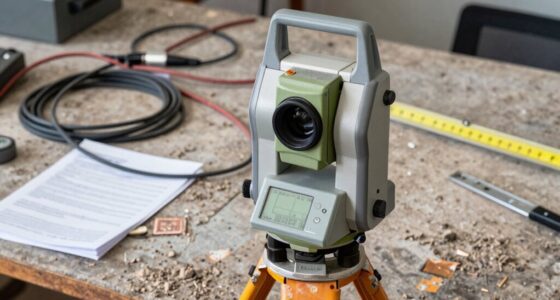
GNSS base and rover kit with multi-frequency capabilities
As an affiliate, we earn on qualifying purchases.
As an affiliate, we earn on qualifying purchases.
Frequently Asked Questions
How Do I Choose the Right GNSS Kit for My Project?
To choose the right GNSS kit, consider your project’s precision accuracy needs—higher accuracy often costs more. Think about your budget and weigh cost considerations against desired results. Assess whether you need real-time data or post-processing capabilities, and guarantee the kit is compatible with your existing equipment. Research different brands and read reviews to find a reliable system that matches your specific surveying or mapping requirements.
What Are the Maintenance Requirements for GNSS Base and Rover Kits?
Think of your GNSS kit as a high-performance vehicle needing regular tune-ups. You should check the battery life regularly to guarantee it doesn’t run out mid-mission, and follow calibration procedures to keep accuracy sharp. Keep equipment clean and stored properly when not in use. Routine maintenance like updating firmware also helps prevent glitches, so your GNSS base and rover kit stay reliable and ready for the road ahead.
Can GNSS Kits Be Used in Harsh Weather Conditions?
Yes, GNSS kits can be used in harsh weather conditions, but you need to take into account weather resilience and equipment durability. Choose kits designed with rugged enclosures and weatherproof features to withstand rain, snow, and extreme temperatures. Properly maintained, these kits remain reliable even in challenging environments. Always check the manufacturer’s specifications for weather resistance and ensure your equipment is appropriately protected to maximize its performance and lifespan in tough conditions.
How Long Does It Take to Set up a GNSS Kit?
You’re excited to start, but the setup duration can vary. Typically, you’ll spend about 15 to 30 minutes on initial setup, including mounting and establishing the base station. The calibration process is essential; it guarantees accuracy and can take another 10 to 20 minutes. Rushing can lead to mistakes, so take your time—proper setup assures reliable data and a smoother surveying experience.
Are There Compatibility Issues With Different GNSS Brands?
Yes, compatibility issues can arise between different GNSS brands, mainly due to differences in brand compatibility and device interoperability. Before purchasing, you should check if the base and rover kits are compatible with your existing equipment. Sometimes, proprietary protocols or connectors can limit interoperability, causing delays or additional costs. To avoid these issues, choose brands known for broad compatibility and verify the devices support standard communication protocols.
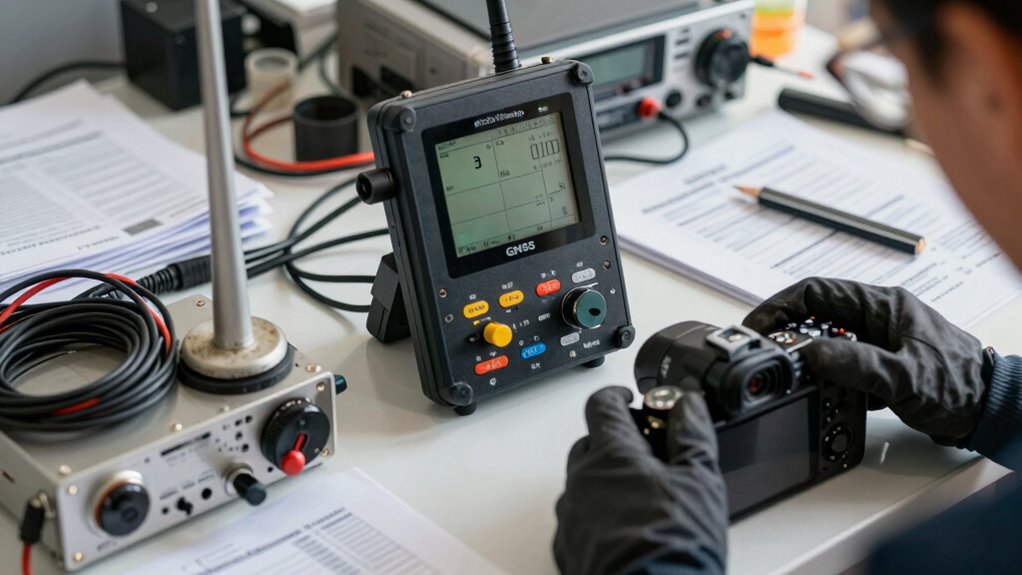
GNSS calibration tools and accessories
As an affiliate, we earn on qualifying purchases.
As an affiliate, we earn on qualifying purchases.
Conclusion
Avoid these common pitfalls when choosing a GNSS base and rover kit, and you’ll be well on your way to accurate, reliable positioning. Do you really want to risk costly mistakes and frustration by rushing your decision? Take the time to research, understand your needs, and select the right equipment. The right investment now will save you headaches later, ensuring your projects stay on track and on time. Are you ready to make smarter, more informed choices?
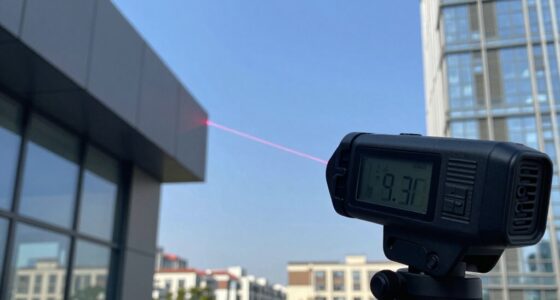
GNSS signal environment assessment device
As an affiliate, we earn on qualifying purchases.
As an affiliate, we earn on qualifying purchases.
As an affiliate, we earn on qualifying purchases.
Fall yard work Picks
leaf blowers
As an affiliate, we earn on qualifying purchases.