In Chinese design philosophy, Feng Shui uses geometric shapes to create harmony and energy flow in spaces. Circles, squares, and triangles each carry specific energetic qualities, influencing stability, movement, and balance. These shapes guide how you arrange rooms and elements to foster well-being, prosperity, and tranquility. Balancing dynamic forms like triangles with softer curves guarantees a vibrant, harmonious environment. Exploring how these shapes shape your space can help you optimize energy—continue exploring to uncover more about this fascinating connection.
Key Takeaways
- Geometric shapes underpin Feng Shui, shaping energy flow and spatial harmony within environments.
- Squares and rectangles symbolize stability, anchoring spaces and promoting security.
- Circles and curves foster softness, fluidity, and relaxation in design.
- Sacred geometry forms like triangles, circles, and squares align with natural energy patterns.
- Thoughtful use of shapes optimizes energy movement, enhancing well-being and environmental balance.
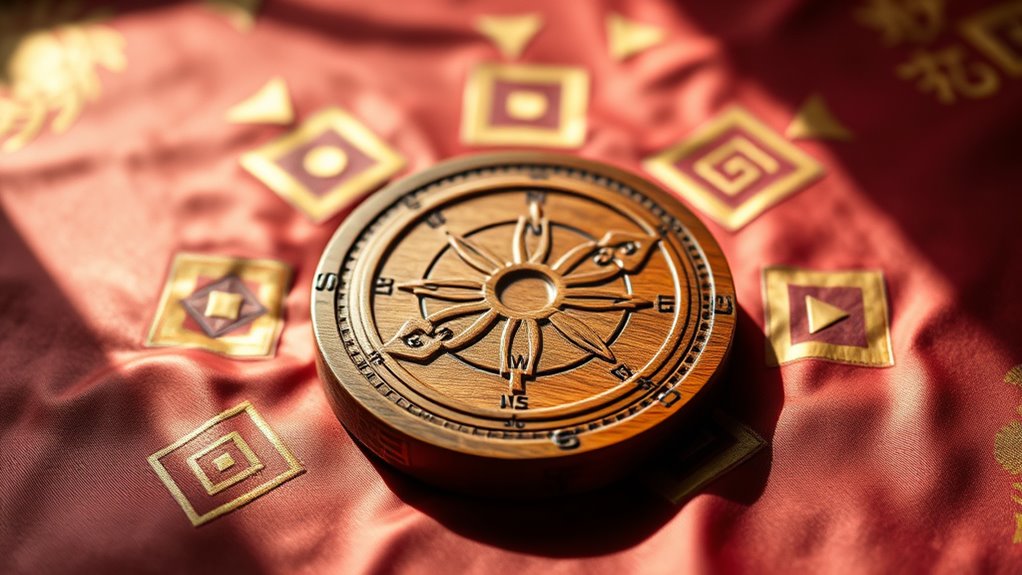
Feng Shui and geometry are deeply interconnected, with geometric principles forming the foundation for creating balanced and harmonious spaces. When you understand how shapes influence the energy flow within a room or environment, you can design spaces that promote well-being and positive vibrancy. Geometry acts as a blueprint for arranging elements in a way that enhances spatial harmony, ensuring that energy moves smoothly rather than becoming stagnant or chaotic. In Feng Shui, every shape, from circles to squares, carries specific energetic qualities that impact the overall atmosphere of a space.
Geometric principles underpin Feng Shui, shaping energy flow and creating balanced, harmonious spaces.
Squares and rectangles are often used because they symbolize stability and order. When you incorporate these shapes into your design, they help anchor the space, creating a sense of security and structure. These shapes facilitate a steady energy flow, preventing chaos and promoting clarity. Conversely, circles and curved lines evoke a sense of softness and fluidity, encouraging a gentle movement of energy that fosters relaxation and openness. By balancing these shapes, you can craft environments that feel inviting and balanced, supporting both activity and tranquility.
Triangles and pointed shapes are more dynamic, often associated with movement and direction. When you use sharp angles or triangular forms, they can energize a space, stimulating mental activity or focus. However, overusing these shapes might create tension or sharp energy, so it’s fundamentally important to balance them with softer, rounder forms. The precise use of geometric shapes guides the eye naturally through a space, directing energy flow in a way that enhances spatial harmony. When you arrange these shapes thoughtfully, they help eliminate stagnant areas where energy could become blocked, ensuring a continuous, vibrant flow.
Furthermore, the principles of sacred geometry—such as the circle, the square, and the triangle—are core to Feng Shui design. These forms are seen as universal symbols that resonate at specific frequencies, influencing how energy flows through a space. When you incorporate these geometric principles into your layout, you’re primarily aligning your environment with natural patterns, fostering a sense of balance and coherence. This alignment allows energy to circulate freely, supporting health, prosperity, and emotional well-being. Recognizing the importance of visual harmony in the arrangement of these shapes can significantly enhance the effectiveness of your design.
In practically, mastering the relationship between shapes and energy flow enables you to create environments that are not only visually appealing but also energetically optimized. Every curve, angle, and line you choose impacts the overall harmony and vitality of the space. By applying geometric principles thoughtfully, you can craft spaces that feel naturally balanced, where energy moves effortlessly, promoting a sense of peace and well-being for everyone who enters.
Frequently Asked Questions
How Do Specific Shapes Influence Energy Flow in Feng Shui?
You can influence energy flow by choosing specific shapes, as they create energy vortexes that boost positive chi. Round shapes symbolize harmony and promote smooth movement, while sharp angles can direct energy more dynamically. Shape symbolism plays a key role, guiding how energy circulates through your space. By strategically incorporating these shapes, you help optimize the flow of life force, enhancing balance and well-being in your environment.
Are Certain Geometric Patterns Considered More Auspicious Than Others?
Yes, certain geometric patterns are considered more auspicious due to their symbolic meanings and cultural symbolism. For instance, the endless knot signifies longevity and eternal love, while the double happiness symbol promotes joy and harmony. You’ll find these patterns incorporated in decor and architecture to attract positive energy. By understanding their cultural symbolism, you can intentionally choose designs that enhance your space’s harmony and good fortune.
How Does Shape Selection Impact the Overall Harmony of a Space?
Choosing the right shapes influences the overall harmony of your space by promoting positive shape symbolism and ensuring spatial balance. When you select shapes like circles or squares, you create a sense of completeness and stability. These shapes guide energy flow smoothly, making your environment feel more harmonious and welcoming. By paying attention to shape symbolism and maintaining spatial balance, you enhance the space’s positive energy and your well-being.
Can Geometric Principles Be Applied to Modern Architecture and Interior Design?
You can definitely apply geometric principles to modern architecture and interior design, creating spaces that resonate with symbolic meanings and evoke a sense of harmony. By thoughtfully incorporating shapes like circles, squares, and triangles, you subtly influence emotions and perceptions. These modern applications honor timeless principles, blending tradition with innovation, and allowing you to craft environments that feel both meaningful and visually mesmerizing, inspiring a deeper connection within every element you design.
What Cultural Variations Exist in the Use of Shapes Within Chinese Design?
You’ll notice that in Chinese design, shapes often reflect regional symbolism and traditional motifs. For example, certain areas emphasize auspicious symbols like dragons or phoenixes, while others highlight nature-inspired forms like clouds or waves. These variations honor local culture, history, and beliefs, making each region’s use of shapes unique. By understanding these cultural differences, you can appreciate how traditional motifs and regional symbolism influence Chinese design aesthetics.
Conclusion
So, next time you ignore the shapes around you, remember Feng Shui’s secret weapon: geometry. Who knew that a simple square or circle could control your destiny, or at least your furniture arrangement? Maybe it’s time to stop blindly throwing things together and start respecting the sacred power of shapes. After all, if your life’s a mess, it’s probably just bad design—unless you prefer chaos over harmony. Your move.