
Artists use algorithms to craft mesmerizing digital art by generating intricate fractal patterns and geometric shapes that repeat at different scales. They manipulate these algorithms to create endless variations, resulting in dynamic visuals that blend math with creativity. This approach allows for precise control and real-time adjustments, producing captivating, evolving artworks. If you keep exploring, you’ll uncover how these innovative techniques push the boundaries of visual expression through technology.
Key Takeaways
- Artists employ algorithms to generate intricate fractal patterns that showcase self-similarity and natural complexity.
- Geometric abstraction techniques are used to simplify images into shapes, creating minimalist and emotionally evocative visuals.
- Algorithms enable the creation of dynamic, evolving visuals through real-time manipulation and animation of geometric forms.
- Mathematical principles are transformed into visual languages, exploring concepts like infinity and form through digital art.
- Digital tools automate complex calculations, allowing artists to experiment with endless variations and precise geometric compositions.
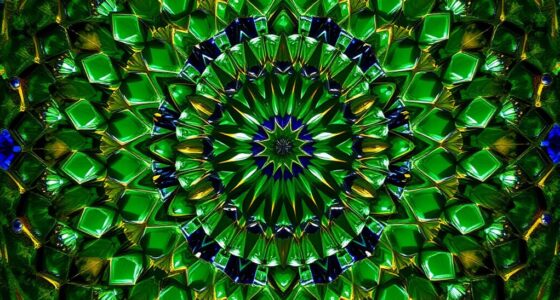
Have you ever wondered how digital art harnesses the principles of geometry to create stunning visuals? It’s fascinating how artists use mathematical concepts to craft intricate designs and compelling images. One key element is fractal patterns, which are self-similar structures that repeat at different scales. These patterns mimic nature’s complexity, appearing in everything from snowflakes to coastlines. When integrated into digital art, fractals generate mesmerizing visuals that captivate viewers with their infinite detail and symmetry. Artists manipulate algorithms to generate these fractal patterns, allowing for endless variations and unique compositions. This process bridges mathematics and creativity, resulting in artwork that feels both organic and precisely calculated. Additionally, understanding the support hours for digital tools can enhance the creative process by ensuring seamless access to resources and updates.
Fractal patterns in digital art reveal nature’s complexity through infinite, self-similar designs generated by mathematical algorithms.
Another way digital artists use geometry is through geometric abstraction. This technique strips down images into basic geometric shapes—circles, squares, triangles—and arranges them in ways that evoke emotion or convey meaning. Geometric abstraction in digital art relies heavily on algorithms that enable precise control over shape, size, and placement. It gives artists the power to create bold, minimalist compositions that challenge viewers’ perceptions. With digital tools, artists can experiment rapidly, adjusting parameters to refine their designs and achieve the perfect balance of form and color. This approach emphasizes the power of digital algorithms to transform simple shapes into complex, dynamic visuals that can evoke a range of feelings, from serenity to chaos.
Digital art’s use of geometry extends beyond static images. Animators and interactive artists leverage these principles to produce dynamic, evolving visuals. For instance, they may animate fractal patterns that continuously morph, creating hypnotic effects that draw viewers in deeper. Similarly, geometric abstraction can be animated to produce pulsating, rhythmically shifting compositions that engage audiences on a visceral level. Algorithms make all this possible, automating complex calculations and enabling real-time adjustments. This fusion of mathematical precision and artistic intuition results in works that feel both meticulously crafted and alive.
In essence, digital art transforms geometry from a mere mathematical concept into a language of visual expression. Whether through fractal patterns that explore infinity or geometric abstraction that emphasizes form and color, artists harness algorithms to push creative boundaries. They turn mathematical principles into tools for innovation, producing work that’s as intellectually stimulating as it is visually stunning. This synergy between math and art continues to evolve, opening new horizons for digital creators passionate to experiment with the endless possibilities geometry offers.
Frequently Asked Questions
How Do Artists Choose Specific Algorithms for Their Projects?
You choose specific algorithms for your projects by considering what visual effects or structures you want to achieve. Your algorithm selection depends on the desired outcome, whether it’s randomness, symmetry, or organic patterns. You often customize these algorithms creatively, tweaking parameters to fit your artistic vision. This process allows you to experiment, ensuring your work reflects your unique style while leveraging the power of algorithms for innovative results.
What Software Tools Are Most Popular for Algorithmic Digital Art?
Think of software tools as your palette, where generative design and creative coding become your brushes. Popular options include Processing, p5.js, and TouchDesigner, each offering unique pathways to bring your algorithms to life. These tools empower you to craft complex patterns and visuals seamlessly. By choosing the right software, you access endless possibilities, transforming abstract code into captivating art that echoes your creative vision and pushes boundaries.
How Do Computational Errors Influence Artistic Creativity?
Computational errors can spark your creativity by introducing random glitch effects and unintended pattern formations, making your artwork more dynamic and unique. When algorithms misfire or produce unexpected results, you might discover new visual elements you hadn’t planned, pushing your artistic boundaries. Embracing these errors allows you to explore spontaneity, turning technical glitches into compelling features that add depth and originality to your digital pieces.
Can Beginners Easily Learn Algorithmic Art Techniques?
Absolutely, beginners can learn algorithmic art techniques easily. Think of it like learning to ride a bike: start with basic programming fundamentals, then gradually explore creative ideas. Many online tutorials simplify programming basics, making creative exploration accessible. Just like assembling a puzzle, each piece builds your skills, and with practice, you’ll create stunning digital art that combines logic and imagination effortlessly.
How Does Algorithmic Art Impact Traditional Art Markets?
Algorithmic art influences traditional art markets by shifting market influence and sparking new collector interest. You might notice more digital pieces gaining value and attracting tech-savvy collectors, which challenges conventional art valuations. This fusion of technology and creativity encourages collectors to explore innovative artworks, expanding market diversity. As a result, algorithmic art can elevate both new and established artists, ultimately reshaping how traditional art markets operate and grow.
Conclusion
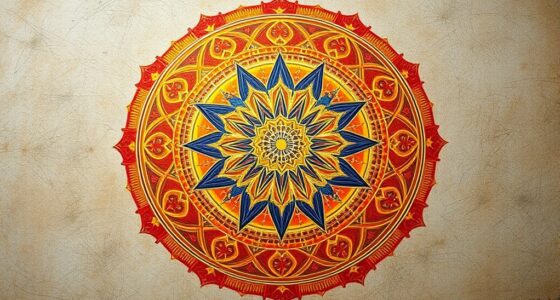
As you explore digital art and geometry, you’ll see how algorithms open endless creative possibilities. Imagine designing a swirling, intricate mandala that evolves with every click, blending mathematics and artistry seamlessly. Just like the artist who used fractal algorithms to generate mesmerizing landscapes, you can harness these tools to craft your own stunning, unique visuals. Embrace the fusion of code and creativity—your digital canvas awaits your innovative touch.