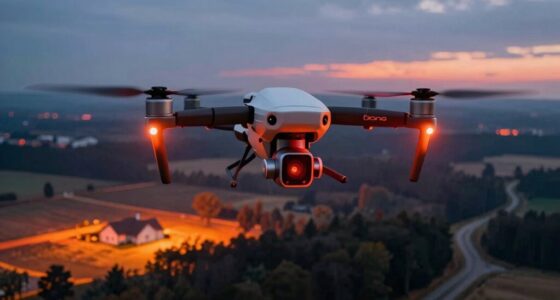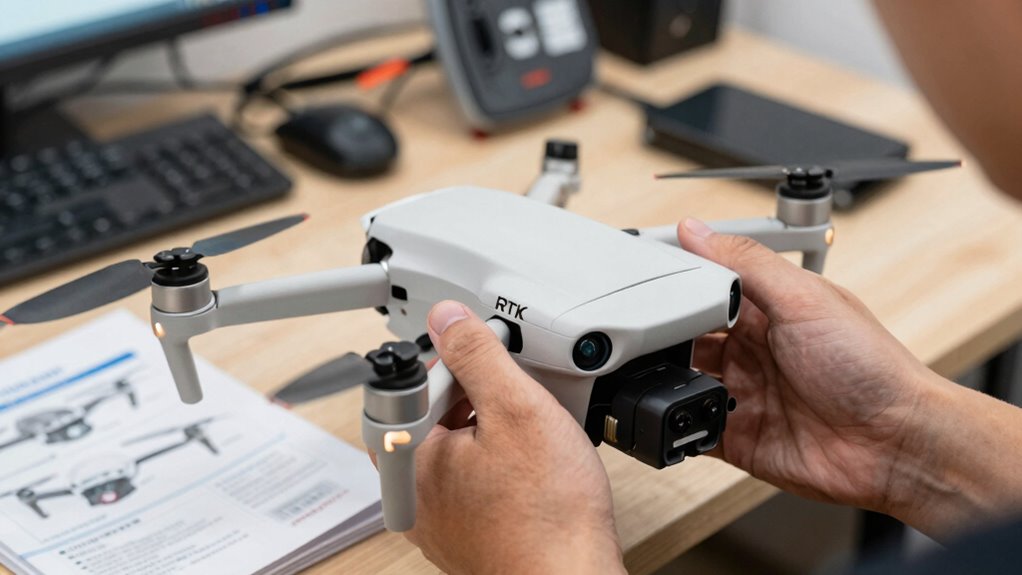

When buying RTK drones, you might overlook important factors like proper maintenance, regulatory compliance, and selecting the right drone for your specific project needs. Many forget that regular upkeep and understanding local laws are essential for safe, efficient operation. Choosing a drone based only on specs without considering ongoing support or training can lead to issues later. If you keep these mistakes in mind, you’ll be better equipped for a smart purchase—cleaning up common pitfalls along the way.

Get school and study supplies delivered free — and shop member deals
- Fast, free delivery on millions of items
- Access to Prime Big Deal Days deals on October 6–7
- Prime Video, Amazon Music and more included
Key Takeaways
- Failing to assess specific project needs, leading to selecting drones with inadequate features or capabilities.
- Overlooking the importance of proper training and support for effective drone operation.
- Ignoring regulatory compliance requirements, risking fines or legal issues.
- Neglecting routine maintenance, which can cause performance issues and hardware failure.
- Choosing drones based solely on specs or camera quality without considering operational fit and durability.
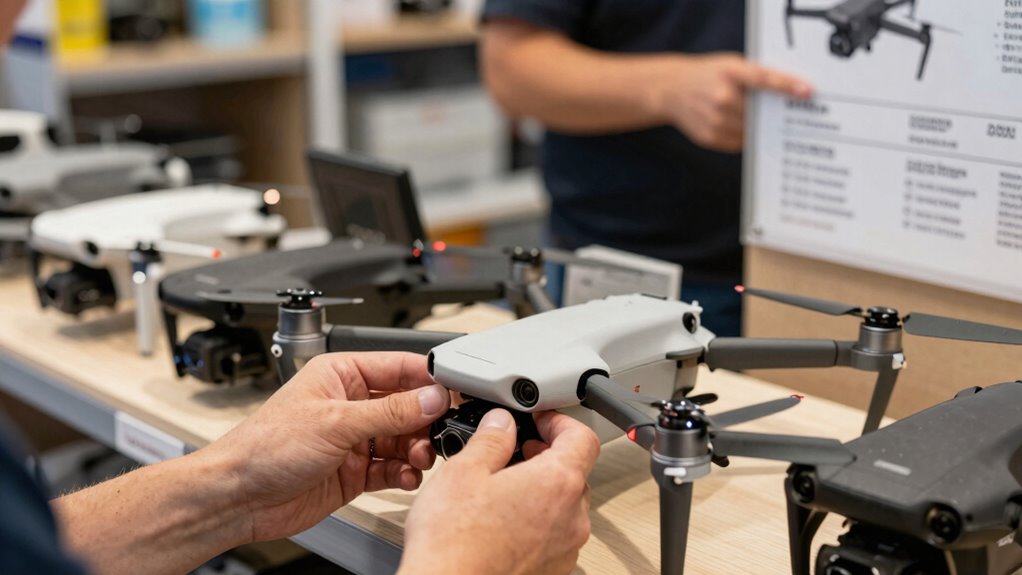
Purchasing an RTK drone can considerably enhance your surveying and mapping capabilities, but many buyers make common mistakes that can lead to costly setbacks. One of the biggest pitfalls is overlooking the importance of drone maintenance. You might be tempted to focus solely on the drone’s specs or camera quality, but neglecting regular upkeep can cause performance issues down the line. Proper drone maintenance involves routine checks of the propellers, batteries, GPS modules, and sensors to guarantee everything functions smoothly. Ignoring these steps can result in unpredictable flight behavior, inaccurate data collection, or even hardware failure, which could jeopardize your projects and inflate costs. Staying proactive with maintenance also helps extend your drone’s lifespan, ultimately saving you money in the long run. Additionally, understanding drone regulations specific to your area is crucial to ensure safe and legal operation.
Regular maintenance of propellers, batteries, and sensors ensures reliable performance and extends your drone’s lifespan.
Another mistake often made is neglecting regulatory compliance. Many buyers assume that since drones are widely used, they can fly freely without understanding local laws. This oversight can lead to hefty fines, project delays, or legal trouble. Before making a purchase, you need to familiarize yourself with the rules governing drone operation in your area—this includes registration requirements, no-fly zones, altitude restrictions, and pilot certification if necessary. Investing time in understanding these regulations before flying ensures you stay compliant and avoid unnecessary penalties. Additionally, regulatory compliance isn’t just about avoiding trouble; it’s also about operating safely and ethically, which protects your reputation and that of your business.
Choosing a drone without considering your specific needs is another common mistake. Not all RTK drones are suitable for every application. For example, if you’re primarily doing small-scale surveys, a compact model with shorter flight times might suffice. But if you’re working on large construction sites or extensive topographical mapping, you’ll need a drone with longer battery life, higher payload capacity, and more advanced RTK accuracy. Failing to align your drone choice with your project requirements can result in inefficiencies, increased costs, and frustration. Take the time to evaluate your operational needs and select a drone that matches those demands.
Finally, some buyers overlook the importance of training and support. Even the most advanced RTK drone requires proper operator knowledge. Without adequate training, you risk mishandling the drone, which can compromise data quality and even cause crashes. Additionally, choosing a supplier or manufacturer that offers reliable customer support can save you a lot of trouble if issues arise. Investing in training and support upfront ensures you can operate your drone confidently and troubleshoot problems effectively, maximizing your investment and ensuring smooth project execution.
As an affiliate, we earn on qualifying purchases.
Frequently Asked Questions
What Is the Typical Lifespan of an RTK Drone?
An RTK drone typically lasts 2 to 5 years, depending on usage and maintenance. You should monitor the battery lifespan, as frequent charging and discharging can reduce it. Signal interference can also impact performance and longevity, so guarantee you operate it in areas with minimal interference. Proper care, regular updates, and cautious handling can extend your drone’s lifespan, helping you get the most out of your investment.
How Do Weather Conditions Affect RTK Drone Accuracy?
Like a sailor steering through foggy seas, you’ll find weather interference and signal degradation challenge your RTK drone’s accuracy. Wind, rain, and snow can destabilize the drone, while storms and temperature fluctuations interfere with satellite signals. These conditions reduce precision, making data less reliable. To maintain accuracy, you should monitor weather forecasts, choose ideal flying windows, and consider environmental factors that threaten signal stability and drone performance.
Are There Legal Restrictions for RTK Drone Usage?
Yes, there are legal restrictions for RTK drone usage. You need to guarantee legal compliance by following local regulations, which often include registration requirements for your drone. Check with your country’s aviation authority to understand specific rules, such as where you can fly, altitude limits, and privacy laws. Staying informed and registering your drone properly helps you avoid penalties and ensures safe, legal operation of your RTK drone.
What Maintenance Is Required for RTK Drone Components?
You need to regularly calibrate your RTK drone’s battery and inspect the propellers. For example, after a long flight, you might notice slightly reduced battery performance, so recalibrate it to verify accurate readings. Additionally, inspect the propellers for cracks or damage before each flight to prevent crashes. Proper maintenance keeps your drone flying smoothly, extends its lifespan, and ensures precise RTK positioning during your missions.
Can RTK Drones Be Used Indoors Effectively?
RTK drones aren’t ideal for indoor use because indoor navigation relies heavily on GPS signals, which are often weak or unavailable indoors. Signal interference from walls and electronic devices can disrupt communication, causing navigation issues. If you need to operate indoors, consider drones with advanced obstacle avoidance and alternative positioning systems like visual or infrared sensors. These features help maintain stability despite challenging indoor environments.
drone registration and compliance guide
As an affiliate, we earn on qualifying purchases.
As an affiliate, we earn on qualifying purchases.
Conclusion
Don’t let intimidating decisions deliver disappointment. By dodging these common mistakes, you’ll confidently choose the perfect RTK drone that meets your needs. Remember to research, review, and resist rushing. With a little patience and preparation, you’ll enjoy accurate aerial adventures and avoid costly errors. Stay savvy, stay smart, and soar smoothly into your drone endeavors—success is just a few informed choices away!
professional surveying drone with RTK
As an affiliate, we earn on qualifying purchases.
As an affiliate, we earn on qualifying purchases.
drone training and support courses
As an affiliate, we earn on qualifying purchases.
As an affiliate, we earn on qualifying purchases.
Halloween Picks
halloween
As an affiliate, we earn on qualifying purchases.