The best USB microcontroller development boards pair a convenient USB connection with the right chip, software support, and pins for your project. My best overall pick is the Arduino Nano ESP32 for its compact format and wireless capabilities; the Waveshare RP2350 USB Mini stands out for a small RP2350-based design, while the Freenove ESP32-S3 kit suits buyers who want a fuller starter package. The main tradeoffs are wireless features versus simpler USB projects, board size versus accessible connections, and beginner-friendly support versus lower-cost or more specialized designs. USB-C is convenient, but connector type alone does not tell you whether a board supports USB device features or offers the right programming workflow. Continue reading for the full breakdown of all 15 options and guidance on choosing by project, skill level, and setup.

Prime made for students and young adults
- Fast, free delivery for dorm and study essentials
- Prime Video and Amazon Music included
- Member-only deals
Key Takeaways
- The lineup splits into three useful groups: ESP32 boards for built-in wireless, RP2350 boards for compact USB-focused projects, and ATmega boards for straightforward Arduino-style control.
- The Arduino Nano ESP32 is the most balanced pick when wireless connectivity, a compact board, and a familiar development ecosystem matter more than the simplest possible setup.
- Waveshare’s RP2350 USB Mini boards favor compactness, while their USB-A and USB-C connectors affect physical compatibility rather than automatically changing the board’s core role.
- Pro Micro ATmega32U4 boards are aimed at USB input projects such as custom keyboards and controllers; the three-packs from FORIOT and Teyleten Robot make sense when several matching builds are planned.
- Multi-board ESP32 packs and UNO-style boards solve different value problems: ESP32 packs support repeated wireless builds, while UNO R3 options offer a more familiar, accessible format for basic learning.
| M5Stack AtomS3U ESP32-S3 Development Kit with USB-A |  | Best for Compact USB-Capable Projects | Microcontroller: ESP32-S3FN8 | Processor: Dual-core Xtensa LX7, 240 MHz | Connectivity: USB, Wi-Fi, infrared | VIEW LATEST PRICE | See Our Full Breakdown |
| AITRIP ESP32 ESP-WROOM-32 Development Board with USB-C | 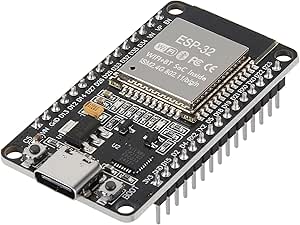 | Best for Broad Wireless I/O | Module: ESP-WROOM-32 | Processor: Dual-core 32-bit, 240 MHz | USB interface: USB-C | VIEW LATEST PRICE | See Our Full Breakdown |
| FORIOT Pro Micro ATmega32U4 Type-C Development Board, 16 MHz, with Pin Headers, 3-Pack |  | Best for Space-Constrained Arduino Builds | Processor: ATmega32U4, 16 MHz | USB interface: Type-C | Digital I/O: 9 pins; 5 support PWM | VIEW LATEST PRICE | See Our Full Breakdown |
| Waveshare RP2350 USB Mini Development Board |  | Best for USB Host and Custom Carrier Designs | Microcontroller: Raspberry Pi RP2350A | Processor: Dual-core Arm Cortex-M33 and dual-core Hazard3 RISC-V | Maximum clock speed: 150 MHz | VIEW LATEST PRICE | See Our Full Breakdown |
| Teyleten Robot Pro Micro ATmega32U4 Development Board, USB-C, 5V/16MHz, 3-Pack |  | Best Value for Compact 5V Prototyping | Processor: ATmega32U4 | Operating voltage and speed: 5 V; 16 MHz | USB interface: USB-C | VIEW LATEST PRICE | See Our Full Breakdown |
| RP2350-USB-C Microcontroller Development Board |  | Best for Flexible Embedded Projects | Microcontroller: Raspberry Pi RP2350A (A4) | Processor: Dual-core ARM Cortex-M33 or dual Hazard3 RISC-V | Maximum clock speed: 150 MHz | VIEW LATEST PRICE | See Our Full Breakdown |
| ESP32 ESP-WROOM-32 Development Boards with Wi-Fi and Bluetooth (3-Pack) |  | Best Multi-Board Value for Wireless Prototyping | Quantity: 3 boards | Processor: Dual-core Tensilica LX6 | Processor speed: Up to 240 MHz | VIEW LATEST PRICE | See Our Full Breakdown |
| Leonardo R3 ATmega32U4 Microcontroller Development Board |  | Best for Classic Arduino-Style Projects | Microcontroller: ATmega32U4 | Operating frequency: 16 MHz | Digital I/O: 20 pins, including 7 PWM | VIEW LATEST PRICE | See Our Full Breakdown |
| Arduino Nano ESP32 with Headers (ABX00083) |  | Best for Compact Wireless and HID Builds | Processor: ESP32-S3 dual-core Xtensa 32-bit LX7 | Processor speed: Up to 240 MHz | Memory storage capacity: 4 MB | VIEW LATEST PRICE | See Our Full Breakdown |
| KEYESTUDIO UNO R3 ATmega328P Development Board with USB Cable |  | Best for Repairable UNO R3 Learning | Microcontroller: ATmega328P-PU | USB-to-serial chip: CP2102 | Flash memory: 32 KB (0.5 KB used by bootloader) | VIEW LATEST PRICE | See Our Full Breakdown |
| Waveshare RP2350-USB-A Mini Development Board |  | Best Compact USB-A Pick | Microcontroller: Raspberry Pi RP2350A | Processor: Dual-core Arm Cortex-M33 and dual-core Hazard3 RISC-V | Maximum clock speed: 150 MHz | VIEW LATEST PRICE | See Our Full Breakdown |
| Freenove ESP32-S3 Development Board Kit, 8 MB Flash |  | Best for Wireless Learning Projects | Processor: Dual-core 32-bit ESP32-S3 | Maximum processor speed: 240 MHz | Flash: 8 MB | VIEW LATEST PRICE | See Our Full Breakdown |
| ELEGOO UNO R3 Microcontroller Board with USB Cable |  | Best for Beginner Wiring | Microcontroller: ATmega328P | USB interface: ATmega16U2 | Clock speed: 16 MHz | VIEW LATEST PRICE | See Our Full Breakdown |
| ELEGOO ESP32 Development Boards, 3-Pack, ESP-WROOM-32, USB-C, Wi-Fi and Bluetooth 4.2 |  | Best Multi-Board Value | Quantity: 3 boards | Module: ESP-WROOM-32 | Processor: Espressif dual-core, up to 240 MHz | VIEW LATEST PRICE | See Our Full Breakdown |
| Waveshare RP2350A USB Mini Development Board |  | Best for Custom USB Integration | Microcontroller: Raspberry Pi RP2350A | Processor: Dual-core Arm Cortex-M33 and dual-core Hazard3 RISC-V | Maximum clock speed: 150 MHz | VIEW LATEST PRICE | See Our Full Breakdown |
| USB microcontroller development board | Processor | Microcontroller |
|---|---|---|
| M5Stack AtomS3U ESP32-S3 Devel | Dual-core Xtensa LX7, 240 MHz | ESP32-S3FN8 |
| AITRIP ESP32 ESP-WROOM-32 Deve | Dual-core 32-bit, 240 MHz | — |
| FORIOT Pro Micro ATmega32U4 Ty | ATmega32U4, 16 MHz | — |
| Waveshare RP2350 USB Mini Deve | Dual-core Arm Cortex-M33 and dual-core Hazard3 RISC-V | Raspberry Pi RP2350A |
| Teyleten Robot Pro Micro ATmeg | ATmega32U4 | — |
| RP2350-USB-C Microcontroller D | Dual-core ARM Cortex-M33 or dual Hazard3 RISC-V | Raspberry Pi RP2350A (A4) |
| ESP32 ESP-WROOM-32 Development | Dual-core Tensilica LX6 | — |
| Leonardo R3 ATmega32U4 Microco | — | ATmega32U4 |
| Arduino Nano ESP32 with Header | ESP32-S3 dual-core Xtensa 32-bit LX7 | — |
| KEYESTUDIO UNO R3 ATmega328P D | — | ATmega328P-PU |
| Waveshare RP2350-USB-A Mini De | Dual-core Arm Cortex-M33 and dual-core Hazard3 RISC-V | Raspberry Pi RP2350A |
| Freenove ESP32-S3 Development | Dual-core 32-bit ESP32-S3 | — |
| ELEGOO UNO R3 Microcontroller | — | ATmega328P |
| ELEGOO ESP32 Development Board | Espressif dual-core, up to 240 MHz | — |
| Waveshare RP2350A USB Mini Dev | Dual-core Arm Cortex-M33 and dual-core Hazard3 RISC-V | Raspberry Pi RP2350A |
More Details on Our Top Picks
M5Stack AtomS3U ESP32-S3 Development Kit with USB-A
The AtomS3U pairs a small-format ESP32-S3 with USB OTG, Wi-Fi, and built-in controls, making it a strong fit when a project needs more than a bare microcontroller. Its Grove port and 6-pin header provide expansion options without taking up the space of a larger general-purpose board, while the RGB LEDs, buttons, and infrared emitter can support interactive or remote-control builds. Compared with the AITRIP ESP32 ESP-WROOM-32, this board offers a more integrated, compact setup but fewer exposed I/O connections. It also supports MicroPython as well as Arduino, which makes it flexible for different workflows. The tradeoff is that expansion depends on compatible Grove accessories or the compact header, so it is less convenient for projects that need many directly accessible pins.
Pros:- Dual-core ESP32-S3 runs at 240 MHz and includes Wi-Fi.
- USB OTG adds USB device and host possibilities.
- Grove port and 6-pin header support external modules.
- Onboard RGB LEDs, buttons, and infrared emitter enable interactive builds.
Cons:- Compact expansion layout can require compatible Grove devices or accessories.
- Fewer exposed connections may limit projects needing many GPIO pins.
Best for: Makers building compact Wi-Fi projects that benefit from USB OTG, onboard controls, and Grove-compatible add-ons.
Not ideal for: Beginners who want many easy-to-access GPIO pins for breadboard wiring or projects that need broad expansion without extra accessories.
- Microcontroller:ESP32-S3FN8
- Processor:Dual-core Xtensa LX7, 240 MHz
- Connectivity:USB, Wi-Fi, infrared
- USB OTG:Supported
- Expansion:Grove port; 6-pin 2.54 mm header
- Integrated peripherals:Programmable RGB LEDs, buttons, infrared emitter
- Supported platforms:MicroPython, Arduino
Our verdict“Choose the AtomS3U for a compact ESP32-S3 build with onboard controls and USB OTG; choose the AITRIP board if accessible I/O matters more.”
AITRIP ESP32 ESP-WROOM-32 Development Board with USB-C
The AITRIP ESP32 is the more versatile choice for builds that need wireless communication and a wide mix of interfaces on one board. Its ESP-WROOM-32 combines 2.4 GHz Wi-Fi and Bluetooth with UART, SPI, I2C, PWM, ADC, and DAC support, so one board can connect sensors, actuators, and wireless services without leaning on add-on modules for every function. The 30-pin layout exposes 22 I/O ports, giving it more direct wiring flexibility than the compact M5Stack AtomS3U. USB-C and dedicated reset and programming-mode buttons also make setup less fiddly. The cost of that flexibility is a larger, less integrated board: it lacks the AtomS3U’s built-in RGB LEDs and infrared emitter, and its pin power input is limited to 5–12 V.
Pros:- Built-in 2.4 GHz Wi-Fi and Bluetooth support wireless projects.
- Broad UART, SPI, I2C, PWM, ADC, and DAC interface selection.
- USB-C connection and reset and programming-mode buttons simplify setup.
- Provides 22 I/O ports across its 30-pin layout.
Cons:- Pin power input is limited to 5–12 V.
- Does not include the AtomS3U’s onboard RGB LEDs, buttons, or infrared emitter.
Best for: Makers developing Wi-Fi or Bluetooth projects that need multiple wired interfaces, analog inputs, and accessible I/O.
Not ideal for: Builders seeking a tiny board with onboard user controls, or projects that require an unregulated supply above the stated 12 V pin-input limit.
- Module:ESP-WROOM-32
- Processor:Dual-core 32-bit, 240 MHz
- USB interface:USB-C
- USB-to-serial chip:CP2102
- Pins and I/O:30 pins; 22 I/O ports
- Wireless:2.4 GHz Wi-Fi and Bluetooth
- Interfaces:UART, SPI, SDIO, I2C, PWM, I2S, IR, ADC, DAC
- Power input:USB 5 V; pin input 5–12 V
Our verdict“Pick the AITRIP for a flexible wireless development board with many interfaces, but favor the AtomS3U when a compact board with built-in controls is the priority.”
FORIOT Pro Micro ATmega32U4 Type-C Development Board, 16 MHz, with Pin Headers, 3-Pack
The FORIOT Pro Micro favors compactness and straightforward Arduino compatibility over the speed and wireless features of the ESP32 boards in this roundup. At 34 × 18 mm, it fits projects where a standard development board would be awkward, and its built-in USB Type-C connection removes the need for a separate USB-to-serial converter. The ATmega32U4 supports digital and analog I/O plus UART, I2C, and SPI, making it suitable for small controllers and peripherals. Unlike the Teyleten Robot Pro Micro, this listing specifies 9 digital I/O pins and 4 analog inputs, so check the pin count against your wiring plan rather than assuming the two variants are interchangeable. The 16 MHz processor and limited I/O are real constraints, but the three-board pack is useful for repeat builds or spares.
Pros:- Compact 34 × 18 mm board fits space-limited builds.
- Built-in USB Type-C avoids a separate USB-to-serial converter.
- Supports UART, I2C, and SPI communication.
- Three boards and included pin headers suit repeat builds.
Cons:- Only 9 digital I/O pins and 4 analog inputs are specified.
- 16 MHz ATmega32U4 is less capable for demanding processing than the ESP32 options.
- No onboard Wi-Fi or Bluetooth is listed.
Best for: Arduino users making small USB-connected controllers, compact peripherals, or repeat projects that can work within 9 digital I/O pins.
Not ideal for: Builders who need Wi-Fi, Bluetooth, high processing throughput, or a large number of directly available I/O pins.
- Processor:ATmega32U4, 16 MHz
- USB interface:Type-C
- Digital I/O:9 pins; 5 support PWM
- Analog inputs:4
- Communication:UART, I2C, SPI
- Power input:3.3 V or 5 V
- Dimensions:34 × 18 mm
- Compatibility and package:Arduino IDE; 3 boards with pin headers
Our verdict“Choose this three-pack for compact Arduino projects with modest I/O needs; pick an ESP32 board if wireless connectivity or greater processing capacity is required.”
Waveshare RP2350 USB Mini Development Board
The Waveshare RP2350 USB Mini stands apart from the ESP32 and ATmega32U4 boards here by combining USB host and device support with a castellated design intended for direct soldering to a carrier board. Its RP2350A offers dual-core Arm Cortex-M33 and Hazard3 RISC-V processor architectures, plus programmable I/O that can help implement custom peripheral behavior. The USB Type-A expansion port gives this tiny board a distinctive route to connecting USB hardware, while its GPIO, ADC, SPI, I2C, and UART resources serve embedded designs. Compared with the AtomS3U, it emphasizes carrier integration and USB flexibility rather than onboard buttons, LEDs, or Wi-Fi. Its 520 KB SRAM and 2 MB flash are modest, and the listed USB support is USB 1.1, so it is not the pick for memory-heavy or high-throughput USB work.
Pros:- Supports USB 1.1 host and device operation.
- USB Type-A expansion port enables connection to USB hardware.
- Castellated edges support direct soldering to a carrier board.
- Includes 15 multifunction GPIO pins and 12 PIO state machines.
Cons:- 520 KB SRAM and 2 MB flash limit room for memory-heavy applications.
- USB is specified as USB 1.1, despite the expansion port’s USB 2.0/1.1 compatibility listing.
- No onboard Wi-Fi or Bluetooth is listed.
Best for: Embedded developers designing a custom carrier board or experimenting with USB host and device functions on a compact module.
Not ideal for: Beginners seeking an out-of-the-box wireless board with onboard controls, or projects needing substantial memory or high-speed USB.
- Microcontroller:Raspberry Pi RP2350A
- Processor:Dual-core Arm Cortex-M33 and dual-core Hazard3 RISC-V
- Maximum clock speed:150 MHz
- Memory:520 KB SRAM; 2 MB flash
- GPIO:15 multifunction pins
- Interfaces:2 SPI, 2 I2C, 2 UART
- USB:USB 1.1 host and device; USB Type-A expansion port
- Board mounting:Castellated module for direct soldering to carrier boards
Our verdict“Choose this Waveshare board for carrier-mounted designs that need USB host features; choose the AtomS3U for a more self-contained wireless development board.”
Teyleten Robot Pro Micro ATmega32U4 Development Board, USB-C, 5V/16MHz, 3-Pack
The Teyleten Robot Pro Micro is a practical choice for small, 5 V Arduino-style projects that need more listed digital I/O than the FORIOT Pro Micro offers. It provides 12 digital I/O pins, four 10-bit ADC inputs, five PWM-capable pins, and hardware Rx/Tx connections, all in a compact ATmega32U4 board with USB-C programming. The three-board package suits repeated prototypes or projects that benefit from having spare units. Compared with the AITRIP ESP32, it gives up Wi-Fi, Bluetooth, and the ESP32’s broader processing headroom in exchange for a simpler 5 V microcontroller setup. Power handling needs care: unregulated input belongs on RAW, and the recommended supply is 6–7 V and below 9 V. That makes it a less forgiving choice for casual power-source swapping.
Pros:- 12 digital I/O pins, including 5 PWM-capable pins.
- Four 10-bit ADC inputs and hardware Rx/Tx serial connections.
- USB-C supports programming without a separate USB interface.
- Three-board package supports repeat prototypes or spares.
Cons:- Recommended power supply is 6–7 V and should remain below 9 V.
- Unregulated power must connect to RAW rather than VCC.
- ATmega32U4 lacks the Wi-Fi and Bluetooth built into the AITRIP ESP32.
Best for: Makers building compact 5 V controllers who want a three-board supply, hardware serial, and PWM outputs.
Not ideal for: Developers who need wireless connectivity, a higher-speed processor, or flexible power input beyond the stated RAW-pin guidance.
- Processor:ATmega32U4
- Operating voltage and speed:5 V; 16 MHz
- USB interface:USB-C
- ADC inputs:4 × 10-bit
- Digital I/O:12 pins; 5 PWM-capable
- Serial connections:Hardware Rx and Tx
- Recommended power supply:6–7 V; below 9 V
- Package quantity:3 boards
Our verdict“Pick the Teyleten Robot three-pack for compact 5 V projects needing more I/O than the FORIOT board, but choose an ESP32 when wireless features matter.”
RP2350-USB-C Microcontroller Development Board
The RP2350-USB-C stands out for combining a choice of dual ARM Cortex-M33 or dual Hazard3 RISC-V cores with unusually adaptable I/O for a compact board. Its 12 PIO state machines can handle custom interface tasks, while USB device and host support gives projects more options than the basic programming connection on the Leonardo R3. With C/C++, MicroPython, and Arduino support, it also suits builders who want room to change tools as a project grows.
The tradeoff is that its 15 GPIO pins and single USB port leave less room for wiring and peripherals than the ESP32 ESP-WROOM-32 three-pack. Castellated edges favor carrier-board integration over convenient breadboard use, and the listed USB-C adapter compatibility is limited to PD-only adapters. I’d choose it for compact custom hardware, not for the simplest plug-and-play beginner setup.
Pros:- Offers dual ARM Cortex-M33 or dual Hazard3 RISC-V core options.
- 12 PIO state machines support custom digital interfaces.
- USB device and host support, plus USB-C connectivity.
- Castellated edges suit soldering onto a custom carrier.
Cons:- Only 15 multifunction GPIO pins are provided.
- A single USB port limits simultaneous connection options.
- USB-C power adapter compatibility is limited to PD-only adapters.
Best for: Embedded developers who want to experiment with ARM and RISC-V cores, custom PIO interfaces, or a soldered carrier-board design.
Not ideal for: Beginners who want generous breadboard access or builders who need multiple USB connections on the board.
- Microcontroller:Raspberry Pi RP2350A (A4)
- Processor:Dual-core ARM Cortex-M33 or dual Hazard3 RISC-V
- Maximum clock speed:150 MHz
- RAM:520 KB
- Flash:2 MB
- USB:USB 1.1 device and host; USB-C port
- GPIO:15 multifunction pins
- Interfaces and I/O:2 SPI, 2 I2C, 2 UART, 4 × 12-bit ADC channels, 14 PWM channels
- Board features:12 PIO state machines, castellated module, onboard PIO-USB and RGB, temperature sensor
Our verdict“Choose this board for flexible, compact embedded designs where selectable core architecture and PIO matter more than easy breadboard expansion.”
ESP32 ESP-WROOM-32 Development Boards with Wi-Fi and Bluetooth (3-Pack)
This three-board ESP32 pack is the lineup’s practical choice for building several connected prototypes at once. Each board pairs a dual-core processor running up to 240 MHz with 2.4 GHz Wi-Fi and Bluetooth Classic and LE, so a project can serve a local network, join a router, or use a Bluetooth link without an added radio module. Reset and boot buttons also make firmware installation more approachable than on boards that rely on less obvious startup procedures.
Compared with the Arduino Nano ESP32, this pack gives you three boards rather than one, but its product data leaves the 30- or 36-pin configuration unclear. That uncertainty can complicate wiring plans and accessory selection. The Nano ESP32 lists Bluetooth 5.0 and HID support, while this model’s wireless standards and network modes are broader in description but less specific on newer features. I’d pick it for parallel Wi-Fi experiments, not when exact pin mapping is a hard requirement.
Pros:- Three boards support parallel prototypes or classroom projects.
- Built-in 2.4 GHz Wi-Fi and Bluetooth Classic and LE.
- Dual-core processor runs at up to 240 MHz.
- Reset and boot buttons simplify firmware installation.
Cons:- Product data lists either 30 or 36 pins, leaving the exact configuration unclear.
- The description specifies Arduino IDE compatibility but not support for other development environments.
- Wireless connectivity is limited to 2.4 GHz Wi-Fi.
Best for: Makers teaching or prototyping several Wi-Fi and Bluetooth projects who want three boards with Arduino IDE compatibility.
Not ideal for: Builders who need a confirmed pin count before choosing shields, wiring layouts, or a fixed enclosure.
- Quantity:3 boards
- Processor:Dual-core Tensilica LX6
- Processor speed:Up to 240 MHz
- Memory:512 KB SRAM
- Wireless connectivity:2.4 GHz Wi-Fi 802.11b/g/n; Bluetooth Classic and LE
- Network modes:AP, STA, AP+STA
- Interfaces:ADC, DAC, UART, SPI, I2C, capacitive touch
- Pin configuration:Listed as 30 or 36 pins
- Compatibility:Arduino IDE
Our verdict“Choose this pack when multiple wireless prototypes matter more than having a clearly specified pin layout or the Nano ESP32’s listed Bluetooth 5.0 and HID features.”
Leonardo R3 ATmega32U4 Microcontroller Development Board
The Leonardo R3 is the straightforward pick for projects built around familiar Arduino-style I/O rather than wireless connectivity or high processing capacity. Its ATmega32U4 runs at 16 MHz and offers 20 digital pins, six analog inputs, and seven PWM outputs, giving simple sensor, motor, and control projects a useful spread of connections. USB-C handles programming and power, while the 7–12V external input can suit a standalone installation.
Compared with the KEYESTUDIO UNO R3, the Leonardo offers more digital I/O and a USB-C connector, while the KEYESTUDIO adds a socketed microcontroller that can be replaced. Neither is a match for the wireless features or speed of the ESP32 ESP-WROOM-32 boards. The Leonardo’s 2.5 KB of RAM also limits larger programs, and its Arduino IDE setup requires selecting the matching board type. The listed operating temperature range is narrow, so I’d avoid assuming it suits harsher environments.
Pros:- 20 digital I/O pins, including seven PWM pins.
- Six analog inputs support a range of sensor projects.
- USB Type-C supports programming and power.
- 7–12V external input allows standalone project power.
Cons:- The 16 MHz processor and 2.5 KB RAM limit more demanding projects.
- Arduino IDE use requires selecting the matching board type.
- The listed operating temperature range is -10°C to 30°C.
Best for: Arduino learners and DIY builders making modest wired projects with buttons, sensors, and PWM-controlled components.
Not ideal for: Developers who need Wi-Fi, Bluetooth, substantial memory, or a broad stated operating-temperature range.
- Microcontroller:ATmega32U4
- Operating frequency:16 MHz
- Digital I/O:20 pins, including 7 PWM
- Analog inputs:6
- Interfaces:UART, GPIO, ADC, PWM, SPI, I2C
- USB connector:USB Type-C
- External input voltage:7–12V
- Installed RAM:2.5 KB
- Dimensions:2.69 × 2.07 × 0.39 in
Our verdict“Choose the Leonardo R3 for uncomplicated, wired Arduino projects that benefit from abundant I/O and USB-C rather than wireless connectivity or extra computing headroom.”
Arduino Nano ESP32 with Headers (ABX00083)
The Arduino Nano ESP32 pairs a dual-core ESP32-S3 running up to 240 MHz with Wi-Fi, Bluetooth 5.0, and USB-C, making it a capable route into connected projects without stepping up to a larger board format. Its listed HID support gives it a distinct role for USB input-device projects, while MicroPython support broadens its appeal beyond Arduino-oriented workflows. Compared with the Leonardo R3, it adds wireless connectivity and far more processing headroom, at the cost of the Leonardo’s clearly itemized analog and digital pin counts.
This is a better fit for a single, compact IoT or USB-peripheral build than the ESP32 ESP-WROOM-32 three-pack, which supplies more boards for parallel experiments. The Nano’s product data lists 4 MB of storage but does not specify a RAM capacity or GPIO count, so I would check those details against a project’s wiring and memory needs before committing. It is a development board, not a finished connected device: sensors and other components still need to be added.
Pros:- Dual-core ESP32-S3 processor runs at up to 240 MHz.
- Wi-Fi and Bluetooth 5.0 are built in.
- USB-C supports programming and power.
- Supports MicroPython and HID applications.
Cons:- Product data does not state RAM capacity or GPIO count.
- A single board is less suited to parallel prototyping than the ESP32 three-pack.
- Connected projects still require suitable external components and programming.
Best for: Makers building one compact Wi-Fi or Bluetooth project, especially a USB HID device or a MicroPython prototype.
Not ideal for: Buyers who need a specified GPIO count, documented RAM capacity, or several boards for simultaneous experiments.
- Processor:ESP32-S3 dual-core Xtensa 32-bit LX7
- Processor speed:Up to 240 MHz
- Memory storage capacity:4 MB
- Connectivity:Wi-Fi, Bluetooth 5.0, USB-C
- USB ports:2
- Operating system:FreeRTOS
- RAM memory technology:SRAM
- Compatibility:MicroPython; HID devices
Our verdict“Choose the Nano ESP32 for a compact wireless or HID project when its listed connectivity and software support matter more than a documented pin and RAM specification.”
KEYESTUDIO UNO R3 ATmega328P Development Board with USB Cable
The KEYESTUDIO UNO R3 makes the most sense for buyers who want a familiar Arduino Uno-style layout and a microcontroller they can replace without soldering. Its socketed ATmega328P-PU is a practical distinction from the Leonardo R3’s ATmega32U4: the Leonardo provides more digital pins and USB-C, but this board’s socket favors repair and experimentation with the controller itself. A CP2102 USB-to-serial chip, included cable, and online wiring examples help keep basic setup approachable.
Its 14 digital pins, six PWM outputs, and six analog inputs cover common classroom and hobby circuits, but the 2 KB of SRAM and 16 MHz clock impose firm limits on memory-heavy or fast tasks. Unlike the ESP32 ESP-WROOM-32 boards, this UNO has no built-in Wi-Fi or Bluetooth. It accepts USB, a DC jack, or Vin/GND, though the DC input recommendation is 7–12V. I’d select it for learning and maintainable wired builds, not connected projects.
Pros:- Socketed ATmega328P-PU can be replaced without soldering.
- UNO R3 ecosystem compatibility suits common Arduino learning materials.
- USB cable and online wiring diagrams are included.
- Supports USB, DC jack, and Vin/GND power options.
Cons:- Only 2 KB of SRAM and a 16 MHz clock are available.
- No built-in Wi-Fi or Bluetooth.
- DC jack input is recommended for 7–12V.
Best for: Arduino beginners, educators, and repair-minded hobbyists who want a standard UNO R3 layout and a replaceable socketed chip.
Not ideal for: Developers building wireless devices or projects that need more RAM, processor speed, or advanced connectivity.
- Microcontroller:ATmega328P-PU
- USB-to-serial chip:CP2102
- Flash memory:32 KB (0.5 KB used by bootloader)
- SRAM and EEPROM:2 KB SRAM; 1 KB EEPROM
- Clock speed:16 MHz
- Digital I/O:14 pins, including 6 PWM
- Analog inputs:6
- Power options:USB, DC power jack (7–12V recommended), or Vin/GND
- Included accessory:USB cable
Our verdict“Choose this UNO R3 for repairable, wired Arduino learning projects, but pick an ESP32 board when wireless features or more computing capacity are needed.”
Waveshare RP2350-USB-A Mini Development Board
The RP2350-USB-A Mini suits projects where a small footprint and direct USB programming matter more than extra connectors. Its USB drag-and-drop workflow lowers the barrier to loading firmware, while 15 multifunction GPIO pins, PIO state machines, and common serial buses give it room for custom interfaces. Compared with the ELEGOO UNO R3, it offers a much faster, newer processor and more specialized I/O, but the UNO’s familiar layout is easier for breadboard lessons and classic Arduino projects. This Waveshare board has only one USB port, and its pins share configurable functions, so not every peripheral arrangement can be used at once. I’d choose it for embedded builds or carrier-board soldering, not as the simplest first board for wiring experiments.
Pros:- USB drag-and-drop programming simplifies firmware loading.
- Castellated edges support soldering the board onto a carrier.
- 15 multifunction GPIO pins plus SPI, I2C, UART, ADC, PWM, and PIO.
- Supports C/C++ and the Arduino IDE.
Cons:- Only one USB port is provided.
- GPIO functions are shared, which can constrain simultaneous peripheral use.
Best for: Makers building compact RP2350 projects who want USB drag-and-drop programming, programmable I/O, and castellated edges for carrier-board mounting.
Not ideal for: Beginners who want a familiar, easy-to-wire board layout or projects that need multiple USB connections at the same time.
- Microcontroller:Raspberry Pi RP2350A
- Processor:Dual-core Arm Cortex-M33 and dual-core Hazard3 RISC-V
- Maximum clock speed:150 MHz
- Memory:520 KB SRAM; 2 MB on-chip flash
- GPIO:15 multifunction pins
- Peripherals:2 SPI, 2 I2C, 2 UART, 4-channel 12-bit ADC, 14 PWM channels
- Programmable I/O:12 PIO state machines
- USB:One port, compatible with USB 2.0/1.1
Our verdict“Choose this compact board for RP2350 features and carrier-board integration, but pick the ELEGOO UNO R3 for a more familiar beginner wiring experience.”
Freenove ESP32-S3 Development Board Kit, 8 MB Flash
The Freenove ESP32-S3 is the strongest fit here for projects that need wireless connectivity and room for larger programs. Its 8 MB flash and 8 MB PSRAM give code and data more breathing space than the Waveshare RP2350-USB-A Mini, while built-in Wi-Fi and Bluetooth 5 LE suit connected sensors and device-control experiments without an added radio module. The included online or downloadable examples in MicroPython and C also give learners a guided starting point, though there is no printed tutorial and setup still depends on a computer with an IDE and driver. Compared with the ELEGOO ESP32 three-pack, this is a single-board learning kit with more memory and newer Bluetooth, rather than a set geared toward building several prototypes. Skip it if wireless is unnecessary or you want paper instructions.
Pros:- Built-in 2.4 GHz Wi-Fi and Bluetooth 5 LE.
- 8 MB flash and 8 MB PSRAM provide room for code and working data.
- Example projects and tutorials cover MicroPython and C.
- USB-OTG and two USB ports support flexible USB projects.
Cons:- Tutorials are online or downloadable, not printed.
- Programming requires a computer with an IDE and the appropriate driver installed.
Best for: Learners and makers building Wi-Fi or Bluetooth projects who want example code in both MicroPython and C and substantial onboard memory.
Not ideal for: Buyers who need printed instructions, a multi-board set, or a simple offline microcontroller without wireless features.
- Processor:Dual-core 32-bit ESP32-S3
- Maximum processor speed:240 MHz
- Flash:8 MB
- PSRAM:8 MB LPDDR4
- Wireless connectivity:2.4 GHz Wi-Fi and Bluetooth 5 LE
- USB:USB-OTG; two USB ports
- Included code languages:MicroPython and C
- Tutorial format:Downloadable or online, in English; no printed tutorial
Our verdict“Pick the Freenove for a memory-rich wireless learning platform; choose the ELEGOO ESP32 three-pack if having multiple boards for parallel builds matters more.”
ELEGOO UNO R3 Microcontroller Board with USB Cable
The ELEGOO UNO R3 earns its place as the most approachable choice for basic USB-programmed projects. Its labeled headers and familiar UNO layout make it easier to follow wiring examples for sensors, displays, and motors than the compact Waveshare RP2350 boards, whose pin functions and carrier-style form factor demand more planning. The included USB-A to USB-B data cable means the essential programming connection is in the box, and USB also handles serial communication. The tradeoff is modest capability: a 16 MHz ATmega328P with 32 KB of flash is a very different class of board from the 240 MHz wireless ESP32 options in this roundup. It also arrives without a breadboard, sensors, shields, or power adapter. I’d choose it for learning core electronics and Arduino-style sketches, not for wireless or memory-heavy builds.
Pros:- Familiar UNO layout and labeled headers simplify wiring.
- USB supports sketch uploads and serial communication.
- USB-A to USB-B data cable is included.
- 14 digital I/O pins, six PWM outputs, and six analog inputs support common beginner projects.
Cons:- No power adapter, breadboard, sensors, or shields are included.
- The 16 MHz processor and 32 KB flash are limited compared with the ESP32 and RP2350 boards.
Best for: New makers, classroom learners, and robotics hobbyists following UNO-compatible lessons who want labeled headers and a USB cable included.
Not ideal for: Builders needing built-in Wi-Fi or Bluetooth, larger memory, or high processor performance for more demanding projects.
- Microcontroller:ATmega328P
- USB interface:ATmega16U2
- Clock speed:16 MHz
- Flash memory:32 KB
- Digital I/O:14 pins
- PWM outputs:6
- Analog inputs:6
- Power options:USB or recommended 7–12 V external supply
- Included:UNO R3 board and USB-A to USB-B data cable
Our verdict“Choose the UNO R3 for accessible wiring lessons and classic starter projects, but move to an ESP32 or RP2350 board for wireless features or more processing headroom.”
ELEGOO ESP32 Development Boards, 3-Pack, ESP-WROOM-32, USB-C, Wi-Fi and Bluetooth 4.2
This three-board set is aimed at builders who want to run several ESP32 prototypes without moving one board between projects. Each ESP-WROOM-32 board combines dual-core processing up to 240 MHz with Wi-Fi and Bluetooth 4.2, including Classic and BLE, making the set more useful for connected builds than the wired-only ELEGOO UNO R3. USB-C and the CP2102 USB-to-serial chip handle programming and serial monitoring, while GPIO, UART, SPI, and I2C cover common component connections. Compared with the Freenove ESP32-S3, though, these boards have less specified memory and older Bluetooth, and the listing supplies three boards rather than a learning tutorial. A USB-C cable is not included, and OTA firmware updates require software-framework setup. I’d pick this set for parallel experiments, not for a guided first coding kit.
Pros:- Three boards support parallel builds and spare-board flexibility.
- Dual-core processor runs at up to 240 MHz.
- Wi-Fi and Bluetooth 4.2 support Classic and BLE.
- USB-C with CP2102 supports programming and serial monitoring.
Cons:- USB-C cables are not included.
- OTA updates require configuration through a compatible ESP32 software framework.
- Bluetooth 4.2 and the listed memory specifications are less compelling than the Freenove ESP32-S3 for newer, memory-heavy work.
Best for: Makers, clubs, and students who need three Wi-Fi/Bluetooth-capable boards for parallel prototypes or multiple connected devices.
Not ideal for: First-time learners seeking included step-by-step tutorials, or projects that need Bluetooth 5 LE and the Freenove ESP32-S3’s larger specified memory.
- Quantity:3 boards
- Module:ESP-WROOM-32
- Processor:Espressif dual-core, up to 240 MHz
- Memory:520 KB installed RAM; 4 MB storage
- Wireless connectivity:2.4 GHz Wi-Fi (802.11b/g/n); Bluetooth 4.2 Classic and BLE
- Interfaces:GPIO, UART, SPI, I2C, USB-C
- USB-to-serial chip:CP2102
- USB ports:One per board
Our verdict“Choose this three-pack for building several connected ESP32 projects at once, but prefer the Freenove kit for guided learning and more specified memory.”
Waveshare RP2350A USB Mini Development Board
The RP2350A USB Mini stands apart from the RP2350-USB-A Mini by pairing a USB Type-C connector with a Type-A expansion port that supports USB host use. That pairing makes this board a distinctive choice for compact designs that need to connect or experiment with USB devices, while its castellated module design suits soldering onto a custom carrier. It shares the RP2350A’s dual-core Arm Cortex-M33 and Hazard3 RISC-V architecture, 520 KB SRAM, and 2 MB flash with its USB-A sibling, so the core computing and GPIO capabilities are closely matched. The tradeoff is that the Type-A port uses PIO, and the small module may need a separate carrier for ordinary project wiring. Compared with the ELEGOO UNO R3, it offers more advanced USB and peripheral options, but less plug-and-play breadboard convenience.
Pros:- USB Type-C connector plus a Type-A expansion port with USB host support.
- Dual-core Arm Cortex-M33 and Hazard3 RISC-V architecture.
- Castellated edges allow soldering onto a custom carrier.
- Broad GPIO, SPI, I2C, UART, ADC, PWM, and PIO support.
Cons:- Compact module form may require a separate carrier board for convenient project wiring.
- The USB Type-A expansion port uses PIO, adding configuration demands.
Best for: Embedded developers designing a compact carrier board or experimenting with USB host connections alongside RP2350 peripherals.
Not ideal for: Beginners who want a self-contained, familiar breadboard board, or users who do not need USB host expansion and prefer a simpler setup.
- Microcontroller:Raspberry Pi RP2350A
- Processor:Dual-core Arm Cortex-M33 and dual-core Hazard3 RISC-V
- Maximum clock speed:150 MHz
- Memory:520 KB SRAM; 2 MB onboard flash
- GPIO:15 multifunction pins
- Peripherals:2 SPI, 2 I2C, 2 UART, 4 × 12-bit ADC, 14 PWM channels
- Programmable I/O:12 state machines
- USB:Type-C connector and Type-A expansion port; USB 1.1 device and host support
- Board design:Castellated module
Our verdict“Choose this RP2350 module for custom USB host integration and carrier-board designs; choose the RP2350-USB-A Mini for a simpler USB drag-and-drop workflow.”
How We Picked
I compared the 15 boards by how well their microcontroller, USB connection, and form factor match common prototyping jobs. The criteria included wireless support, chip family and project flexibility, connector compatibility, whether headers or a kit are included, and how approachable the likely setup is for a first build. I also weighed the practical value of multi-board packs against buying a single board, since quantity only helps when the boards suit the same work.
The ranking favors versatility and a clear buyer fit over a feature count alone. The Arduino Nano ESP32 ranks ahead as a balanced wireless-capable option; the RP2350 minis earn attention for compact USB-oriented builds, and the Freenove ESP32-S3 kit serves buyers who want a more bundled starting point. Specialized ATmega32U4 boards rank lower for general-purpose use but can be the better choice for USB HID projects. UNO R3 boards remain appealing for familiar introductory work, though their older, simpler feature set makes them less suited to wireless or compact builds.
| USB microcontroller development board | Microcontroller |
|---|---|
| M5Stack AtomS3U ESP32-S3 Devel | ESP32-S3FN8 |
| AITRIP ESP32 ESP-WROOM-32 Deve | — |
| FORIOT Pro Micro ATmega32U4 Ty | — |
| Waveshare RP2350 USB Mini Deve | Raspberry Pi RP2350A |
| Teyleten Robot Pro Micro ATmeg | — |
| RP2350-USB-C Microcontroller D | Raspberry Pi RP2350A (A4) |
| ESP32 ESP-WROOM-32 Development | — |
| Leonardo R3 ATmega32U4 Microco | ATmega32U4 |
| Arduino Nano ESP32 with Header | — |
| KEYESTUDIO UNO R3 ATmega328P D | ATmega328P-PU |
| Waveshare RP2350-USB-A Mini De | Raspberry Pi RP2350A |
| Freenove ESP32-S3 Development | — |
| ELEGOO UNO R3 Microcontroller | ATmega328P |
| ELEGOO ESP32 Development Board | — |
| Waveshare RP2350A USB Mini Dev | Raspberry Pi RP2350A |
Factors to Consider When Choosing Best USB Microcontroller Development Boards
Before choosing a board, match its capabilities to the project and the way you plan to build it. These four decisions help prevent common mismatches that connector labels and chip names alone cannot resolve.
Choose the chip for the job, not the connector
Start by writing down what the finished device must do: connect to Wi-Fi, act as a USB keyboard, read sensors, or simply control LEDs and motors. ESP32 boards in this roundup suit projects that benefit from Wi-Fi or Bluetooth; ATmega32U4 boards are a more direct fit for USB HID tasks such as keyboards and game controllers. RP2350 options appeal when a compact board and USB-centered development are priorities, while UNO-style ATmega328P boards keep basic control projects approachable. A USB-C socket does not make a board equivalent to another USB-C board, because the underlying chip and firmware support determine what it can do. Buying for the project rather than the port avoids paying for wireless features you will not use or missing a capability you need.
Check USB data and firmware workflow
USB is used for more than power: a board may rely on it for programming, serial communication, or a device function such as keyboard input. Confirm that the product and its software instructions support the workflow your project needs, rather than assuming every USB connector offers identical behavior. Also check whether the board uses USB-A or USB-C and whether your computer, hub, and cables can connect to it; some cables provide power only. Native USB support can simplify HID projects, but it may introduce different bootloader or recovery steps than a basic serial upload. If you are buying for a classroom or shared bench, standardizing on one connector and programming method can save setup time across multiple boards.
Account for voltage, pins, and add-on hardware
A board that fits your code may still mismatch your sensors or actuators. Check the board’s logic voltage, available GPIO, analog inputs, and pin layout against the components you intend to connect; similar-looking boards can differ in those details. Do not assume a 5V accessory is safe to connect directly to a 3.3V board, or that a listed operating voltage applies to every input pin. Headers included with a product can reduce soldering, while bare or compact boards may require extra wiring and adapters. Leave room for the USB cable and connected modules in the enclosure, especially when choosing a miniature board for a permanent installation.
Decide whether a kit or multipack earns its place
A kit can reduce the number of separate parts you need to source, but inspect what it actually includes before treating it as a complete project package. A board bundle may offer several boards without cables, sensors, or breadboards, so quantity does not necessarily mean less setup. Multipacks are useful for repeated builds, spares, or classroom projects when each board serves the same role; they are less useful if you are still deciding between chip families. For a first project, one well-documented board plus the specific components you need may be easier to manage than several boards with no parts plan. Compare included headers and cables as practical conveniences, not as substitutes for checking compatibility.
Balance beginner support against size and specialization
For a first microcontroller project, documentation, example code, and a familiar development environment can matter more than raw capability. UNO-style boards tend to offer a straightforward learning path for basic circuits, while ESP32 and RP2350 boards provide features that may require more configuration or careful pin planning. Compact boards save space but can make connections and troubleshooting harder, especially without headers. Specialized Pro Micro-style boards make sense when the USB device role is central, but they are less flexible as a default board for every project. If you expect to move from tutorials to custom hardware, choose a platform whose software support and pin needs match both your first build and the next one.
Frequently Asked Questions
Which board type should I choose for a custom USB keyboard or controller?
Start with an ATmega32U4 Pro Micro-style board if the main goal is to make a computer recognize your project as a keyboard or other USB input device. The chip family is a common fit for USB HID work, unlike choosing an ESP32 board solely because it has a newer connector. Check the firmware library and pin layout for your intended design before ordering, since board variants can differ. A multipack is useful when you plan several matching devices or want a spare for testing. For projects that also require wireless features, compare the specific chip’s USB support and software workflow rather than assuming wireless capability settles the choice.
Is USB-C enough reason to choose one development board over another?
No. USB-C describes the connector shape, not the board’s processing ability, USB device features, or programming experience. A USB-C board may be convenient if your cables and computer already use that connector, but its chip, logic voltage, pin layout, and documentation remain the more consequential choices. Check whether the port handles data and whether the cable you own supports data transfer, not just charging. If two boards otherwise suit your project equally well, connector compatibility can be a sensible tie-breaker.
Should I buy an ESP32 board or an RP2350 board for a first project?
Choose an ESP32 when the project needs Wi-Fi or Bluetooth, or when you want to explore connected devices. An RP2350 board may be a better fit for a compact, USB-focused build where wireless connectivity is not part of the plan. Neither chip family is automatically easier: the learning curve depends on the available examples, board-specific instructions, and the libraries your project requires. Before buying, locate a tutorial that uses the exact board or a compatible variant. Matching the tutorial and board can save more time than choosing by processor name alone.
Will a USB development board work with the sensors and modules I already own?
Possibly, but check each module’s signal voltage and interface against the board before connecting it. Sensors may use I2C, SPI, UART, or analog output, and a board needs compatible pins and software support for that interface. Pay special attention to 5V modules when using boards with 3.3V logic; a shared connector or power source does not make signal levels compatible. Confirm the pinout and power requirements in the board and module documentation, and use a level shifter where the hardware calls for one. This check is especially useful when moving parts from an UNO-style setup to an ESP32 or RP2350 design.
When does a multi-board pack make more sense than a single board or kit?
A multi-board pack is a sensible choice when you need several identical builds, want matching spares, or are preparing a group activity. It is less helpful when you are comparing different project types, since several boards from one family will not replace a board with a different chip or USB role. Check whether the pack includes headers and cables, and budget for any separate sensors, breadboards, or power supplies. A kit can be the better starting point if it supplies parts and instructions that match your project. For a first-time buyer with one planned build, one suitable board often keeps the setup easier to understand.
Conclusion
For most buyers who want one versatile USB-connected board with wireless capability, I recommend the Arduino Nano ESP32 as the best overall choice. For best value across repeated wireless builds, consider the ESP32 multi-board packs, provided you have a use for several boards; the UNO R3 options are the more approachable value route for basic learning and simple control. The Freenove ESP32-S3 kit is my best premium-style pick for buyers who want a more bundled starting point, while the UNO R3 boards are best for beginners who prefer a familiar, uncomplicated introduction. Choose a Pro Micro ATmega32U4 for USB keyboard and controller projects, or a Waveshare RP2350 USB Mini when small size and a USB-centered design take priority. Match the chip and board format to your project first, then use connector type and included extras to make the final call.