Science reference flashcards split into two very different products: quick-reference laminated guides you glance at while studying, and true flashcard decks you drill for memorization. That distinction drives every pick here. For overall value, Zastic! Laminated Periodic Table Flash Cards stand out with a full 118-element deck, color coding, and sturdy lamination at an accessible price. If you’re prepping for anatomy exams, Anatomy Flashcards: 300 Flashcards offer unmatched depth with precise drawings and exhaustive descriptions, while the QuickStudy guides win for compact, subject-wide summaries rather than element-by-element drilling. The main tradeoffs you’ll face are depth versus portability, single-subject focus versus broad review, and laminated durability versus card-count value. Read on for the full breakdown of all twelve sets.

Prime made for students and young adults
- Fast, free delivery for dorm and study essentials
- Prime Video and Amazon Music included
- Member-only deals
Key Takeaways
- The periodic table category dominates this lineup with five competing decks, and the Zastic! 118-card set edged out CARDDIA on card stock quality while CARDDIA countered with richer atomic data printed on each card.
- The QuickStudy laminated guides are not flashcards in the drilling sense — they’re folded reference sheets, which makes them better for quick lookups during homework than active recall practice.
- Anatomy is the only subject where a true premium deck exists; the 300-card Anatomy Flashcards set is far more detailed than the QuickStudy Anatomy cards but demands a bigger time commitment.
- The Duncan Toys set is the only deck with a hard storage case, a small feature that matters a lot if cards will live in a backpack or classroom cart.
- AP Environmental Science Flashcards is the lone exam-specific deck here, covering a breadth-first curriculum the periodic table sets can’t touch.
| Zastic! Laminated Periodic Table Flash Cards (118 Cards) |  | Best Overall | Number of cards: 118 (one per element) | Material: 400 GSM thick card stock | Lamination: Gloss lamination on both sides | VIEW LATEST PRICE | See Our Full Breakdown |
| Anatomy Flashcards: 300 Flashcards with Anatomically Precise Drawings and Exhaustive Descriptions |  | Best Premium Pick | Number of cards: 300 | Format: Flashcards with anatomical drawings and descriptions | Content depth: Exhaustive descriptions for in-depth learning | VIEW LATEST PRICE | See Our Full Breakdown |
| Biology: A QuickStudy Laminated Reference Guide | 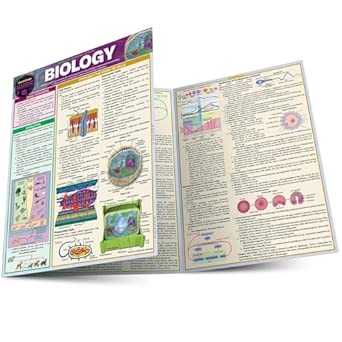 | Best for Quick Subject Review | Format: Laminated multi-panel reference guide | Subject: Biology fundamentals | Durability: Fully laminated pages | VIEW LATEST PRICE | See Our Full Breakdown |
| Earth Science: A QuickStudy Laminated Reference Guide |  | Best Niche Subject Pick | Format: Laminated multi-panel reference guide | Subject: Earth science concepts | Durability: Fully laminated pages | VIEW LATEST PRICE | See Our Full Breakdown |
| Physical Science – Physics & Chemistry: A QuickStudy Laminated Reference Guide |  | Best Two-Subject Value | Format: Laminated multi-panel reference guide | Subjects: Physics and chemistry | Durability: Fully laminated pages | VIEW LATEST PRICE | See Our Full Breakdown |
| CARDDIA Periodic Table Educational Flashcards – 118 Elements with Atomic Data, Color-Coded Categories & Bonus Periodic Table Sheet |  | Best for Element-by-Element Study | Number of Cards: 118 (one per element) | Material: Water-resistant, tear-resistant card stock | Weight: 182 g | VIEW LATEST PRICE | See Our Full Breakdown |
| Portable Periodic Table & Element Families Set of 12 – Professor Nano Concept Cards |  | Best for Conceptual Understanding | Number of Cards: 12 | Card Dimensions: 4 x 7.11 inches | Format: Double-sided with visuals and explanations | VIEW LATEST PRICE | See Our Full Breakdown |
| Chemistry Flash Cards: A QuickStudy Reference Tool |  | Best Pocket Review | Format: Flash card quick-reference tool | Subject: Chemistry | Intended Use: Quick review and memorization | VIEW LATEST PRICE | See Our Full Breakdown |
| Anatomy Flash Cards: A QuickStudy Reference & Study Tool | 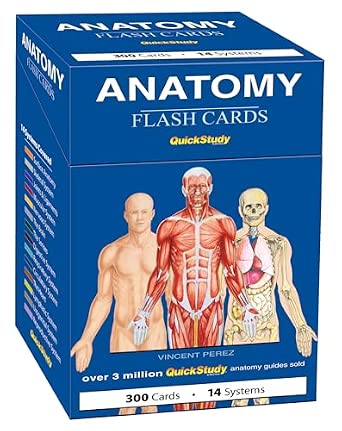 | Best for Anatomy On the Go | Format: Flash card quick-reference and study tool | Subject: Anatomy | Intended Use: Quick reference and review | VIEW LATEST PRICE | See Our Full Breakdown |
| AP Environmental Science Flashcards, Fourth Edition |  | Best for Exam Prep | Edition: Fourth Edition | Subject: AP Environmental Science | Intended Use: AP exam preparation | VIEW LATEST PRICE | See Our Full Breakdown |
| Duncan Toys Periodic Table Flash Cards with Hard Storage Case |  | Best for Young Learners | Brand: Duncan Educational | Set Name: Periodic Table | Card Content: Element name, symbol, atomic number, fun facts | VIEW LATEST PRICE | See Our Full Breakdown |
| 118Pcs Periodic Table of Elements Laminated Flashcards Science Flash Cards Chemistry Flash Card Game Study Guide for Teachers Students |  | Best Full-Coverage Value | Card Count: 118 flashcards | Coverage: Full periodic table of elements | Card Design: Double-sided with vibrant colors | VIEW LATEST PRICE | See Our Full Breakdown |
| science reference flashcard | Format | Audience | Subject |
|---|---|---|---|
| Zastic! Laminated Periodic Tab | — | — | — |
| Anatomy Flashcards: 300 Flashc | Flashcards with anatomical drawings and descriptions | Students and medical professionals | Human anatomy |
| Biology: A QuickStudy Laminate | Laminated multi-panel reference guide | Students and educators | Biology fundamentals |
| Earth Science: A QuickStudy La | Laminated multi-panel reference guide | Students and enthusiasts | Earth science concepts |
| Physical Science | Laminated multi-panel reference guide | Students and professionals needing rapid review | — |
| CARDDIA Periodic Table Educati | — | — | — |
| Portable Periodic Table & Elem | Double-sided with visuals and explanations | — | — |
| Chemistry Flash Cards: A Quick | Flash card quick-reference tool | Students and self-learners | Chemistry |
| Anatomy Flash Cards: A QuickSt | Flash card quick-reference and study tool | Students and professionals | Anatomy |
| AP Environmental Science Flash | Reusable physical flashcards | — | AP Environmental Science |
| Duncan Toys Periodic Table Fla | — | — | — |
| 118Pcs Periodic Table of Eleme | — | — | — |
More Details on Our Top Picks
Zastic! Laminated Periodic Table Flash Cards (118 Cards)
Zastic!’s 118-card set is the most complete element-by-element learning tool in this lineup, covering every element on the periodic table with symbols, atomic numbers, states, and pronunciation guides. Compared with the CARDDIA Periodic Table Flashcards, which also offers full 118-element coverage, Zastic! stands out for its gloss lamination on both sides, making cards water-resistant and classroom-tough — a real advantage for younger students or messy lab environments. The 400 GSM card stock feels sturdy rather than flimsy, and the compact 3.5 x 2.5 inch format travels easily in a backpack. The tradeoff is depth: these cards prioritize visual engagement over advanced chemistry data, so they won’t replace a college-level reference. For most learners building element fluency, this pick makes the most sense.
Pros:- Full 118-element coverage with properties, symbols, and pronunciation guides
- Double-sided gloss lamination makes cards water-resistant and long-lasting
- Thick 400 GSM card stock survives frequent classroom handling
- Compact card size fits easily into pockets and backpacks for on-the-go study
Cons:- Content stops at introductory chemistry depth, limiting value for advanced coursework
- Small card size leaves little room for detailed study notes or extended data
Best for: Middle and high school students, and teachers, who want a durable full periodic table set for classroom drills and games
Not ideal for: College chemistry or AP students who need advanced data like electron configurations and molar detail on each card
- Number of cards:118 (one per element)
- Material:400 GSM thick card stock
- Lamination:Gloss lamination on both sides
- Card size:3.5 in tall x 2.5 in wide
- Content:Symbol, atomic number, state, illustrations, pronunciation
- Durability:Water-resistant laminate finish
Our verdict“If you want one durable, complete set for mastering every element, this is the flashcard purchase to make first.”
Anatomy Flashcards: 300 Flashcards with Anatomically Precise Drawings and Exhaustive Descriptions
For students who need serious depth rather than quick refreshers, this 300-card anatomy set is the heavyweight option in the roundup. Where the Anatomy Flash Cards: A QuickStudy Reference & Study Tool condenses the body into a portable summary, this set goes the opposite direction: precise anatomical drawings paired with exhaustive descriptions built for memorization at a professional level. That makes it better suited to nursing, pre-med, and allied health students facing practical exams than to casual learners. The tradeoff is scale and commitment — 300 cards is a lot of material to carry and work through, and unlike the laminated QuickStudy guides, there’s no confirmed water-resistant coating, so durability depends on how carefully you handle them. It’s also strictly anatomy, so you’ll need separate resources for other science subjects.
Pros:- 300 cards cover human anatomy at professional-study depth
- Anatomically precise drawings support visual memorization
- Exhaustive written descriptions reinforce what the illustrations show
- Designed specifically for retention of complex anatomical relationships
Cons:- No digital companion content or interactive features included
- Card durability and lamination quality are not specified, so heavy use may cause wear
- Large set size makes it less portable than laminated reference guides
Best for: Nursing, pre-med, and allied health students who need deep, exam-grade anatomy memorization with detailed visuals
Not ideal for: Casual learners or younger students who only need an overview of body systems without intensive study
- Number of cards:300
- Format:Flashcards with anatomical drawings and descriptions
- Content depth:Exhaustive descriptions for in-depth learning
- Illustrations:Anatomically precise drawings
- Audience:Students and medical professionals
- Subject:Human anatomy
Our verdict“This is the set for students whose exams demand true anatomical mastery, not just a quick review.”
Biology: A QuickStudy Laminated Reference Guide
Among the three QuickStudy guides in this roundup, the Biology guide covers the broadest territory — cell biology, genetics, ecology, and more — which makes it the most versatile single purchase for general science students. Like the Earth Science and Physical Science QuickStudy guides, it uses a condensed laminated format that slips into a binder or backpack and survives spilled drinks, but its subject matter spans more of a typical school year. The inevitable tradeoff is compression: with an entire discipline on a few panels, explanations stay brief by design, so students preparing for AP Biology or college exams will need a fuller resource. Compared with the AP Environmental Science Flashcards, it lacks quiz-style drilling, but as a rapid lookup tool before tests, it earns its place.
Pros:- Covers a wide span of fundamental biology topics in one portable guide
- Laminated pages resist wear, spills, and backpack abuse
- Condensed format allows rapid pre-exam review
- Cheaper and lighter than full flashcard sets for quick reference needs
Cons:- Summary depth only — no detailed explanations of complex processes
- Not designed for active recall drilling the way flashcard sets are
Best for: High school and intro-level college students who want a fast, durable lookup sheet covering core biology topics
Not ideal for: AP or college biology students who need detailed explanations and practice drilling beyond summary-level content
- Format:Laminated multi-panel reference guide
- Subject:Biology fundamentals
- Durability:Fully laminated pages
- Portability:Fits standard binders and backpacks
- Content style:Concise topic summaries with visual aids
- Audience:Students and educators
Our verdict“A smart buy for students who need biology answers fast, as long as they pair it with deeper study materials.”
Earth Science: A QuickStudy Laminated Reference Guide
Earth science is the subject most flashcard lines skip, and that scarcity is exactly why this guide earns a spot. While sets like Zastic!’s periodic table cards dominate chemistry study aids, geology, meteorology, and astronomy topics rarely get dedicated tools — this laminated guide fills that gap for students in earth science or intro environmental courses. Compared with the AP Environmental Science Flashcards, it trades interactive drilling for instant topic lookup in a binder-friendly format, which suits homework sessions more than exam prep. The laminated construction means it will outlast a semester of heavy use, but the condensed panels can’t replace a textbook when assignments demand deeper reasoning. This pick makes the most sense as a supplement, not a standalone study system.
Pros:- Covers a subject — earth science — that few flashcard products address
- Laminated format survives repeated handling and spills
- Concise explanations make entry-level concepts approachable
- Lightweight enough to carry daily alongside textbooks
Cons:- Depth is limited to overviews, leaving advanced learners underserved
- Reference format offers no drilling or self-testing mechanism
Best for: Students in earth science or introductory environmental courses who need a durable quick-reference for homework and review
Not ideal for: Learners preparing for standardized or AP exams that require detailed practice questions and extended explanations
- Format:Laminated multi-panel reference guide
- Subject:Earth science concepts
- Durability:Fully laminated pages
- Content style:Concise explanations with visual aids
- Portability:Compact, binder-compatible
- Audience:Students and enthusiasts
Our verdict“Worth buying for its rarely covered subject matter, provided you treat it as a companion to fuller coursework.”
Physical Science – Physics & Chemistry: A QuickStudy Laminated Reference Guide
This guide’s main selling point is efficiency: physics and chemistry formulas in one laminated reference, where most products in this roundup cover a single subject. Students taking a combined physical science course get double the utility from one purchase, and the condensed layout works well for quickly recalling equations, units, and constants during homework. Compared with the Chemistry Flash Cards: A QuickStudy Reference Tool, which focuses solely on chemistry terms, this broader scope means each individual topic gets less space — so specialists will find it thinner than a dedicated chemistry or physics resource. Like the other QuickStudy guides here, it’s built for lookup rather than active recall, and it won’t align perfectly with every curriculum’s scope and sequence. For survey-course students, though, the two-in-one design is genuinely practical.
Pros:- Combines physics and chemistry into a single reference
- Laminated pages stand up to daily backpack use
- Concise formatting speeds up formula and concept recall
- Easy to keep at hand during homework and open-book review
Cons:- Two subjects in one guide means shallower treatment of each
- Coverage may not match every curriculum’s specific topics
Best for: Physical science survey-course students who need both physics and chemistry references in one durable, portable guide
Not ideal for: Students in dedicated physics or chemistry courses who need deeper, subject-specific coverage and practice
- Format:Laminated multi-panel reference guide
- Subjects:Physics and chemistry
- Durability:Fully laminated pages
- Content style:Quick-reference concepts and formulas
- Portability:Compact for carrying and quick review
- Audience:Students and professionals needing rapid review
Our verdict“A practical two-for-one reference for general physical science classes, but not a substitute for subject-specific study tools.”
CARDDIA Periodic Table Educational Flashcards – 118 Elements with Atomic Data, Color-Coded Categories & Bonus Periodic Table Sheet
Most periodic table card sets make you choose between depth and portability, but CARDDIA’s 118-card set refuses to compromise. Each element gets its own card with full atomic data on the back, which puts it a step above the Zastic! laminated set in terms of study granularity — one element, one card, one drilling session. The color-coded category system is the standout feature here: it turns rote memorization into pattern recognition, which matters for middle and high schoolers learning group trends. Compared with the Professor Nano Concept Cards, which survey broad topics in just 12 cards, this set goes narrow and deep. The tradeoff is that it is a memorization tool, not a conceptual one — there are no explanations of bonding or reactions, so college chemistry students will outgrow it quickly.
Pros:- One card per element allows true self-quizzing rather than passive reading
- Color-coded element groups build pattern recognition alongside memorization
- Water-resistant and tear-resistant cards survive backpacks and busy classrooms
- Bonus periodic table sheet gives a quick at-a-glance reference
Cons:- Purely data-driven — no explanations of chemical behavior or reactions
- Too basic for advanced or college-level chemistry coursework
Best for: Middle and high school students who need to memorize all 118 elements and their atomic data through self-quizzing
Not ideal for: College-level chemistry students who need conceptual explanations of reactions and bonding rather than raw element data
- Number of Cards:118 (one per element)
- Material:Water-resistant, tear-resistant card stock
- Weight:182 g
- Recommended Age:6 years and up
- Includes:Bonus periodic table reference sheet
- Category System:Color-coded element groups
- Brand:CARDDIA
- Model Number:CD-SC-EL001
Our verdict“If your goal is mastering every element’s symbol, number, and data through active recall, this is the most complete drilling tool in the lineup.”
Portable Periodic Table & Element Families Set of 12 – Professor Nano Concept Cards
Where CARDDIA drills element data one card at a time, Professor Nano’s 12-card set takes the opposite approach: each double-sided card covers a whole topic — element families, periodic trends, key chemistry ideas — with visuals and real-world applications. This makes it the better fit for students who understand the ‘why’ but struggle with the ‘what it means’ side of chemistry. The large 4 x 7.11 inch cards also give diagrams room to breathe, something the compact QuickStudy Chemistry cards sacrifice for portability. The obvious tradeoff is scale: twelve cards cannot replace a full curriculum, and unlike the Duncan Toys set there is no hard case protecting them for classroom hand-offs. Homeschooling families will get the most mileage here, since the topical format lends itself to lesson planning rather than pure memorization drills.
Pros:- Topic-based format explains concepts rather than just listing facts
- Real-world applications on each card connect chemistry to everyday life
- Large card size accommodates clear diagrams and visuals
- Works well as lesson-plan scaffolding for homeschool instruction
Cons:- Only 12 cards — insufficient as a standalone study resource
- No protective case or lamination mentioned for durability
Best for: Homeschooling parents and visual learners who want topic-based chemistry overviews rather than element-by-element memorization
Not ideal for: Students preparing for memorization-heavy quizzes who need individual element cards for self-testing
- Number of Cards:12
- Card Dimensions:4 x 7.11 inches
- Format:Double-sided with visuals and explanations
- Content Focus:Periodic table, element families, key chemistry topics
- Material:Cardstock
- Intended Settings:Classroom, homeschooling, independent study
Our verdict“This set earns its place by teaching chemistry concepts in context, making it the best companion piece to a data-heavy set like CARDDIA’s.”
Chemistry Flash Cards: A QuickStudy Reference Tool
The QuickStudy Chemistry cards prioritize one thing above all: grab-and-go review. Their compact format makes them easy to slip into a bag for commutes or between-class study, where the larger Professor Nano cards would be cumbersome. As a quick reference tool, they sit between the laminated QuickStudy reference guides elsewhere in this roundup and full flashcard sets — more interactive than a single folded guide, less exhaustive than CARDDIA’s 118-card monster. That positioning is exactly the point: this is for reinforcing already-learned material, not building knowledge from scratch. The tradeoff is real, though. Compared with the AP Environmental Science flashcards, which are purpose-built for one exam, this set covers broad chemistry without the depth of a dedicated course companion. Students expecting textbook-level explanations will find it thin.
Pros:- Highly portable format suits commuting and short study windows
- Well-suited to memorization and rapid fact recall
- Accessible entry point for self-learners without a textbook on hand
- Faster to use than full 100+ card sets for quick refreshers
Cons:- Limited depth compared with textbooks or dedicated study guides
- Coverage of advanced chemistry topics is incomplete
Best for: High school and early college students who want a portable refresher for quick review sessions between classes
Not ideal for: Students who need in-depth explanations or full exam-prep coverage from a single resource
- Format:Flash card quick-reference tool
- Subject:Chemistry
- Intended Use:Quick review and memorization
- Audience:Students and self-learners
- Portability:Compact, pocket-friendly design
- Publisher Series:QuickStudy Reference Tools
Our verdict“A sensible pick for quick chemistry review on the move, as long as you treat it as a refresher rather than your main study resource.”
Anatomy Flash Cards: A QuickStudy Reference & Study Tool
This QuickStudy anatomy set fills the life-science gap in a lineup dominated by chemistry cards, and it inherits the same strengths and weaknesses as its chemistry sibling. The portable, concise format works well for nursing students and pre-med learners squeezing review into short breaks — exactly the use case the 300-card Anatomy Flashcards set elsewhere in this roundup does not serve, since that exhaustive box is built for desk-bound deep study. The tradeoff mirrors the chemistry version: this is a condensed reference, not a replacement for an anatomy atlas or course text. Compared with the AP Environmental Science flashcards’ exam-focused structure, this set is more of a general review aid without a sorting ring or customizable organization. Buyers should verify content depth against their syllabus before relying on it as a primary study tool.
Pros:- Portable format fits easily into scrubs pockets or small bags
- Covers essential anatomical concepts in a distilled format
- Serves both students and working professionals needing refreshers
- Lower commitment than large boxed anatomy sets
Cons:- Far less detail than full anatomy atlases or comprehensive card sets
- Limited published information on card count and edition specifics
Best for: Nursing, pre-med, and biology students who need lightweight anatomical review between classes or clinical rotations
Not ideal for: Students who need exhaustive anatomical detail with precise drawings — the 300-card anatomy set is the better investment there
- Format:Flash card quick-reference and study tool
- Subject:Anatomy
- Intended Use:Quick reference and review
- Audience:Students and professionals
- Portability:Compact, carry-anywhere design
- Publisher Series:QuickStudy Reference Tools
Our verdict“Choose this when portability matters more than depth, and pick the 300-card anatomy set when thoroughness is the priority.”
AP Environmental Science Flashcards, Fourth Edition
Every other set in this roundup is a general reference tool; this one is a purpose-built exam weapon. The Fourth Edition alignment with the current AP Environmental Science curriculum means content matches what the test actually covers — something the QuickStudy chemistry and anatomy cards cannot claim, since they are broad references rather than exam-mapped resources. The included sorting ring is the smartest design decision in the batch: students can separate mastered cards from shaky ones and drill selectively, a customization feature the CARDDIA and Professor Nano sets lack entirely. The tradeoffs are transparency-related rather than functional — card count and detailed content descriptions are thin, so buyers are trusting the publisher’s reputation. If you are not taking the AP exam, this specificity becomes a drawback rather than a strength.
Pros:- Content aligned specifically with the current AP Environmental Science curriculum
- Sorting ring enables custom study decks focused on weak areas
- Up-to-date fourth edition reflects current exam topics
- Reusable card format supports repeated study cycles
Cons:- Narrowly scoped to one exam, limiting value for general environmental science study
- Sparse product information on card quantity and content coverage
Best for: AP Environmental Science students who want curriculum-aligned drilling with the ability to sort cards by mastery level
Not ideal for: General science learners or non-AP students who would find the exam-specific scope too narrow
- Edition:Fourth Edition
- Subject:AP Environmental Science
- Intended Use:AP exam preparation
- Includes:Sorting ring for custom study sessions
- Format:Reusable physical flashcards
- Alignment:Current AP Environmental Science curriculum
Our verdict“The only choice in this lineup if AP Environmental Science exam success is the goal — and an easy skip if it is not.”
Duncan Toys Periodic Table Flash Cards with Hard Storage Case
This Duncan set stands out as the most kid-friendly entry point in this roundup, with an age rating starting at just 6 years old. Where the CARDDIA Periodic Table Educational Flashcards lean on dense atomic data, Duncan keeps things approachable by pairing element names, symbols, and atomic numbers with fun facts and real-life examples that give younger students a reason to care about helium or iron in the first place. Cards are grouped by element type, which quietly teaches classification before a child ever hears the word ‘alkali metal.’
The tradeoff is depth. Compared with the 118Pcs Laminated set, the information here stays at surface level, so middle schoolers prepping for tests will outgrow it. The included hard storage case is the real differentiator — no other budget set in this lineup offers comparable protection for backpack life.
Pros:- Accessible age rating of 6 and up, the youngest-friendly option here
- Fun facts and real-life examples make abstract elements relatable
- Hard storage case survives backpacks and classroom handling
- Color-grouping by element type builds classification intuition early
Cons:- Information stays basic, so advanced learners outgrow it quickly
- Cards run small, which can frustrate very young children
Best for: Parents and elementary teachers introducing the periodic table to kids ages 6-10 who need durable, portable cards
Not ideal for: Middle and high school students who need atomic masses, electron configurations, or exam-level detail
- Brand:Duncan Educational
- Set Name:Periodic Table
- Card Content:Element name, symbol, atomic number, fun facts
- Organization:Grouped by element type
- Storage:Durable hard storage case included
- Age Range:6 years and up
- Model Number:3707FC
Our verdict“A smart first periodic table set for elementary-aged kids, as long as you accept it’s a gateway rather than a study tool.”
118Pcs Periodic Table of Elements Laminated Flashcards Science Flash Cards Chemistry Flash Card Game Study Guide for Teachers Students
For buyers who want complete periodic table coverage without paying premium pricing, this 118-card set is the most direct value play in the roundup. Unlike the Professor Nano Concept Cards, which split the table into family-grouped concept cards, this set gives you one card per element, double-sided, so drilling works the same way for every entry. The double-sided lamination is the headline feature: cards resist tearing, spills, and the general abuse of classroom circulation, something the Duncan set’s softer cards can’t match.
The 4 x 3 inch format keeps the set genuinely pocketable, but that compactness cuts both ways — students who want room for notes or larger typography will find the layout cramped compared with full-page options like the Zastic! Laminated Periodic Table Flash Cards. It’s also strictly chemistry; there’s no crossover value for broader science study.
Pros:- Complete 118-element coverage, one card per element
- Double-sided lamination makes cards tear-resistant and waterproof
- Vibrant color coding aids visual memorization
- Compact size plus storage box makes it genuinely portable
Cons:- Small 4 x 3 inch cards feel cramped for detailed study
- Strictly limited to chemistry with no cross-subject use
Best for: Chemistry students and teachers who need a complete, spill-proof 118-element drilling set for classroom or commute study
Not ideal for: Learners wanting broader science coverage or card formats large enough for annotating
- Card Count:118 flashcards
- Coverage:Full periodic table of elements
- Card Design:Double-sided with vibrant colors
- Material:High-quality paper with double-sided lamination
- Card Size:11 x 8 cm (4 x 3 inches)
- Durability:Tear-resistant and waterproof
- Included:Flashcards and storage box
Our verdict“The most practical full-table drilling set here for chemistry students who prioritize durability and portability over card size.”

How We Picked
I evaluated each set against four factors that actually affect studying: content depth (does each card teach, or just label?), format honesty (is it a drillable deck or a folded reference guide?), durability (lamination, card stock, storage), and audience fit (middle school intro versus AP or college-level work). Decks that mixed accurate data with clean visual hierarchy ranked higher than dense cards that cram too much onto one face.
Ranking also reflected study utility per card. A 118-element deck with consistent formatting beats an inconsistent one even at the same card count, and reference guides were judged as references — not penalized for lacking a quiz format, but never ranked above a genuine flashcard deck for memorization goals. Finally, I weighed versatility: sets that work for multiple grade levels or classroom use scored better than narrowly targeted ones, unless that narrow focus delivers exceptional depth, as with the anatomy decks.
| science reference flashcard | Format | Audience | Subject |
|---|---|---|---|
| Zastic! Laminated Periodic Tab | — | — | — |
| Anatomy Flashcards: 300 Flashc | Flashcards with anatomical drawings and descriptions | Students and medical professionals | Human anatomy |
| Biology: A QuickStudy Laminate | Laminated multi-panel reference guide | Students and educators | Biology fundamentals |
| Earth Science: A QuickStudy La | Laminated multi-panel reference guide | Students and enthusiasts | Earth science concepts |
| Physical Science | Laminated multi-panel reference guide | Students and professionals needing rapid review | — |
| CARDDIA Periodic Table Educati | — | — | — |
| Portable Periodic Table & Elem | Double-sided with visuals and explanations | — | — |
| Chemistry Flash Cards: A Quick | Flash card quick-reference tool | Students and self-learners | Chemistry |
| Anatomy Flash Cards: A QuickSt | Flash card quick-reference and study tool | Students and professionals | Anatomy |
| AP Environmental Science Flash | Reusable physical flashcards | — | AP Environmental Science |
| Duncan Toys Periodic Table Fla | — | — | — |
| 118Pcs Periodic Table of Eleme | — | — | — |
Factors to Consider When Choosing Science Reference Flashcards
Before picking a set, it helps to understand what separates a flashcard that gets used daily from one that sits in a drawer. These are the factors that shaped my rankings and the mistakes buyers make most often.
Deck or Reference Guide?
The single biggest confusion in this category is that several products labeled “flashcards” are actually folded laminated reference sheets. The QuickStudy guides fall into this group. A reference guide works like a mini poster: you scan it while doing homework, and it excels at showing an entire subject’s structure on one surface. A true deck, like the Zastic! or CARDDIA periodic table cards, supports active recall — flipping cards, self-quizzing, sorting into known and unknown piles. If your goal is memorizing element symbols or anatomical terms, a deck will outperform a guide every time. If your goal is understanding how topics connect, a guide wins. Buying the wrong format is the most common mistake in this category, and no amount of quality fixes it.
Card Count Versus Card Quality
A 300-card anatomy deck sounds like better value than a 12-card concept set until you consider completion fatigue. Large decks require a sustained study schedule; a student who drills 300 cards once and quits learns less than one who cycles 40 cards weekly. Card stock and lamination matter just as much — thin cards fray at the edges within a semester of backpack travel, while laminated ones survive classroom handling for years. My rankings favored sets that balanced count with durability, which is why the Duncan Toys hard case and Zastic!’s lamination earned their spots. A useful rule: match deck size to the length of your course, not to your ambition on purchase day.
Data Density and Readability
Science cards walk a tightrope between informative and cluttered. The best periodic table decks print atomic number, symbol, mass, and category color-coding in a consistent layout so your eye learns where to look. CARDDIA does this well; cheaper bulk sets sometimes shrink the font or use inconsistent formatting between cards, which slows recall. For anatomy, dense cards with exhaustive descriptions reward serious students but can overwhelm beginners — the QuickStudy Anatomy cards strip things down to labeled diagrams that are faster to review. Think about whether you’ll read these cards at a desk or glance at them in a hallway, and choose density accordingly.
Age and Level Alignment
Several of these sets span middle school through college, but few serve all levels equally. The Professor Nano Concept Cards, with only 12 cards focused on element families and periodic trends, suit introductory learners who need conceptual scaffolding before memorizing 118 elements. The AP Environmental Science deck targets a specific exam curriculum and would bore a younger student. Anatomy sets split cleanly: QuickStudy for high school, the 300-card deck for pre-med and A&P students. Buying above a student’s level wastes money on cards they can’t parse; buying below it insults them and kills motivation. When in doubt, check whether the set lists a grade range or exam alignment on the packaging.
Storage and Portability
This sounds trivial until you’ve picked 118 scattered cards off a school hallway floor. Sets with boxes, rings, or hard cases — like Duncan Toys — keep decks intact and portable, while loose-card sets often migrate into rubber bands and Ziploc bags. Laminated reference guides sidestep the problem entirely by folding to pocket size, which is why they’re the best bus-ride companion in this lineup. If the cards will travel between home and school, weight storage heavily in your decision. If they’ll live on a desk at home, it matters far less, and you can prioritize content instead.
Frequently Asked Questions
Are laminated reference guides actually flashcards?
No, and this distinction trips up a lot of buyers. The QuickStudy products in this roundup are tri-fold laminated sheets — six panels of densely organized reference material, not individual cards for self-quizzing. They’re outstanding for looking up formulas, prefixes, or diagrams mid-homework, but they don’t support the flip-and-recall loop that makes flashcards effective for memorization. If you need to memorize element symbols or muscle names, buy a true deck like Zastic! or the 300-card anatomy set. If you need a subject summary you can consult repeatedly, the guides are the better tool. Some students genuinely benefit from owning one of each.
Which periodic table deck should I choose — there are five in this roundup?
It comes down to depth and durability. Zastic! is my top pick for most students because its 118 laminated cards balance data, color-coding, and sturdiness. CARDDIA is the better choice if you want richer atomic data per card and don’t mind slightly thinner stock. Duncan Toys wins on portability thanks to its hard case, making it the classroom-safe option. The 118-piece generic set is the budget play, and the Professor Nano 12-card set is for beginners who should learn element families before memorizing individual elements. If you’re torn, match the deck to who’s carrying it: rough handling means laminated cards and a case.
Are the 300-card anatomy flashcards too much for a high school student?
For most high schoolers, yes — that deck is built for college anatomy and physiology and pre-med coursework, with exhaustive descriptions that go well beyond a typical high school biology syllabus. A high school student would be better served by the QuickStudy Anatomy cards, which cover the same body systems with labeled diagrams and far less text. The larger deck becomes worthwhile for students in health-science tracks, dual-enrollment A&P courses, or anyone planning CNA, EMT, or nursing prerequisites. A middle path is to buy the smaller set first and upgrade only if the student continues into advanced coursework. Deep decks abandoned early teach less than shallow decks finished.
Do I need exam-specific flashcards like the AP Environmental Science deck?
If you’re actually taking that exam, yes — curriculum alignment beats generic coverage. The APES deck is structured around the exam’s units, terminology, and case-study vocabulary, so your drilling maps directly onto what’s tested. A general environmental science or earth science reference won’t be organized around those tested concepts, and you’ll waste time on material the exam skips. The flip side: if you’re not taking the AP exam, that same deck is narrower than a general science reference and less useful. Exam-specific products are high-value within their scope and low-value outside it, so buy them only when the exam is confirmed on your schedule.
How long do laminated science flashcards last compared to paper ones?
Laminated cards typically survive years of daily handling — spills, backpack friction, and repeated flipping — while unlaminated card stock usually shows edge wear within a semester of heavy use. For a single-semester course, paper cards are often fine and sometimes cheaper. For a deck you’ll reuse across multiple courses, tutor with, or pass down to siblings, lamination pays for itself. Reference guides like the QuickStudy sheets get the same benefit: the lamination is what lets them survive desk duty and binder storage. One caveat — laminated surfaces can glare under classroom lighting, and they’re hard to write on except with dry-erase markers, which some students actually prefer for self-testing.
Conclusion
For best overall, the Zastic! Laminated Periodic Table Flash Cards deliver the strongest mix of content, durability, and broad usefulness across grade levels. The best value pick is the generic 118-piece laminated set, which covers every element at a low price if you can accept thinner stock. For premium buyers — pre-med, nursing, and A&P students — the 300-card Anatomy Flashcards deck is unmatched in depth. Beginners should start with the Professor Nano Concept Cards to learn element families before tackling a full deck, while quick-reference users get more from any QuickStudy guide than from a drill deck. If you’re taking the AP exam, the AP Environmental Science deck is the obvious targeted buy, and classroom teachers should look at the Duncan Toys set for its hard case. Match the format to how you actually study, and the right pick becomes obvious.
Fall Picks
fall essentials
As an affiliate, we earn on qualifying purchases.