TL;DR
A massive dust plume originating from the Sahara Desert is moving across the Atlantic toward the US. Experts confirm it will reach parts of North America soon, affecting air quality and weather. The full impact remains uncertain.
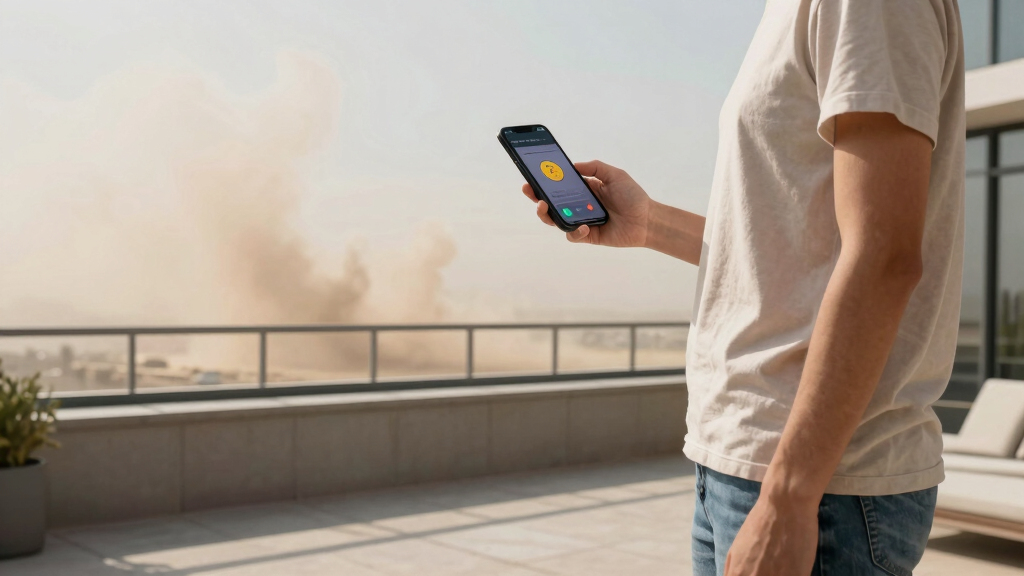
A massive plume of dust from the Sahara Desert is on its way across the Atlantic Ocean toward the United States, according to weather forecasts. The dust cloud, which has been tracked by meteorologists, is expected to impact air quality and weather conditions in parts of North America soon. This development is confirmed by the National Weather Service and the European Space Agency, highlighting potential health and environmental effects.
Officials from the National Weather Service and European Space Agency confirm that a large dust plume originating from the Sahara Desert is currently traveling westward across the Atlantic. Satellite imagery shows the dust cloud extending thousands of miles and moving toward the eastern coast of the US. Experts predict that the dust could reach parts of the southeastern US within the next 48 hours, with possible effects on air quality, visibility, and weather patterns.
Some meteorologists note that similar dust events have occurred in recent years, often resulting in hazy skies and temporary air quality alerts. The dust is composed of fine particles that can be transported over long distances by wind, and its arrival could lead to increased respiratory issues among sensitive populations. Local authorities in affected areas are monitoring the situation closely and may issue health advisories as needed.
Impacts on Air Quality and Public Health
The arrival of the Sahara dust plume could lead to significant air quality deterioration in parts of the US, especially in urban and coastal areas. Fine dust particles can exacerbate respiratory conditions such as asthma and bronchitis, posing risks to vulnerable groups including children, the elderly, and those with pre-existing health issues. Additionally, the dust may cause hazy skies and reduce visibility, affecting travel and outdoor activities.
Environmental experts also warn that the dust could influence weather patterns temporarily, potentially leading to changes in temperature and precipitation. While the event is not expected to cause long-term environmental damage, the immediate health and safety implications are considerable, prompting officials to prepare for possible public advisories.

Levoit Air Purifiers for Bedroom Home Pets Dorm Room, Small Air Purifiers
- Certified for Performance and Safety: AHAM Verifide certified for reliability
- Captures Pollutants Effectively: Filters lint, pet dander, smoke, and dust
- Reduces Odors and Fumes: Neutralizes smoke, odors, and fumes
As an affiliate, we earn on qualifying purchases.
As an affiliate, we earn on qualifying purchases.
Recent Dust Events and Atlantic Dust Transport
Transport of dust from the Sahara across the Atlantic, known as the Saharan Air Layer (SAL), is a seasonal phenomenon that occurs primarily in late spring and summer. In recent years, satellite data has documented multiple instances of Saharan dust reaching the Caribbean, Gulf Coast, and southeastern US. These events are typically associated with high-pressure systems that push dust westward, often coinciding with African monsoon activity.
According to climate scientists, such dust events can influence Atlantic hurricane activity by stabilizing the atmosphere and suppressing storm development temporarily. The current dust plume follows similar patterns observed in past years, but its size and intensity are notable, prompting increased monitoring and forecast updates.
“Satellite imagery clearly shows the extent of the dust plume, which can have immediate effects on air quality and visibility in affected regions.”
— Dr. Maria Lopez, climate scientist at the European Space Agency

3M 8511 Drywall Sanding N95 Cool Flow Valved Disposable Respirator, 10-Pack
- Filtration Efficiency: NIOSH-Approved N95 for 95% filtration
- Intended Use: Sanding, drywall, woodworking, yard work
- Breathability: Advanced electrostatic media for easy breathing
As an affiliate, we earn on qualifying purchases.
As an affiliate, we earn on qualifying purchases.
Potential Health and Environmental Effects Still Being Assessed
While the dust’s arrival in the US is confirmed, the precise impact on local air quality, weather, and health remains uncertain. Officials are monitoring ongoing data, but it is too early to determine the full scope of effects or whether advisories will be issued in all affected areas. The intensity and duration of the dust event could vary depending on atmospheric conditions.

16-in-1 Indoor Air Quality Monitor, High-Precision Multi-Parameter Smart Air Quality Tester with HD Real-Time Color Screen, Portable Air Quality Monitor for Home, Office, Cars, Bedroom
- 16-in-1 Air Quality Monitoring: Tests multiple air quality parameters simultaneously
- All-in-One Design: Eliminates need for multiple testers
- Easy One-Tap Operation: Simple control with adjustable audio prompts
As an affiliate, we earn on qualifying purchases.
As an affiliate, we earn on qualifying purchases.
Monitoring and Preparedness Efforts in Affected Regions
Meteorologists and health officials will continue to track the dust plume’s movement and concentration levels. Local governments in southeastern states are preparing for possible air quality alerts and advising residents, especially vulnerable populations, to limit outdoor activities if necessary. Further updates are expected as the dust approaches and impacts are assessed in real-time.

LEVOIT Air Purifier for Home Allergies and Pets Hair Smokers in Bedroom, H13 True HEPA Filter, 24db Filtration System Cleaner Odor Eliminators, Remove 99.97% Dust Smoke Mold Pollen, Core 300, White
- Certified for Performance and Efficiency: AHAM VERIFIDE certified for reliability
- Powerful Air Cleaning: 56W motor with 143 CFM CADR
- Effective Filtration System: 3-in-1 HEPA filter for dust, smoke, odors
As an affiliate, we earn on qualifying purchases.
As an affiliate, we earn on qualifying purchases.
Key Questions
When will the Sahara dust reach the US?
Forecasts suggest the dust could arrive in parts of the southeastern US within the next 48 hours, but the exact timing may vary depending on atmospheric conditions.
What health risks does Saharan dust pose?
Fine dust particles can worsen respiratory conditions such as asthma and bronchitis, and may cause irritation in sensitive individuals. People with pre-existing health issues should monitor air quality alerts.
Will the dust affect weather patterns?
The dust can influence local weather temporarily, potentially causing hazy skies and minor temperature changes, but it is unlikely to cause severe weather events.
How long will the dust stay in the atmosphere?
The duration depends on atmospheric conditions, but typically Saharan dust can remain over the Atlantic and nearby regions for several days before dispersing or settling.
Source: google-trends