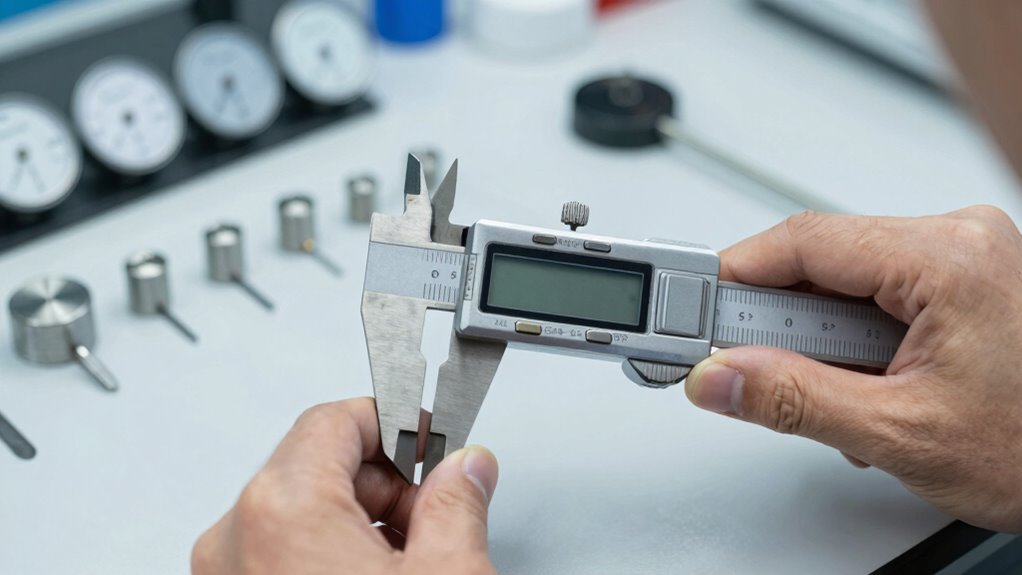
To trust your measuring devices again, you need to regularly calibrate them using certified standards and check their accuracy against known references. Keep detailed records of calibration dates and results, watch for signs of drift like inconsistent readings, and perform routine checks, especially after impacts or environmental changes. If measurements seem off or require high precision, seek professional calibration services. Staying proactive guarantees your tools stay reliable—discover more tips to maintain trustworthy measurements.
Key Takeaways
- Regularly calibrate devices using certified standards to ensure measurement accuracy aligns with industry benchmarks.
- Monitor for signs of deviation, such as inconsistent readings or unexpected fluctuations, and recalibrate promptly.
- Maintain detailed calibration records, including dates, results, and adjustments, to track device performance over time.
- Control environmental conditions like temperature and humidity to prevent measurement drift and prolong device reliability.
- Use reputable, ISO-accredited calibration services to verify device accuracy and rebuild trust in measurement results.
Why Regular Calibration Is Essential for Accurate Measurements
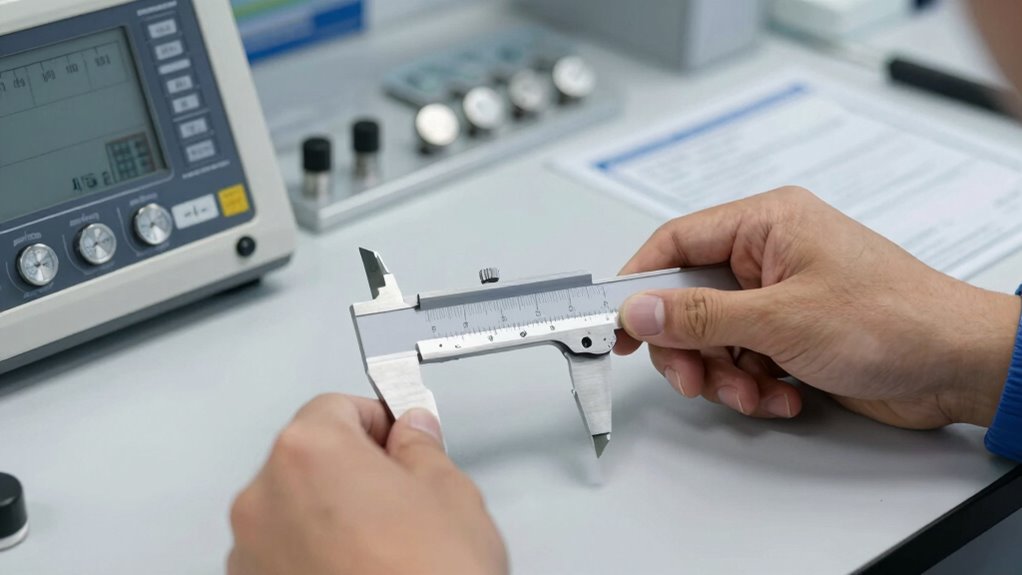
Regular calibration is essential because measurement tools can drift from their original accuracy over time. As your equipment ages or is used frequently, its measurement precision diminishes, leading to inaccurate results. To maintain reliable measurements, you need to pay attention to calibration frequency. Regular calibration ensures your devices stay within specified tolerances, reducing errors that could compromise quality or safety. Skipping calibration can cause subtle deviations that are hard to detect but profoundly impact outcomes. Additionally, environmental factors like temperature and humidity can influence measurement accuracy, making consistent calibration even more critical. Proper calibration procedures help identify and correct such influences, ensuring ongoing precision. By establishing a consistent calibration schedule, you keep your measurement tools dependable, fostering trust in your data. calibration frequency is a key factor in maintaining measurement accuracy over time. Incorporating energy-efficient calibration methods can also help reduce the environmental impact of your maintenance routines. Ultimately, regular calibration safeguards your processes, products, and reputation, especially considering how measurement drift can occur gradually without immediate notice.
Understanding the Types of Measuring Devices and Their Calibration Needs
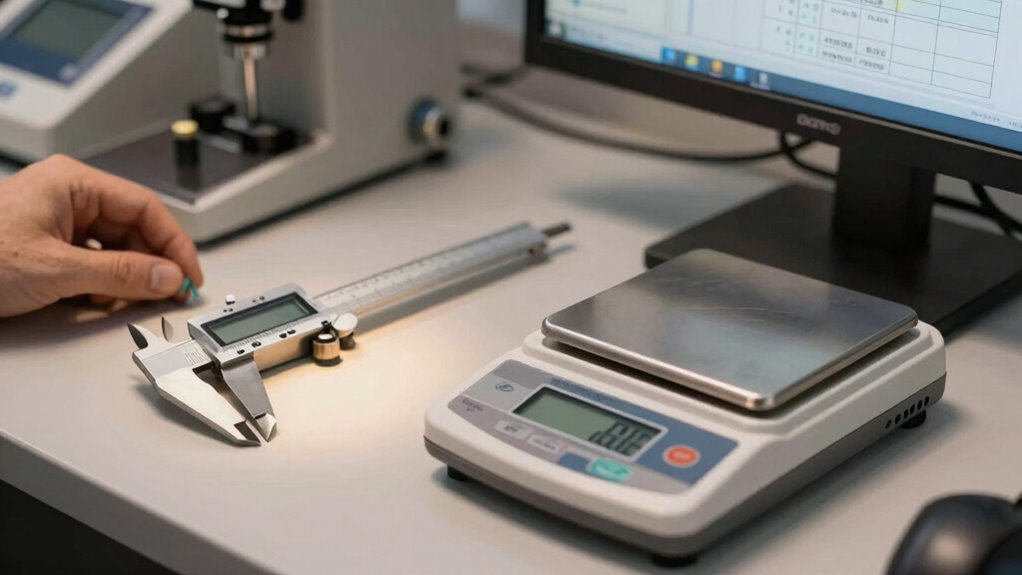
Different measuring devices have unique calibration requirements based on their design, precision, and intended use. For example, a digital caliper needs calibration against precise measurement units to guarantee accuracy, while a pressure gauge requires calibration standards specific to pressure measurements. Understanding these differences helps you select the right calibration procedures. Some devices, like thermometers, need regular calibration to maintain correct measurement units, while others, such as flow meters, demand calibration standards aligned with industry benchmarks. Knowing the type of device you’re working with guides you in applying appropriate calibration methods. Additionally, electric dirt bikes and other electric-powered devices often require calibration of their electronic components to ensure optimal performance and safety. Recognizing the calibration procedures applicable to each device type helps ensure your measuring tools provide trustworthy data, ultimately supporting quality and safety in your work. Moreover, incorporating proper maintenance routines can extend the lifespan and reliability of your measuring devices. Regular calibration also helps prevent measurement drift, which can compromise data accuracy over time.
How to Check Calibration Accuracy at Home or in the Workplace
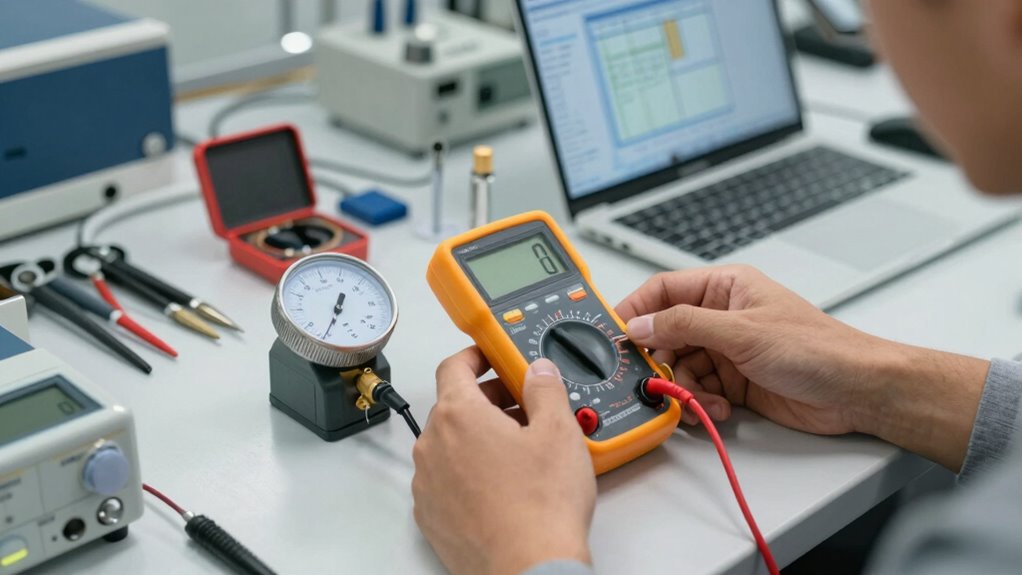
To guarantee your measuring tools remain accurate, start by using certified calibration tools designed for precision. Cross-check your devices with known standards regularly to spot any deviations early. Performing consistent testing helps maintain reliability and keeps your measurements trustworthy over time. Additionally, ensure proper ventilation in your workspace to prevent environmental factors from affecting your calibration results. Incorporating natural elements such as plants can also help stabilize indoor air quality and reduce fluctuations that impact sensitive measurements.
Use Certified Calibration Tools
Using certified calibration tools is essential for accurately checking the calibration of your instruments at home or in the workplace. These tools align with established measurement standards, ensuring your readings are reliable. When selecting calibration tools, verify they meet industry certifications and are traceable to national standards. Consistent calibration frequency depends on your usage and the precision required, but using certified tools guarantees your checks are precise each time. This adherence to measurement standards helps ensure your measurements are trustworthy and consistent, minimizing measurement errors and maintaining trust in your instruments. Properly calibrated tools can also help identify infection risks and prevention early, preventing costly errors and ensuring safety. Additionally, regular use of certified calibration devices supports the reliability of measurements over time, which is crucial for quality control. Avoid shortcuts by relying on uncertified tools, which can lead to inaccurate results. Properly calibrated tools help you identify deviations early, saving time and money in the long run. Prioritizing certified calibration tools is a key step to maintaining measurement accuracy and device reliability.
Cross-Check With Standards
Cross-checking your instruments with established standards is a essential step in verifying calibration accuracy. To do this effectively, compare your device’s readings against reliable calibration standards that are traceable to recognized measurement units. These standards serve as benchmarks, ensuring your measurements are consistent with accepted values. When using calibration standards, make sure they are appropriate for your specific measurement units and are recent or have a valid calibration certificate. This process helps you identify any deviations in your device’s accuracy. Keep your standards in good condition and store them properly to prevent damage or contamination. Regularly cross-checking with trusted standards provides peace of mind, confirming that your measurements remain accurate and reliable, whether at home or in the workplace. Additionally, understanding the concept of measurement traceability helps ensure that your calibration practices align with industry standards and best practices, which is crucial for maintaining measurement accuracy over time. Incorporating calibration intervals based on device usage and manufacturer recommendations further enhances ongoing reliability. Monitoring device performance through consistent cross-checks can help you quickly identify when recalibration is necessary, ensuring sustained precision. Recognizing the importance of standard calibration procedures can also streamline your process and improve overall confidence in your measurements.
Perform Regular Testing
Regular testing of your instruments helps guarantee ongoing accuracy beyond initial calibration. Over time, sensor drift can occur, reducing measurement reliability. By performing regular tests, you can catch deviations early and determine if your calibration intervals need adjustment. To do this effectively, compare your device’s readings against known references periodically. Use simple, consistent tests to monitor performance. Here’s a helpful reminder:
| Test Frequency | Purpose |
|---|---|
| Weekly | Detect sensor drift early |
| Monthly | Confirm calibration stability |
| After impacts or drops | Ensure accuracy remains intact |
Additionally, staying informed about sound vibrations and their influence on health can help tailor your calibration methods for sensitive measurement devices. Understanding sensor drift and how environmental factors affect it can significantly improve your calibration accuracy over time. Recognizing measurement variability is crucial for maintaining dependable results, especially in critical applications. This approach keeps your measurements dependable and prevents costly errors, ensuring your tools serve you well over time.
Signs Your Measuring Devices Are Out of Calibration
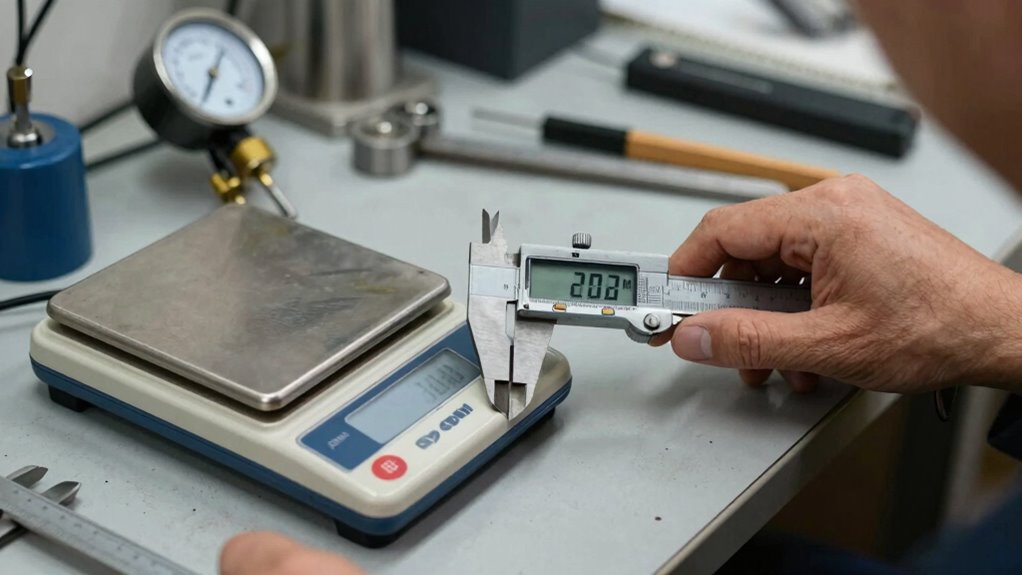
When your measuring devices start giving inconsistent or unexpected readings, it’s a clear sign they may be out of calibration. Reduced measurement accuracy can lead to faulty data, compromising your work’s quality. If you notice readings that don’t align with known standards or previous measurements, it’s a red flag. Device reliability also diminishes when calibration drifts, causing tools to produce unreliable results over time. Variations outside acceptable tolerances suggest your device is no longer trustworthy. Regularly comparing measurements with standards or reference tools helps identify these issues early. If discrepancies persist, it’s time to think about recalibration or professional calibration services to restore your device’s accuracy and ensure dependable performance. Ignoring these signs can result in costly mistakes and compromised safety. Proper calibration practices help maintain measurement integrity and ensure your tools perform reliably over time, emphasizing the importance of understanding measurement accuracy and its impact on your work.
When to Use Professional Calibration Services
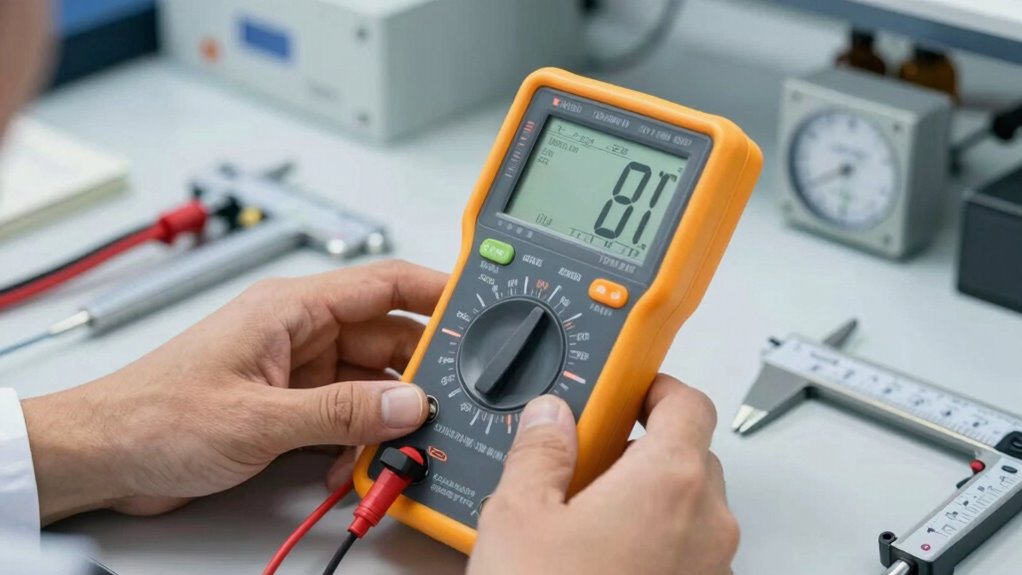
If your measurements need to meet strict precision and accuracy standards, it’s time to contemplate professional calibration services. When regulatory or industry compliance is on the line, relying on experts ensures your equipment stays within required specifications. Don’t risk errors or penalties—know when to seek professional help to maintain your measurement integrity.
Precision and Accuracy Standards
Determining when to rely on professional calibration services hinges on understanding the importance of precision and accuracy standards. If your measurements need to meet strict measurement standards or if your calibration frequency is irregular, professional calibration can guarantee reliability. It’s essential when tolerances are tight or when device drift affects performance. Use the table below to gauge your situation:
| Measurement Standards | Calibration Frequency |
|---|---|
| Strict tolerances | Regular scheduled calibrations |
| Looser tolerances | As needed or periodic checks |
| Critical accuracy | Professional calibration always |
| Routine checks | Self-calibration may suffice |
Adhering to these standards maintains device trustworthiness and minimizes costly errors.
Regulatory and Industry Compliance
Compliance with regulatory and industry standards often requires professional calibration services to make certain your equipment meets strict legal and safety requirements. When accuracy impacts compliance standards, relying on certified calibration ensures your measurement accuracy aligns with industry regulations. Using professional calibration services helps you avoid costly penalties, recalls, or safety issues caused by inaccurate readings. These services are essential for industries such as healthcare, aerospace, and manufacturing, where precise measurements are mandatory. By adhering to established calibration protocols, you demonstrate your commitment to quality and compliance. Professional calibration also provides documented proof that your equipment meets required standards, simplifying audits and inspections. Ultimately, investing in expert calibration safeguards your operations and guarantees your measurements remain trustworthy and compliant with industry regulations.
Step-by-Step Guide to Recalibrating Common Instruments Like Calipers and Thermometers
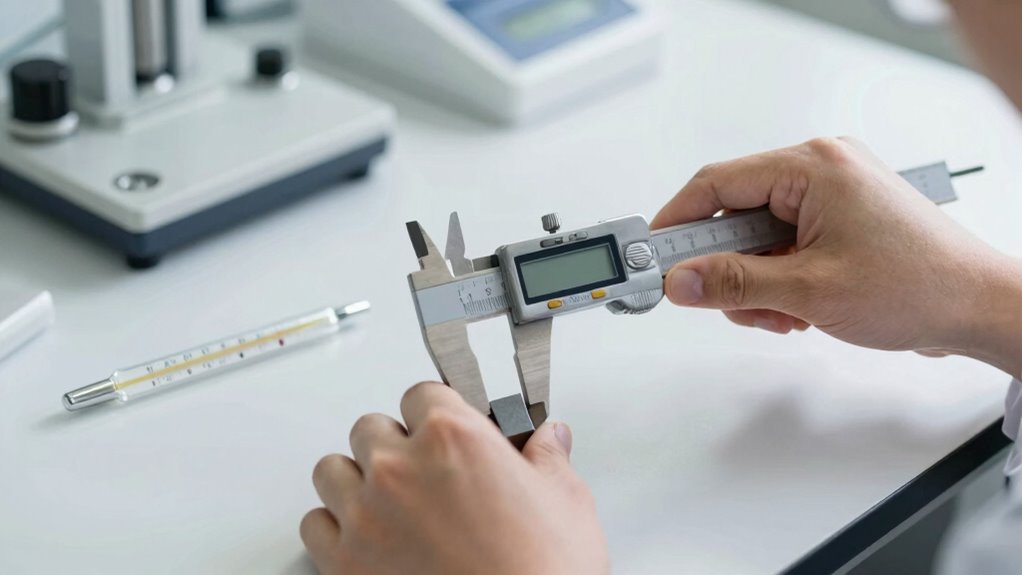
Recalibrating common instruments like calipers and thermometers guarantees accurate measurements and reliable results. Start by checking your device’s measurement units and noting the calibration schedule. Use a certified calibration standard or reference object for calibration. For calipers, zero the device and compare readings against the standard at different points. For thermometers, submerge in a known temperature bath and record readings, adjusting if necessary. Keep detailed records of each calibration to track performance over time. Regular recalibration ensures your tools remain precise and compliant with industry standards.
| Instrument | Calibration Frequency | Measurement Units |
|---|---|---|
| Calipers | Every 6 months | Millimeters/Inches |
| Thermometers | Monthly | Celsius/Fahrenheit |
| Pressure Gauges | Quarterly | PSI, Bar |
| pH Meters | Annually | pH scale |
| Balances | Monthly | Grams/Ounces |
Factors That Can Affect Your Device’s Calibration Accuracy
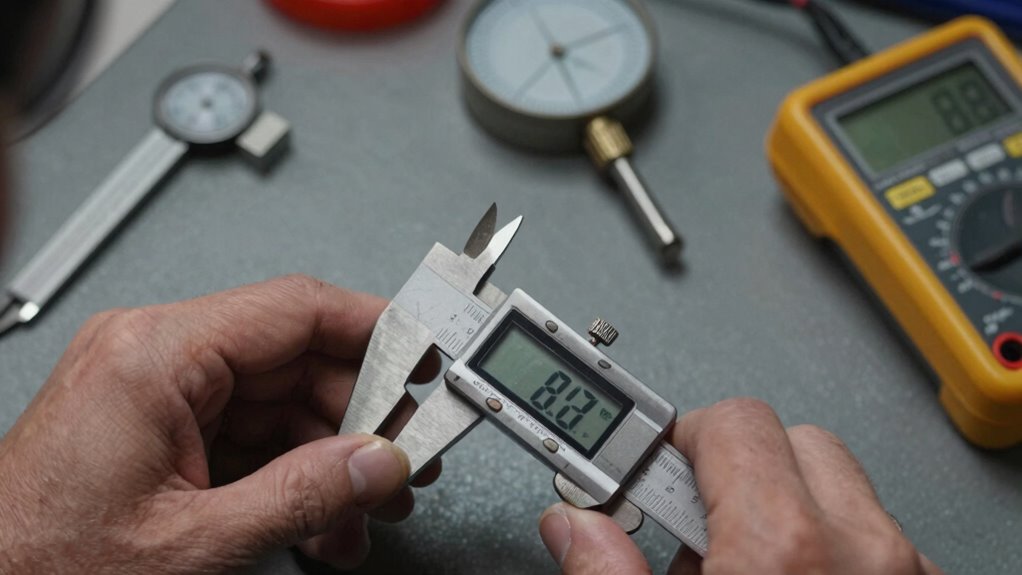
Several factors can influence your device’s calibration accuracy, and overlooking them may lead to unreliable measurements. Environmental factors like temperature, humidity, and vibrations can cause your device to drift or give inconsistent readings. For example, extreme temperatures can expand or contract components, affecting precision. Additionally, prolonged use can lead to device wear, which degrades internal parts and reduces accuracy over time. Dust, dirt, and corrosive elements can also interfere with sensor performance. Regularly exposing your device to harsh conditions or neglecting maintenance accelerates calibration drift. Understanding these factors helps you anticipate potential inaccuracies, allowing you to take corrective actions, such as recalibration or proper storage, ensuring your measurements remain trustworthy.
Tips for Keeping Calibration Records and Ensuring Quality
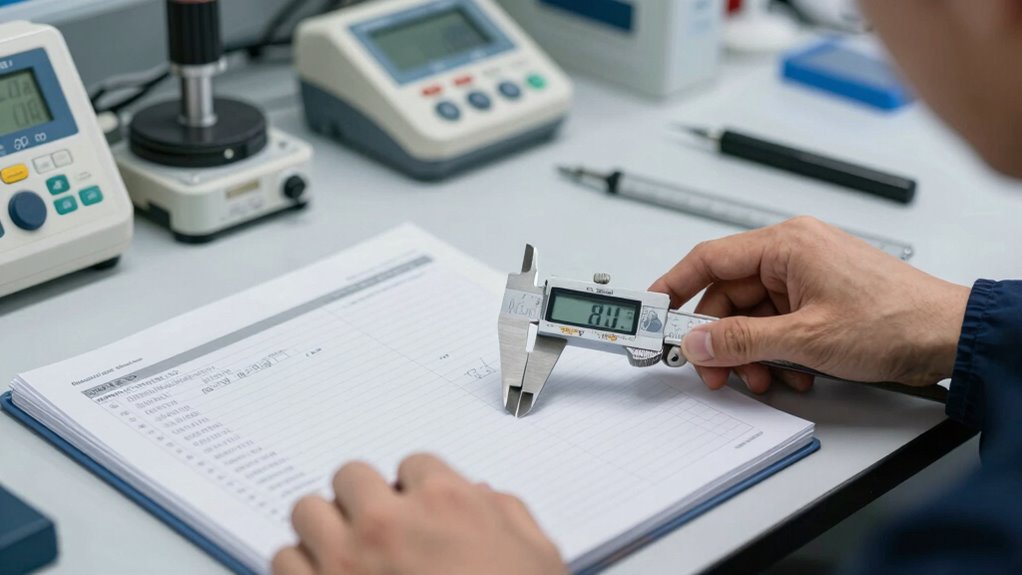
Keeping accurate calibration records is essential to maintain the reliability of your measurements and guarantee quality control. Proper records help track calibration history, identify patterns, and ensure compliance with standards. To stay organized, always document measurement units used during calibration, as this affects interpretation and consistency. Establish clear calibration intervals based on device usage, manufacturer recommendations, and past performance to prevent measurement drift. Regularly update your records with calibration dates, results, and any adjustments made. Use a systematic approach, such as digital logs or spreadsheets, to simplify retrieval and analysis. Keep backup copies to avoid data loss. These practices ensure you can verify device accuracy over time and uphold quality standards efficiently.
Troubleshooting Calibration Errors and Preventing Measurement Drift
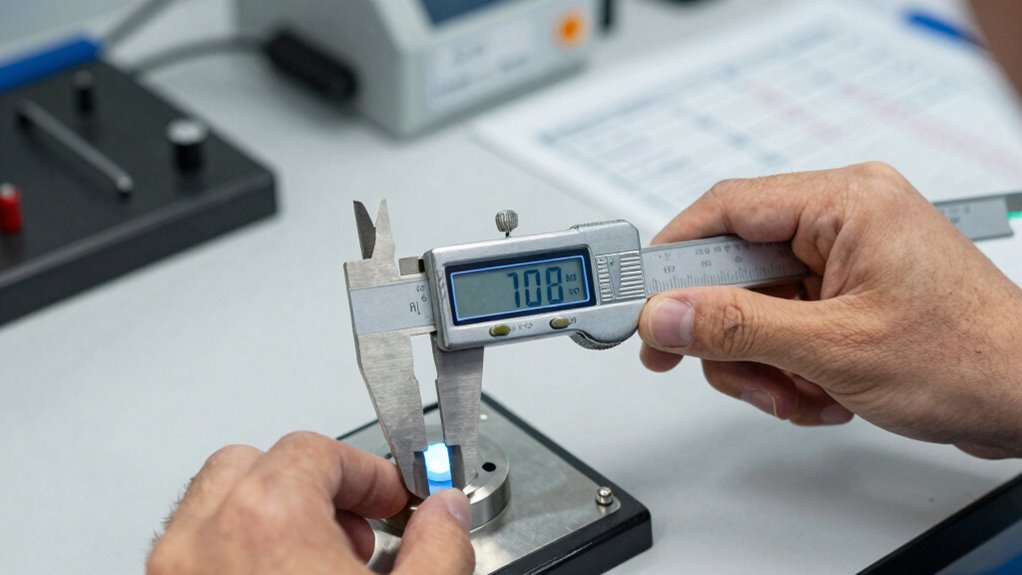
When calibration errors occur, you need to quickly identify their cause to avoid faulty measurements. Implementing preventative measures helps you catch issues early and maintain accuracy over time. By understanding common error sources and applying consistent checks, you can keep your calibration processes reliable.
Identifying Calibration Errors
Identifying calibration errors is essential for maintaining measurement accuracy, especially because even small deviations can lead to significant discrepancies over time. You need to watch for signs like inconsistent readings, unexpected fluctuations, or measurements that don’t align with known standards. Sensor drift can cause gradual inaccuracies, while user error often results in incorrect setup or handling. Regular checks help you recognize these issues early. Keep an eye on:
- Sudden changes in measurement consistency
- Readings that fall outside expected ranges
- Signs of sensor degradation or damage
- Mistakes during device setup or calibration procedures
Being vigilant allows you to pinpoint whether errors stem from sensor drift or user error, so you can take appropriate corrective actions before measurements become unreliable.
Implementing Preventative Measures
Implementing preventative measures can substantially reduce calibration errors and minimize measurement drift over time. Start by establishing strict adherence to calibration standards, ensuring your sensors are calibrated regularly and accurately. Proper sensor calibration helps detect early signs of drift and prevents inaccuracies from affecting your measurements. Keep calibration records organized and review them periodically to identify patterns or inconsistencies that may signal a need for recalibration. Use high-quality calibration standards traceable to recognized references, which guarantees your calibration process‘s reliability. Additionally, implement environmental controls like temperature and humidity regulation, as these factors impact sensor performance. Regular maintenance and operator training further support consistent calibration practices. By proactively managing these aspects, you ensure measurement accuracy and extend the lifespan of your measurement devices.
Choosing the Right Calibration Service or Partner
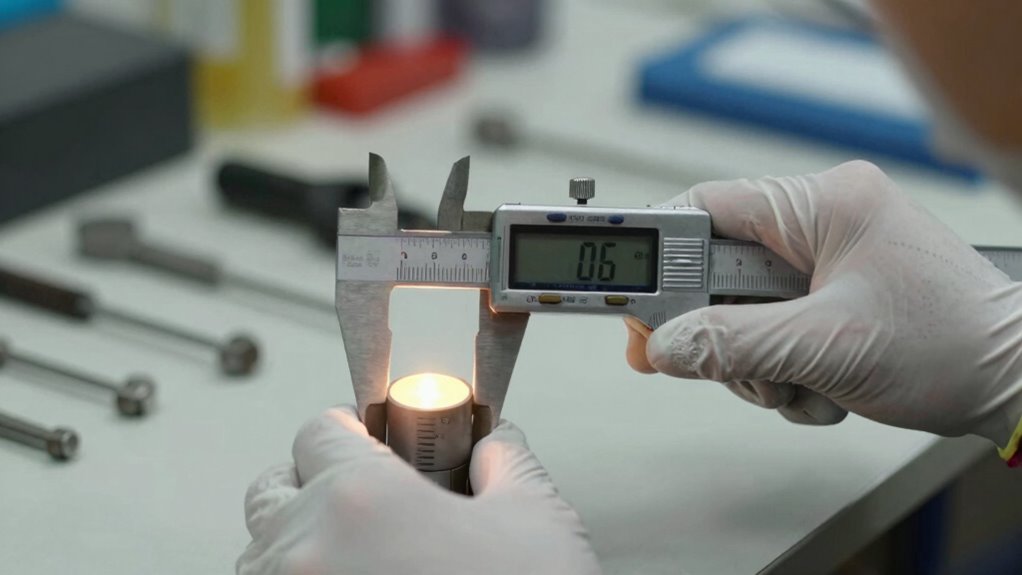
Choosing the right calibration service or partner is essential to guarantee your equipment remains accurate and reliable. You want a provider that understands measurement standards and can recommend appropriate calibration intervals to maintain precision. A good partner should have ISO accreditation, transparent pricing, and quick turnaround times. They must also provide detailed calibration reports for compliance and traceability. When selecting a service, consider their expertise with your specific instruments and industry requirements. Ensuring they follow established measurement standards helps prevent calibration errors. Additionally, a dependable partner will offer flexible scheduling to fit your production cycle. Remember, proper calibration intervals keep your equipment performing ideal, avoiding costly inaccuracies and downtime. Carefully evaluate these factors to choose a partner that safeguards your measurement integrity.
Frequently Asked Questions
How Often Should I Calibrate My Measuring Devices?
You should calibrate your measuring devices regularly based on accuracy maintenance and calibration intervals. Typically, calibration frequency depends on how often you use the device, the environment, and industry standards. For most tools, a monthly or quarterly schedule works well, but some require annual calibration. Always monitor device performance and follow manufacturer recommendations to guarantee consistent accuracy, adjusting calibration intervals as needed to maintain trust in your measurements.
What Are the Costs Associated With Professional Calibration Services?
The cost implications of professional calibration services vary based on device complexity and required precision. Service pricing can range from affordable flat rates for simple tools to higher fees for advanced equipment. You should consider these costs as an investment in accuracy and reliability. While it might seem costly upfront, professional calibration helps prevent costly errors, ensuring your measurements are trustworthy and compliant with standards, ultimately saving you money in the long run.
Can Digital Devices Calibrate Themselves Automatically?
Think of digital devices as self-driving cars—they can often calibrate themselves automatically. Self calibration benefits include reducing downtime and maintaining accuracy, but automatic calibration challenges can include misalignment due to environmental factors or software glitches. While many devices now feature automatic calibration, you should still verify their precision periodically, because even the smartest tech needs a careful eye to guarantee it’s on the right track.
How Do Environmental Factors Impact Calibration Accuracy?
Environmental factors critically impact calibration accuracy. When temperature stability is compromised, your device’s readings can drift, leading to inaccuracies. Humidity effects, such as high moisture levels, can cause electronic components to malfunction or corrode, further affecting precision. You should keep devices in controlled environments, monitor conditions regularly, and perform recalibrations after any environmental changes to ensure consistent, reliable measurements.
What Are the Legal Standards for Calibration in My Industry?
Think of industry regulations and compliance standards as your calibration GPS, guiding you to accurate results. In your industry, legal standards like ISO 17025 or FDA regulations set strict calibration requirements. Failing to meet these can lead to fines or product recalls. You need to stay current with these standards, regularly document calibration procedures, and guarantee your devices meet all legal benchmarks to keep your operations trustworthy and compliant.
Conclusion
Think of calibration like tuning a musical instrument—you need it precise to create beautiful harmony. When you regularly check and maintain your measuring devices, you guarantee your results stay trustworthy, just like a well-tuned instrument. Skipping calibration is like playing out of tune, risking errors and misjudgments. Keep your tools in perfect pitch, and you’ll always hit the right note in your measurements. Trust your devices, and let accuracy be your melody.