
TL;DR
Listen free for 30 days with Audible
Thousands of audiobooks and originals — cancel anytime.
Start your free trialAs an affiliate, we earn on qualifying purchases.
Japan has developed a new recycling method that can recover up to 90% of lithium from used EV batteries. This breakthrough could significantly impact battery supply chains and sustainability efforts.
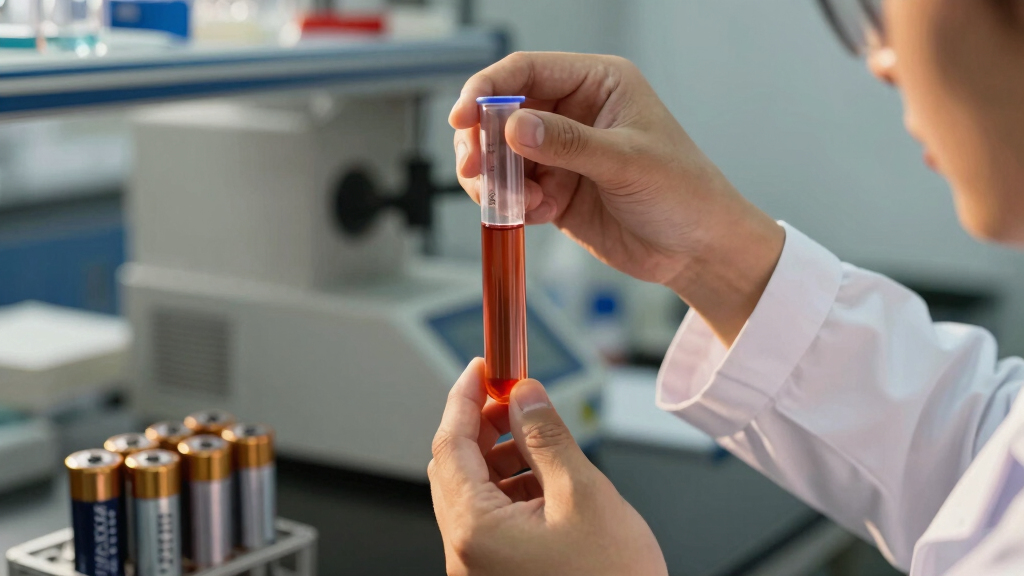
Japan has introduced a novel recycling technique capable of extracting up to 90% of lithium from used electric vehicle (EV) batteries. This development, announced by Japanese researchers and industry officials, could significantly impact global battery supply chains and sustainability efforts, as the demand for lithium continues to surge worldwide.
The new method was developed by a team of Japanese scientists working in collaboration with local industry partners. According to the research team, the process involves a combination of chemical treatments and advanced separation techniques that enable efficient extraction of lithium from spent EV batteries. Japan’s Ministry of Economy, Trade and Industry (METI) confirmed the development, emphasizing its potential to reduce reliance on lithium mining and lower environmental impacts associated with traditional extraction methods. The process reportedly achieves an extraction efficiency of up to 90%, a significant improvement over existing recycling technologies, which typically recover 50-70% of lithium. The breakthrough is still in the pilot phase, with plans to scale up testing in the coming months. Industry experts say this could help stabilize lithium supply amid rising EV adoption, especially as raw material costs remain volatile and supply chains are strained. The Japanese government has expressed interest in integrating this technology into national recycling policies and encouraging its adoption across the industry.Potential Impact on Lithium Supply and Sustainability
This development could transform the global EV battery supply chain by making recycling more efficient and cost-effective. Recovering up to 90% of lithium from used batteries could reduce dependence on mining, which is often environmentally damaging and geopolitically sensitive. It may also lower costs for manufacturers and consumers, while helping Japan and other countries meet their sustainability targets. If widely adopted, this technology could accelerate the transition to a circular economy for batteries, addressing resource scarcity and environmental concerns.
As an affiliate, we earn on qualifying purchases.
Japan’s Advances in Battery Recycling Technologies
Japan has long been a leader in battery technology and recycling innovation. Over the past decade, the country has invested heavily in research to improve recycling methods for EV batteries, aiming to reduce waste and secure critical materials. Previous efforts achieved partial recovery rates, but limitations persisted in efficiency and scalability. The recent announcement builds on these efforts, representing a significant step forward. The global demand for lithium has surged as EV sales increase, with projections estimating a tripling of lithium consumption by 2030. Countries and companies are actively seeking sustainable ways to meet this demand, making breakthroughs like Japan’s highly relevant. The development aligns with broader international commitments to reduce environmental impact and promote resource reuse.
“Japan aims to lead in sustainable resource management, and this new recycling method is a major step towards reducing reliance on imported lithium and lowering environmental impacts.”
— Yuki Saito, spokesperson for Japan’s Ministry of Economy, Trade, and Industry
As an affiliate, we earn on qualifying purchases.
Details on Commercial Deployment and Scalability
It is not yet clear when this recycling technology will be commercially available or how quickly it can be scaled to industrial levels. The pilot phase is ongoing, and there are questions about cost-effectiveness at larger scales, as well as potential technical challenges in handling diverse battery chemistries. Further testing and industry validation are needed before widespread adoption can occur.
As an affiliate, we earn on qualifying purchases.
Next Steps for Testing and Industry Adoption
Japan plans to expand pilot testing over the next six months, with industry partners exploring integration into existing recycling facilities. Researchers aim to refine the process further and evaluate economic viability at scale. International interest is also expected, as other countries consider adopting similar technologies. Monitoring will focus on deployment timelines, cost reductions, and environmental impact assessments.
As an affiliate, we earn on qualifying purchases.
Key Questions
How does this new recycling method differ from existing ones?
The new method can recover up to 90% of lithium, significantly higher than current technologies that typically recover 50-70%. It uses advanced chemical and separation techniques to improve efficiency and scalability.
When might this technology be available for commercial use?
It is still in the pilot testing phase, with commercial deployment expected within the next 1-2 years, depending on pilot results and industry validation.
What impact could this have on lithium prices?
If widely adopted, increased recycling efficiency could help stabilize or lower lithium prices by reducing dependence on mined supplies.
Will this technology be adopted outside Japan?
Potentially, as other countries and companies seek sustainable recycling solutions. International interest is expected to grow as the technology proves its viability.
What are the environmental benefits of this new process?
It could significantly reduce environmental damage associated with lithium mining and decrease waste in battery recycling, supporting global sustainability goals.
Source: hn
Fall Picks
fall essentials
As an affiliate, we earn on qualifying purchases.