TL;DR

Prime made for students and young adults
- Fast, free delivery for dorm and study essentials
- Prime Video and Amazon Music included
- Member-only deals
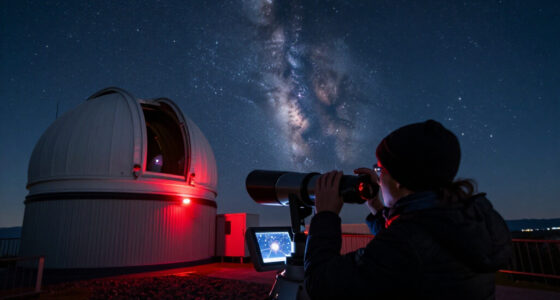
NASA’s October 2026 skywatching guide points to Saturn at opposition on Oct. 4, the Orionid meteor shower peaking Oct. 21–22 and the Moon passing near the Pleiades on Oct. 27–28. Moonlight may obscure some Orionids, so NASA advises looking before dawn after the Moon sets.
NASA published its October 2026 skywatching guide on Oct. 1, highlighting three events: Saturn at opposition on Oct. 4, the Orionid meteor shower’s peak on Oct. 21–22, and the Moon’s close pass by the Pleiades on Oct. 27–28. The dates give observers opportunities to see a planet, meteors and a star cluster, though moonlight is expected to make some Orionids harder to spot.
Saturn reaches opposition on Oct. 4, NASA says. Opposition occurs when Earth passes between the Sun and Saturn, placing Saturn opposite the Sun in Earth’s sky. It rises around sunset and remains visible for much of the night, giving observers an extended window to look for the ringed planet. NASA describes the date as one of the year’s better opportunities to see Saturn; visibility for any observer can still depend on local weather and viewing conditions.
The Orionids peak overnight from Oct. 21 into Oct. 22. NASA says the shower comes from small pieces of debris left by Halley’s Comet. Although the meteors appear to radiate from the direction of Orion, they can streak across any part of the sky. A bright waxing gibbous Moon is expected to wash out some of the fainter meteors. NASA recommends trying the hours before dawn, after moonset, and choosing a dark location.
On the night of Oct. 27–28, the Moon will pass near the Pleiades, a star cluster also called the Seven Sisters. NASA advises looking east in the evening as the Moon and cluster climb higher. The Pleiades may look like a slightly fuzzy grouping of six or seven stars to the unaided eye; binoculars or a telescope can reveal more stars and detail. NASA’s guide also includes October’s Moon phases, though the supplied report does not list their dates.
Three October Events for Skywatchers
The guide turns the month’s sky into a date-specific observing plan, with a different target for each event: Saturn for a long evening view, meteors in the early-morning hours, and a recognizable star cluster near the Moon. Readers can plan around those windows instead of relying on a single night or a single type of observation.
The Orionids’ moonlight interference is a practical constraint, not a cancellation of the shower. NASA says some faint meteors may be washed out, making timing and a dark viewing site more relevant. The recommendations also set realistic expectations: the shower can be watched across the sky, while the Moon-Pleiades pairing is a close apparent alignment in the sky, not a physical encounter between the Moon and the distant stars.
Saturn’s opposition is also of interest beyond casual viewing. NASA’s report connects the planet’s visibility to ongoing observations of its atmosphere, including a recently reported feature near its south pole. The event therefore offers an accessible reason to look up while pointing to scientific study of a world whose atmospheric patterns are still being observed.
telescope for moon and planet viewing
As an affiliate, we earn on qualifying purchases.
As an affiliate, we earn on qualifying purchases.
Saturn and the October Sky
NASA’s article, written by Raquel Villanueva of NASA’s Jet Propulsion Laboratory, was published Oct. 1 as part of the agency’s recurring “What’s Up” skywatching series. Its October schedule identifies Saturn’s opposition, the Orionids’ peak and the Moon’s passage near the Pleiades as the month’s featured events. NASA also directs readers to its skywatching resources and the Night Sky Network, a nationwide coalition of amateur astronomy clubs that shares NASA-related science with the public.
The report places Saturn’s atmospheric observations alongside the viewing advice. It says astronomers have long known of a hexagon-shaped jet stream spanning nearly 20,000 miles across Saturn’s north pole. It also reports that observations with NASA’s Hubble Space Telescope the previous month revealed a ten-sided atmospheric wave around the south pole. NASA describes that southern feature as appearing to strengthen, presenting it as a developing pattern scientists can observe over time—not as a settled explanation of its cause.
binoculars for meteor shower viewing
As an affiliate, we earn on qualifying purchases.
As an affiliate, we earn on qualifying purchases.
Local Views and Saturn’s South Pole
The guide provides dates and general observing windows, but it does not specify local visibility, weather forecasts or exact viewing times for individual locations. Conditions can vary, and the report does not give a predicted Orionid count or a rate of meteors per hour. It says moonlight may interfere with the shower, but does not quantify how many meteors observers might miss.
NASA’s description of the southern polar wave is also limited: it says the feature appears to be strengthening and gives no explanation for what is driving it or how it may develop. The supplied report does not include further measurement details from the Hubble observations. The Moon’s close pass by the Pleiades is described as a skywatching event; no angular separation is provided.
As an affiliate, we earn on qualifying purchases.
The October Viewing Windows
The next listed event is Saturn’s opposition on Oct. 4, followed by the Orionids overnight Oct. 21–22 and the Moon-Pleiades pairing on Oct. 27–28. Observers can check NASA’s skywatching resources for additional tips and consult local forecasts before choosing a time and location. For the Orionids, NASA’s stated advice is to seek a dark site and watch before dawn after moonset.
NASA’s article does not announce a separate follow-up report or give a schedule for further findings about Saturn’s southern polar wave. The atmospheric feature remains an observation scientists may continue to track, while the immediate public-facing development is the month’s observing calendar.
As an affiliate, we earn on qualifying purchases.
Key Questions
When is Saturn at opposition in October 2026?
Saturn reaches opposition on Oct. 4, according to NASA. It should rise around sunset and remain visible for much of the night, weather and local viewing conditions permitting.
When should I look for the Orionid meteor shower?
NASA lists the peak as the night of Oct. 21 into the morning of Oct. 22. It recommends looking in the hours before dawn, after the Moon sets, because moonlight may obscure fainter meteors.
Where in the sky will Orionid meteors appear?
The meteors appear to radiate from the direction of Orion, but NASA says they can streak across any part of the sky. Observers do not need to focus only on the constellation.
Can I see the Pleiades without a telescope?
Yes. NASA says the Pleiades can be seen with the unaided eye as a slightly fuzzy group of about six or seven stars. Binoculars or a telescope reveal more detail.
What is the new Saturn feature described by NASA?
NASA reports that Hubble observations the previous month revealed a ten-sided atmospheric wave around Saturn’s south pole, which the agency says appears to be strengthening. The supplied report does not explain the feature’s cause or provide a forecast for its development.
Source: primary
Halloween Picks
halloween
As an affiliate, we earn on qualifying purchases.