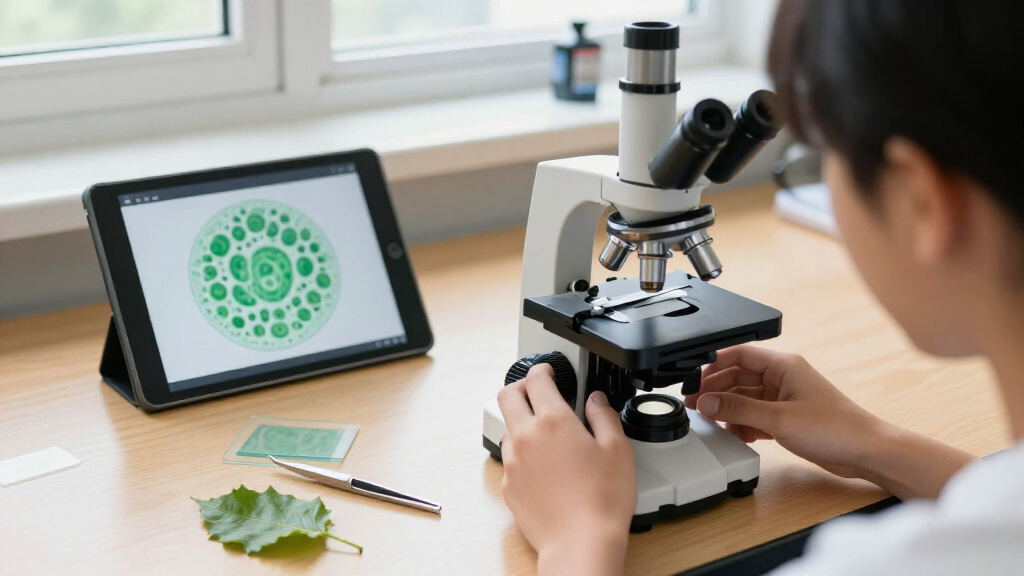
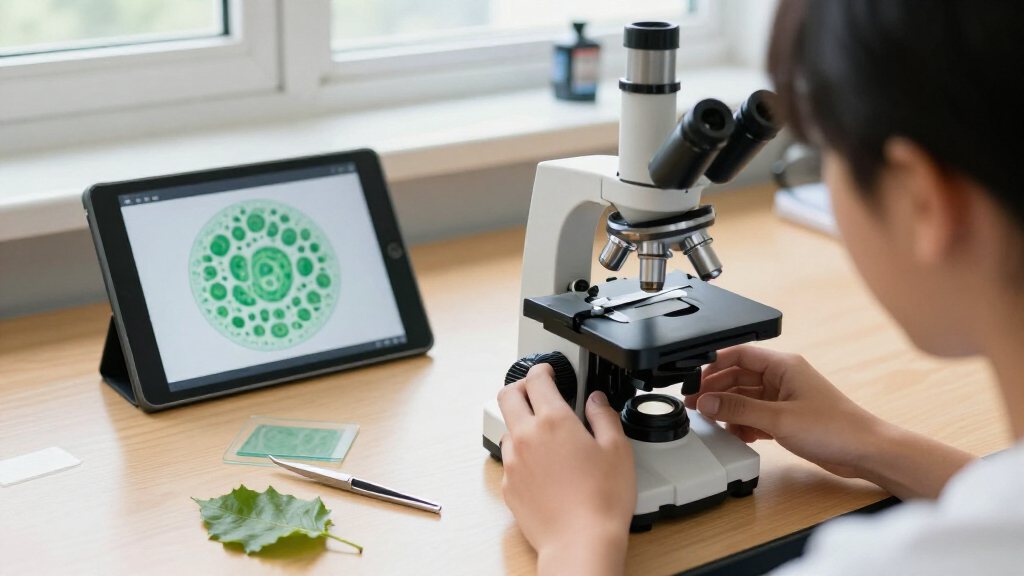
The best digital microscope for most students is the TOMLOV DM301 Pro, thanks to its large 7-inch screen, 1200X magnification and bundled slides that make it ready for real coursework out of the box. Younger students in the 4–12 range are better served by the Kids Digital Microscope STEM Kit, which trades magnification power for durability and simplicity, while serious high school or college biology students should look at the AmScope B120, a true compound microscope with a 5MP camera rather than a screen-first gadget. The core tradeoff in this category is between convenience-focused handheld and screen models and optical precision: most “1000X” digital units magnify digitally, which loses clarity compared with glass-lens compound scopes. Price also spans a huge range without always reflecting classroom usefulness. Keep reading for the full breakdown of which model fits which student.

Prime made for students and young adults
- Fast, free delivery for dorm and study essentials
- Prime Video and Amazon Music included
- Member-only deals
Key Takeaways
- Screen-first models like the TOMLOV DM301 Pro and DM301 Max won for students because a built-in display removes the friction of connecting to a phone or computer mid-lesson.
- Advertised magnification is the most misleading spec in this category: the AmScope B120 delivers sharper images at lower stated magnification than 1600X or 2000X digital units that rely on digital zoom.
- For elementary-age students, kit contents (slides, case, sample accessories) mattered more than optics — the Kids STEM Kit and HEWEIMEI P2 ranked above technically stronger scopes because they keep young users engaged.
- Handheld wireless models like the Skybasic are the most portable and cheapest way to get started, but their short working distance makes them frustrating for slide-based school assignments.
- The Andonstar AD246S-M is the only pick that outputs 2160P over HDMI, making it the clear choice for classroom demonstrations on a projector — but it is overkill for solo homework.
| Kids Digital Microscope STEM Science Kit with 32GB Card, Case & Glass Slides (Ages 4-12) |  | Best Starter Kit | Magnification: 200X-1000X (5 levels) | Storage: 32GB memory card included | Weight: 0.34 lb | VIEW LATEST PRICE | See Our Full Breakdown |
| TOMLOV DM4W Digital Microscope with Built-In Weighing Scale |  | Best Niche Pick for Young Collectors | Display: 4.3-inch HD IPS | Magnification: 10X-200X | Scale Resolution: 0.1 g | VIEW LATEST PRICE | See Our Full Breakdown |
| Handheld Digital Microscope for Kids, 1000X with 2.0″ IPS Screen |  | Best Budget Pocket Option | Magnification: 1000X | Camera: 2MP | Screen: 2.0-inch IPS | VIEW LATEST PRICE | See Our Full Breakdown |
| HEWEIMEI P2 1600X Digital Kids Microscope with 4.0″ Screen and Slides Kit |  | Best Versatile Learning Microscope | Magnification: 100x-1600x | Screen: 4.0-inch IPS | Camera: 1080P photo and video | VIEW LATEST PRICE | See Our Full Breakdown |
| Andonstar AD246S-M 3 Lens 2160P HDMI Digital Microscope 2000X for Adults |  | Best Premium Pick for Advanced Students | Resolution: 2160P UHD | Max Magnification: 2000X (with 3x digital zoom on 28-inch HDMI monitor) | Lenses: Lens A (4.5-180x), Lens D (450-510x), Lens L (15-60x) | VIEW LATEST PRICE | See Our Full Breakdown |
| AmScope B120 Series Binocular Compound Microscope with 5MP Camera |  | Best for Serious Biology Students | Magnification: 40X–2500X | Viewing Type: Binocular | Illumination: LED with specialized fly-eye lens | VIEW LATEST PRICE | See Our Full Breakdown |
| Skybasic Wireless Digital Microscope, 50X-1000X Magnification, WiFi & USB Handheld HD Camera with Adjustable Stand |  | Best Portable Pick | Magnification: 50X–1000X | Sensor: 2MP HD CMOS | Resolution: 1080P on mobile, 720P on computer | VIEW LATEST PRICE | See Our Full Breakdown |
| TOMLOV DM301 Pro Digital Microscope with 7″ Screen, 1200X Magnification, STEM Science Kit for Kids and Adults |  | Best All-in-One Learning Station | Screen: 7-inch IPS color display | Magnification: 1200X | Camera: 8MP photos, 1080P video | VIEW LATEST PRICE | See Our Full Breakdown |
| PalliPartners Compound Microscope for Adults & Students, White |  | Best Traditional Learning Kit | Magnification Range: 100X–2000X | Objective Lenses: 4X, 10X, 40X | Eyepiece: WF25X with 2X auxiliary lens | VIEW LATEST PRICE | See Our Full Breakdown |
| Digital Microscope with 4.3-Inch Display and 5-Megapixel Camera |  | Best Budget Starter Scope | Display: 4.3-inch built-in screen | Camera: Built-in 5-megapixel | Eyepieces: WF10x and WF16x wide-angle | VIEW LATEST PRICE | See Our Full Breakdown |
| Elikliv EDM4 4.3-Inch LCD Digital Microscope |  | Best Budget Starter Pick | Screen Size: 4.3 inches | Resolution: 720P HD | Magnification: Up to 1000x | VIEW LATEST PRICE | See Our Full Breakdown |
| TOMLOV DM301 Max Digital Microscope with 7-Inch Screen |  | Best STEM Kit for Serious Students | Display: 7-inch IPS screen | Magnification: Up to 1200x | Imaging: 8MP | VIEW LATEST PRICE | See Our Full Breakdown |
| digital microscopes for student | Magnification | Lighting |
|---|---|---|
| Kids Digital Microscope STEM S | 200X-1000X (5 levels) | Adjustable LED |
| TOMLOV DM4W Digital Microscope | 10X-200X | — |
| Handheld Digital Microscope fo | 1000X | — |
| HEWEIMEI P2 1600X Digital Kids | 100x-1600x | 6 LEDs, 3 brightness modes |
| Andonstar AD246S-M 3 Lens 2160 | — | Adjustable LEDs, 8 intensity levels |
| AmScope B120 Series Binocular | 40X–2500X | — |
| Skybasic Wireless Digital Micr | 50X–1000X | 8 adjustable LED lights |
| TOMLOV DM301 Pro Digital Micro | 1200X | Dual adjustable LED (top and bottom) |
| PalliPartners Compound Microsc | — | — |
| Digital Microscope with 4.3-In | — | — |
| Elikliv EDM4 4.3-Inch LCD Digi | Up to 1000x | 8 adjustable LED lights |
| TOMLOV DM301 Max Digital Micro | Up to 1200x | Adjustable top and bottom LED lights |
More Details on Our Top Picks
Kids Digital Microscope STEM Science Kit with 32GB Card, Case & Glass Slides (Ages 4-12)
This option stands out for everything arriving in the box — a 32GB memory card, five real glass prepared slides, a hard-shell EVA case, and a neck strap — which means no extra purchases before a curious kid can start exploring. Compared with the BMDSAE handheld, which ships with a lanyard and little else, this kit makes far more sense as a first microscope or a gift, especially for the 4–12 age range. The five-level magnification (200X–1000X) and simple focus controls keep the learning curve gentle, and the 0.34 lb weight suits small hands and backyard expeditions. The tradeoffs are real, though: battery life caps out around 2.5 hours, and higher magnification settings demand patient focus work that younger children may find frustrating without adult help.
Pros:- Complete ready-to-use kit with 32GB card, glass slides, case, and accessories
- Real lab-grade glass slides give an authentic introduction to biology
- Featherlight at 0.34 lb with simple focus and adjustable LED for beginners
- USB-C rechargeable with photo and video capture built in
Cons:- Battery limited to about 2.5 hours per charge
- High magnifications require careful focus adjustment young kids may struggle with
Best for: Parents and grandparents buying a complete, gift-ready first microscope for kids aged 4–12
Not ideal for: Older students doing sustained lab-style sessions — the short battery life and kid-oriented build won’t keep pace
- Magnification:200X-1000X (5 levels)
- Storage:32GB memory card included
- Weight:0.34 lb
- Battery:Rechargeable, ~2.5 hours continuous use
- Slides:5 real glass prepared specimens
- Lighting:Adjustable LED
- Recommended Age:4-12 years
Our verdict“Buy this if you want a true open-the-box science experience for a young child; skip it for serious study sessions.”
TOMLOV DM4W Digital Microscope with Built-In Weighing Scale
Most student microscopes chase biology; this one quietly serves a different audience — kids who collect coins, rocks, and gems and want to weigh what they inspect. Pairing a 0.1 g resolution scale with a 4.3-inch IPS screen and 10X–200X zoom, the DM4W turns specimen study into a mini lab exercise in measurement and documentation. Compared with the HEWEIMEI P2, the magnification range is far more modest, but the screen quality is comparable and the added weighing function is something no other pick in this lineup offers. The honest tradeoffs: ±0.5 g accuracy means it’s an educational tool, not a precision instrument, and the USB output only reaches full usefulness with a computer alongside it. For a student cataloguing a coin or mineral collection, though, that combination of seeing and weighing is genuinely engaging.
Pros:- Unique two-in-one design combining magnification and weighing
- Clear 4.3-inch HD IPS screen with 10X-200X zoom
- Multiple weighing units (g, oz, ct) support real cataloguing projects
- Portable with built-in LED lighting and rechargeable battery
Cons:- Scale accuracy of ±0.5 g is loose for small or valuable specimens
- Larger-screen viewing requires tethering to a Windows or macOS computer
Best for: Elementary and middle-school students who collect coins, gemstones, or minerals and want to weigh and inspect finds
Not ideal for: Biology-focused students — the 200X ceiling and 3mm-less slide workflow can’t compete with slide-ready models like the HEWEIMEI P2
- Display:4.3-inch HD IPS
- Magnification:10X-200X
- Scale Resolution:0.1 g
- Scale Accuracy:±0.5 g
- Weighing Units:g, oz, ct
- Connectivity:USB output, Windows and macOS
- Battery:Built-in rechargeable
Our verdict“A fun, focused tool for the young collector who wants numbers alongside images, not for the student who needs serious magnification.”
Handheld Digital Microscope for Kids, 1000X with 2.0″ IPS Screen
This is the pick for families who want microscope fun without a microscope budget. The BMDSAE handheld delivers 1000X magnification with manual focus, an anti-shake design, eight adjustable LEDs, and a 2.0-inch IPS screen in a shock-absorbent body rated for ages 3–12 — with CE/FCC/CPC safety certifications to back it up. It undercuts the Kids STEM Science Kit on included accessories, but its sheer simplicity and rugged casing make it better suited to rough-and-tumble outdoor use and very young explorers. The compromises show up quickly in practice: the 2.0-inch screen is cramped for sharing discoveries, and the internal 32M storage fills after roughly 200 photos, so serious documenting means exporting often. Around two hours of battery per charge also means it’s an adventure tool, not a lab bench instrument.
Pros:- Real 1000X magnification with manual focus control
- Shock-absorbent casing with CE/FCC/CPC safety certifications
- Photos and videos exportable to Windows and Mac
- Lightweight with carry lanyard for on-the-go use
Cons:- Battery limited to roughly 2 hours per charge
- 32M internal storage fills after about 200 photos or a few videos
Best for: Budget-minded families with young kids (3–12) who want a durable, pocketable microscope for outdoor exploring
Not ideal for: Students who want to record and review lots of footage — the tiny screen and 32M storage make documentation a chore
- Magnification:1000X
- Camera:2MP
- Screen:2.0-inch IPS
- Illumination:8 adjustable LEDs, 3 brightness modes
- Battery:600mAh, ~2 hours, USB rechargeable
- Storage:32M internal (200+ photos or AVI video)
- Age Range:3-12 years
- Warranty:12 months
Our verdict“The most affordable way to put real magnification in a young child’s pocket — just don’t expect it to archive a science project.”
HEWEIMEI P2 1600X Digital Kids Microscope with 4.0″ Screen and Slides Kit
The P2 earns its spot through flexibility no handheld-only rival can match: a 3-in-1 detachable design that works as a desktop scope, a handheld explorer, and a portable field unit. With a 4.0-inch IPS screen — double the display area of the BMDSAE pocket model — plus a 1080P camera, six adjustable LEDs, and a slides-and-preparation kit, it bridges the gap between toy and genuine study tool for ages 3–14. The included sample prep kit is a meaningful step up from pre-made slides alone, teaching kids to make their own specimens. Two caveats temper the enthusiasm: the non-removable lithium battery means the scope’s useful life is tied to that single cell, and the 1600X claim leans on digital zoom, so real optical clarity tops out lower — expect softness at the extremes compared with dedicated optics.
Pros:- 3-in-1 design covers desktop, handheld, and portable use cases
- Large 4-inch IPS screen with 1080P photo and video capture
- Slides and sample preparation kit included for hands-on learning
- Six LED fill lights with three brightness modes handle dim conditions
Cons:- Non-removable, non-replaceable built-in battery limits long-term lifespan
- 1600X maximum relies on digital zoom and falls short of true optical clarity
Best for: Students aged roughly 6–14 who want one device for desk study, handheld exploring, and field trips
Not ideal for: Buyers who expect a long-lived instrument — the sealed battery can’t be replaced once it degrades
- Magnification:100x-1600x
- Screen:4.0-inch IPS
- Camera:1080P photo and video
- Modes:Desktop, handheld, portable (3-in-1 detachable)
- Lighting:6 LEDs, 3 brightness modes
- Included Items:Microscope, slides, sample prep kit, lanyard, manual
- Recommended Age:3-14 years
Our verdict“The best single purchase for a student who wants to both prepare slides at a desk and roam outdoors, if you accept the sealed-battery lifespan.”
Andonstar AD246S-M 3 Lens 2160P HDMI Digital Microscope 2000X for Adults
This is the roundup’s ceiling — a three-lens system covering soldering and repair (15–60X), coin and specimen work (4.5–180X), and biological slides (450–510X), with 2160P ultra HD recording and HDMI output to a big screen. For a high school student leaning into electronics, entomology, or a serious science fair project, the AD246S-M outclasses everything else here in optical flexibility and image quality; even the capable TOMLOV DM4W feels like a toy beside its metal boom arm stand and wireless remote. The tradeoffs are equally clear. Lens swaps require unscrewing and remounting rather than a quick-change mechanism, which slows multi-session work, and hitting the advertised 2000X depends on a 28-inch HDMI monitor for digital zoom. It’s also a desk-bound system — nothing like the portable HEWEIMEI P2 for field use.
Pros:- Three interchangeable lenses cover soldering, coin inspection, and biological slides
- Ultra HD 2160P recording with HDMI output to external screens
- Sturdy adjustable metal boom arm stand handles soldering work
- Full accessory kit including 32GB micro SD card, prepared slides, and wireless remote
Cons:- Lens changes require removing and reinstalling screws rather than a quick-swap mount
- Full 2000X magnification only achievable on a large 28-inch HDMI monitor
Best for: Advanced high school students and hobbyists working on soldering, coin inspection, or slide-based biology projects
Not ideal for: Younger kids and casual explorers — it’s expensive, desk-bound, and overkill compared with handheld picks like the BMDSAE
- Resolution:2160P UHD
- Max Magnification:2000X (with 3x digital zoom on 28-inch HDMI monitor)
- Lenses:Lens A (4.5-180x), Lens D (450-510x), Lens L (15-60x)
- Output:HDMI; USB to Windows PC
- Stand:Adjustable metal boom arm, 7 x 7.8 x 13 inches
- Lighting:Adjustable LEDs, 8 intensity levels
- Storage:32GB Micro SD card included
- Remote:Wireless remote control
Our verdict“Worth the premium only for a committed student with a dedicated workspace and a specific discipline — electronics, numismatics, or biology.”
AmScope B120 Series Binocular Compound Microscope with 5MP Camera
The AmScope B120 is the closest thing in this lineup to a real laboratory instrument, and that’s exactly why it earns its spot. With 40X–2500X magnification through a true binocular compound design, it resolves cellular detail that screen-first options like the Skybasic or TOMLOV DM301 Pro simply cannot reach — those are digital magnifiers at heart, while this is an optical microscope first. The fly-eye LED illumination delivers bright, daylight-balanced light across the field of view, which matters for students doing extended slide work like cell division or staining exercises. The included 5MP USB camera and analysis software let students document labs on a laptop. The tradeoff is weight and complexity: this is a desk-bound instrument with no built-in screen, no battery power, and a steeper learning curve than all-in-one kits like the PalliPartners.
Pros:- True compound binocular optics with an exceptional 40X–2500X range
- Fly-eye LED illumination produces bright, even, daylight-balanced lighting
- 5MP USB camera with image capture and analysis software for lab documentation
- 3D stage and dual eyepieces support comfortable extended observation sessions
Cons:- Requires connection to a computer for digital imaging — no built-in screen
- Heavy and stationary compared to portable options like the Skybasic
Best for: High school and college biology students who need genuine optical performance for coursework and lab documentation
Not ideal for: Younger kids or casual users — it requires a computer for digital viewing and offers none of the toy-like convenience of handheld models
- Magnification:40X–2500X
- Viewing Type:Binocular
- Illumination:LED with specialized fly-eye lens
- Camera:5MP USB microscope camera
- Software:Image capture and analysis software
- Stage:3D stage
Our verdict“This is the pick for students who need a real lab-grade microscope rather than a digital toy.”
Skybasic Wireless Digital Microscope, 50X-1000X Magnification, WiFi & USB Handheld HD Camera with Adjustable Stand
Where the AmScope B120 anchors a desk, the Skybasic wireless lives in a backpack. Its core strength is dual connectivity: WiFi pairing to phones and tablets for 1080P viewing, or USB to a Windows or Mac computer, so a whole classroom of devices works with it. The eight adjustable LED lights make surface details pop on leaves, coins, fabrics, and insects, and the included stand frees both hands during observation. Compared with the TOMLOV DM301 Pro, it trades screen size for portability — no built-in display means your phone becomes the eyepiece, which is actually a plus for kids who find sharing a small screen awkward. Buyers should be honest about its limits, though: the fixed-focus design behaves more like a powerful magnifier than a true microscope, so it won’t replace a compound scope for biology class. Setup quirks, like needing the updated app and removing a protective film, add friction.
Pros:- Connects wirelessly to phones and tablets or via USB to computers
- Eight adjustable LED lights illuminate uneven surfaces well
- Lightweight with an included stand for hands-free use
- One-button photo and video capture in 1080P on mobile
Cons:- Fixed-focus design is closer to a magnifying glass than a true microscope
- Some controls only work in WiFi mode, not over USB
- Initial setup is fiddly — app downloads and film removal required
Best for: Curious kids and hobbyists who want a grab-and-go scope for outdoor exploration and phone-based viewing
Not ideal for: Students needing genuine biological magnification of cells or slide specimens — the fixed focus won’t resolve them
- Magnification:50X–1000X
- Sensor:2MP HD CMOS
- Resolution:1080P on mobile, 720P on computer
- Lighting:8 adjustable LED lights
- Connectivity:WiFi (Android/iOS) and USB (Windows/Mac)
- Focal Length Range:3–60 mm
- Power:Rechargeable, USB cable included
- Warranty:One-year replacement service
Our verdict“A fun, pocketable exploration tool for young scientists — just don’t expect lab-level results.”
TOMLOV DM301 Pro Digital Microscope with 7″ Screen, 1200X Magnification, STEM Science Kit for Kids and Adults
The TOMLOV DM301 Pro sits in the sweet spot between toy and tool. Its 7-inch IPS screen with adjustable viewing angle is the standout feature — a group of students can watch together without huddling over one eyepiece, something neither the Skybasic (phone-only) nor the 4.3-inch display model can match. The dual top and bottom LED lighting means it handles both prepared slides and solid objects like leaves or circuit boards, and the bundled prepared and blank slides make it genuinely STEM-ready out of the box. Add wireless app control, HDMI output to projectors for classroom demos, and three hours of battery for field use, and it covers nearly every learning scenario. The compromise is precision: at 1200X with achromatic lenses, it won’t match the AmScope B120’s optical clarity for advanced biology, so serious coursework students should look upstream.
Pros:- Large 7-inch adjustable IPS screen lets groups view specimens together
- Projects to TVs, laptops, and projectors via USB/HDMI for classroom demos
- Complete kit with carrying case, SD card, and prepared and blank slides
- Three-hour battery life supports field trips and outdoor lessons
Cons:- 1200X ceiling and achromatic optics fall short of true laboratory-grade detail
- Larger footprint than handheld alternatives like the Skybasic
Best for: Families and classrooms wanting a shareable, everything-included microscope for mixed-age science learning
Not ideal for: College-level biology students who need professional optical precision and true high-magnification resolution
- Screen:7-inch IPS color display
- Magnification:1200X
- Camera:8MP photos, 1080P video
- Connectivity:WiFi app (iOS/Android), USB/HD output
- Lighting:Dual adjustable LED (top and bottom)
- Battery Life:Up to 3 hours
- Accessories:Carrying case, micro SD card, power and TV cables, 10 slides
- Warranty:1 year manufacturer warranty
Our verdict“The best single purchase for a household or classroom that wants a complete, screen-equipped science station.”
PalliPartners Compound Microscope for Adults & Students, White
The PalliPartners compound microscope takes the classic approach: real eyepieces, real objective lenses, and a slide stage — then adds just enough modern convenience to satisfy a smartphone generation. Its 100X–2000X range through glass optics gives students authentic eyepiece experience, which the TOMLOV DM301 Pro skips entirely with its screen-first design. The clever part is the phone adapter and Bluetooth remote shutter, turning any smartphone into a camera without built-in electronics that can become obsolete. With 28 slides, dual top/bottom LED lighting, and coaxial coarse and fine focus, it covers the full middle and high school curriculum, and the SGS safety certification reassures parents. Compared to the AmScope B120, it’s more accessible and kid-friendly but less precise — best kept to basic and intermediate work rather than serious lab documentation.
Pros:- Authentic eyepiece viewing with true glass optics up to 2000X
- All-in-one kit with 28 slides, phone adapter, and Bluetooth shutter
- Dual top/bottom LED illumination handles both opaque and translucent specimens
- SGS safety certified for supervised use by kids and teens
Cons:- Basic-to-intermediate quality — not a professional-grade instrument
- Younger children ages 10–12 need adult supervision
Best for: Middle and high school students (and their parents) who want a traditional eyepiece microscope with a complete starter kit
Not ideal for: Advanced students or anyone wanting built-in digital viewing — this is a hands-on optical instrument, not a screen device
- Magnification Range:100X–2000X
- Objective Lenses:4X, 10X, 40X
- Eyepiece:WF25X with 2X auxiliary lens
- Slides Included:28 (10 prepared, 18 blank)
- Accessories:Phone clip adapter, Bluetooth remote shutter, power adapter
- Illumination:Adjustable top and bottom LED
- Focus:Coaxial coarse and fine focus
- Safety Certification:SGS certified (non-toxic, electrical safety)
- Recommended Age:8–18 (10–12 with adult supervision)
Our verdict“The strongest choice for students learning proper microscope technique rather than just viewing images on a screen.”
Digital Microscope with 4.3-Inch Display and 5-Megapixel Camera
This unnamed-brand 4.3-inch digital microscope is the entry point of the lineup: a built-in screen, a 5MP camera, and a genuinely generous accessory bundle including 100 coverslips, slides, specimens, and lab tools. That completeness is its main argument against pricier picks — a beginner gets everything needed to start exploring on day one, where the Skybasic offers no slides at all. The dual power options (cable or batteries) also give it flexibility the desk-bound AmScope B120 lacks. Its honest limitation is scale: the 4.3-inch display is compact compared to the TOMLOV DM301 Pro’s 7-inch IPS panel, making group viewing awkward, and the listed magnification range is inconsistently documented — settings are specified only up to 2000X despite higher claims in the title, so buyers should expect solid mid-range performance rather than edge-of-spec results. Still, as a low-commitment first microscope, it covers the basics sensibly.
Pros:- Built-in 4.3-inch display enables immediate viewing without a phone or computer
- Remarkably complete accessory bundle with slides, 100 coverslips, specimens, and lab tools
- Runs on either data cable or batteries for flexible placement
- WF10x and WF16x wide-angle eyepieces with achromatic objectives
Cons:- Small display limits group viewing compared to 7-inch rivals
- Inconsistent magnification documentation — title and specs disagree, so top-end performance is uncertain
Best for: First-time buyers and younger students who want a self-contained kit without spending much
Not ideal for: Anyone who needs reliable high-magnification performance or a screen big enough for shared viewing
- Display:4.3-inch built-in screen
- Camera:Built-in 5-megapixel
- Eyepieces:WF10x and WF16x wide-angle
- Objective Lenses:4x, 10x, 40x achromatic
- Magnification Settings:100x, 200x, 250x, 500x, 1000x, 2000x
- Power:Data cable or batteries
- Included Accessories:Phone holder, 5 specimens, 5 slides, 100 coverslips, lab tools
Our verdict“A sensible, low-risk starter kit for beginners, as long as expectations stay at the hobby level.”
Elikliv EDM4 4.3-Inch LCD Digital Microscope
For students who need a self-contained digital microscope without a big spend, this option stands out for its built-in 4.3-inch LCD screen and simple operation. Compared with the TOMLOV DM301 Max, the screen is smaller and the imaging less sharp, but the lower complexity makes it a friendlier entry point for younger learners or first-time users. The 8 adjustable LED lights mean coins, circuit boards, and leaves stay visible even in a dim classroom, and PC connection to Windows or MacBook lets a whole laptop display the view for group work.
The tradeoffs are real: you’ll need to supply your own microSD card before any photo or video capture works, and the 1000x figure depends heavily on screen size and distance, so expect practical magnification lower than the headline number. Still, for the price, the height-adjustable stand and 3-hour rechargeable battery make this a solid, low-risk first microscope.
Pros:- Built-in 4.3-inch LCD screen reduces eye and neck strain versus traditional eyepiece microscopes
- 8 adjustable LED lights keep subjects clearly lit in low-light conditions
- Connects to Windows and MacBook for a larger shared view and easy image saving
- Height-adjustable stand enables precise focus and flexible viewing angles
Cons:- Memory card required for photo and video capture is not included
- Real-world magnification falls short of the 1000x claim depending on screen size and camera distance
Best for: Students and hobbyists wanting an affordable, screen-equipped microscope for coins, stamps, and casual STEM exploration
Not ideal for: Buyers who expect true 1000x performance or want everything included out of the box, since the memory card is sold separately
- Screen Size:4.3 inches
- Resolution:720P HD
- Magnification:Up to 1000x
- Lighting:8 adjustable LED lights
- PC Compatibility:Windows, MacBook
- Battery:Built-in rechargeable, up to 3 hours
- Stand:Height-adjustable
Our verdict“A sensible low-cost entry point for students who want screen-based viewing without investing in a more advanced model.”
TOMLOV DM301 Max Digital Microscope with 7-Inch Screen
This model makes the most sense for students ready to move beyond a starter scope. Its 7-inch IPS display with adjustable viewing angle is a clear step up from the Elikliv EDM4‘s 4.3-inch panel, and the 8MP imaging with 1080p video produces records worth saving to a lab notebook or class presentation. Where cheaper handheld models limit you to solid objects, the dual top and bottom LED lighting plus the metal X-Y stage with 1.0 mm scale divisions let students examine both prepared slides and three-dimensional specimens, mirroring how a real lab scope behaves.
The bundled 5 prepared slides, 5 blank slides, and 8GB microSD card mean class can start the day it arrives — a genuine advantage over kits that require extra purchases. Tradeoffs: the 3-hour battery can run dry mid-session during long lab blocks, and Wi-Fi sharing assumes every student has a compatible mobile device, which isn’t a given in every classroom.
Pros:- Large 7-inch IPS screen with adjustable angle for comfortable extended viewing
- Captures 8MP still images and 1080p video for documentation and projects
- Wi-Fi app sharing plus USB and HD output to external displays
- Includes slides, 8GB microSD card, and accessories so it works right out of the box
Cons:- Up to 3 hours of battery life may require recharging during longer lab sessions
- Wi-Fi app control depends on each student having a compatible mobile device
Best for: Middle and high school students, and STEM programs, that need slide-ready magnification, image capture, and sharing in one complete package
Not ideal for: College-level biology work requiring true optical compound magnification, which a digital scope at this level can’t fully replicate
- Display:7-inch IPS screen
- Magnification:Up to 1200x
- Imaging:8MP
- Video:1080p
- Connectivity:Wi-Fi, USB, HD
- Lighting:Adjustable top and bottom LED lights
- Stage:Metal X-Y stage with 1.0 mm scale divisions
- Battery Life:Up to 3 hours
- Included Accessories:8GB microSD card, carrying case, cables, 5 prepared and 5 blank slides
Our verdict“The most complete classroom-ready package here for students who need slide viewing, capture, and sharing without buying extras.”
How We Picked
My ranking is built around one question: which microscope actually helps a student learn without fighting the tool? I weighted ease of use first — whether a model has its own screen, how stable its stand is, and how quickly a student can go from unboxing to viewing a slide. Optical quality came second, judged by sensor resolution, lens type and whether magnification is achieved through glass optics or digital zoom, since digital zoom degrades image detail rapidly at the top of a claimed range.
From there I evaluated age fit and curriculum relevance: elementary students need rugged builds and included accessories, while middle and high school students need enough resolution to see cell structure and complete lab assignments. I also factored in connectivity (HDMI and PC support for classroom sharing), bundled value (slides, SD cards, cases) and long-term durability. Models that rank lower are not bad products — they simply serve narrower use cases, or their headline specs promise more classroom value than they deliver for the price.
Factors to Consider When Choosing Digital Microscopes For Students
Before choosing a specific model, it helps to understand what actually separates a useful student microscope from an impressive-sounding one. These are the factors that shaped my rankings and the mistakes I see buyers make most often.Real Magnification vs. Digital Zoom
The single most common mistake is buying on the magnification number alone. A scope advertised at 1000X or 2000X usually combines modest optical magnification with digital zoom, which stretches pixels rather than revealing detail — images get larger but blurrier. A traditional compound microscope like the AmScope B120 with 40X–1000X glass-objective magnification will show far more detail at 400X than a digital unit will at 1000X. For students studying cells, bacteria or slide specimens, optical quality matters more than the number on the box. Reserve high-magnification digital claims for surface inspection tasks like coins, circuit boards and insects, where they genuinely perform well.
Age and Independence Level
A microscope a child can operate alone keeps curiosity alive; one that requires adult setup every session ends up in a closet. For ages 4–12, prioritize rugged construction, large buttons and included prepared slides so there is always something to look at immediately. Middle schoolers benefit from a built-in screen they can focus and adjust themselves, while high school and college students can handle a binocular compound scope with proper focusing mechanics. Matching the tool to the student’s independence level will do more for engagement than any spec sheet. Also consider whether the student will transport it — a heavy glass-lens scope is a poor fit for a locker-to-backpack routine.
Built-In Screen vs. Phone/Computer Connection
Digital microscopes display images three ways: an onboard LCD screen, a WiFi connection to a phone, or a USB cable to a computer. Each suits a different situation. A built-in screen like those on the TOMLOV DM301 models is the lowest-friction option for daily student use — no pairing, no app crashes, no device-sharing arguments in a classroom. WiFi handhelds are cheaper and great for field work, but the app experience varies and connections drop. USB-to-computer setups offer the largest display and easiest screenshot saving, but they tie the student to a desk. HDMI output, as on the Andonstar, is the best option when a whole class needs to see the same image.
Stand Stability and Working Distance
Stand quality is the most overlooked factor in this category. A flimsy or top-heavy stand makes focusing maddening, because every adjustment shakes the image. Look for a weighted base, smooth height adjustment and secure specimen stage — especially if the student will work with glass slides. Working distance matters too: handheld models held by hand or perched on short stands work fine for flat objects but struggle with three-dimensional specimens or anything requiring both hands. If the student will do slide work for biology class, a stand with slide clips is close to mandatory.
Kit Contents and Consumables
What comes in the box often determines whether a microscope gets used past the first week. Prepared slides give immediate gratification, blank slides and tools enable the experimentation phase, and an SD card lets students save images for reports and science fairs. Models like the Kids STEM Kit and HEWEIMEI P2 rank highly partly because their accessory bundles turn the scope into a complete science program. When comparing two similarly priced units, the one with a real specimen kit delivers more learning value than a marginal bump in resolution. Just verify glass slides versus plastic — glass gives clearer images but needs careful handling with younger students.
When to Pay More
Paying more makes sense in two scenarios. First, when the student is pursuing serious biology coursework — a binocular compound scope with a real camera, like the AmScope B120, is an investment that carries a student from high school into college labs. Second, when the microscope needs to serve a classroom or group, where HDMI output and a larger sensor justify the premium. Beyond those cases, mid-range screen models deliver the best learning-per-dollar, and extra spend mostly buys magnification claims that won’t hold up in practice. Avoid paying for features the student won’t use this year; a cheaper scope now and an upgrade later usually beats an over-equipped purchase that intimidates a beginner.
Frequently Asked Questions
Is a 1000X digital microscope good enough for school biology work?
It depends on what the class requires. For viewing insects, leaves, fabrics, coins and prepared slides at a general level, 1000X digital models are more than adequate and far easier to use than a lab compound scope. However, if the curriculum requires identifying cell structures, organelles or bacteria, most digital-only units fall short because their high magnification relies on digital zoom, which produces blurry results past a certain point. In that situation a compound microscope with glass objectives — even at a lower stated magnification — resolves far more detail. If biology is becoming a serious subject for the student, the AmScope B120 is the safer long-term choice; otherwise a screen-based digital model will cover everyday assignments comfortably.
Built-in screen or WiFi-to-phone: which is better for a student?
For most students, a built-in screen is the better choice because it removes the most common failure points: app glitches, dropped connections and a phone that is needed for something else. A student with an onboard display can view, focus and capture images entirely within the device, which matters for younger users and shared classroom settings. WiFi handheld models earn their place when portability or budget is the priority — they are typically cheaper and easy to toss in a backpack for outdoor exploration. The tradeoff is that the phone becomes part of the microscope, which can be a distraction or a dealbreaker if the student shares a family device. If the microscope will live on a desk at home, choose a screen; if it will travel, WiFi makes sense.
What is the right microscope for a child under 10?
At that age, durability and instant gratification matter more than optics. Look for a model with a rugged housing, simple controls, an included case and — most of all — prepared slides and sample accessories, because a young child needs something interesting to look at the moment the box opens. Magnification claims above a few hundred times are wasted on this age group; what counts is a bright, stable image and a stand that does not tip over. The Kids STEM Kit in this lineup is built exactly for this profile, and the HEWEIMEI P2 with its 4-inch screen is a good step up for a more careful child. Resist buying a precision instrument hoping the child will grow into it — a broken expensive scope teaches nothing.
Can these microscopes save images for reports and science fair projects?
Most of them can, but the method varies and it affects convenience. Models with an SD card slot — like the TOMLOV units and the Kids STEM Kit with its included 32GB card — save photos and video directly on the device, which is the simplest workflow for a student assembling a report. USB-connected models like the Elikliv EDM4 can capture through computer software, which makes organizing and annotating images easier but requires a PC at every session. WiFi models save to the phone’s camera roll, which is convenient until storage fills or the connection drops mid-capture. If documenting work is a priority, treat an included or supported SD card as a genuine feature rather than a bonus.
Is a compound microscope with a camera better than a digital microscope for a high school student?
If the student is on a biology or pre-med track, yes — and it is not close. A compound microscope like the AmScope B120 uses real glass objective lenses on a rotating turret, produces genuinely sharp magnification across multiple levels, and teaches proper microscope technique that transfers directly to college labs. The attached 5MP camera adds digital documentation without sacrificing optical quality. The compromise is cost, weight and a steeper learning curve: there is no big touchscreen, and focusing takes practice. For a student who just needs occasional magnified views for homework, a digital screen model is the more practical purchase. But for sustained scientific study, the compound scope is the one that grows with the student.
Conclusion
The right pick depends on who is holding the microscope. For the best overall choice, the TOMLOV DM301 Pro hits the sweet spot of large screen, strong magnification and included STEM accessories that work for a wide age range. The best value goes to the Elikliv EDM4, which delivers a capable 4.3-inch screen and solid stand performance at a friendlier price than its 7-inch siblings. For beginners and young children, the Kids Digital Microscope STEM Kit is the clear starting point — rugged, simple and loaded with things to look at on day one.
At the premium end, the AmScope B120 is the pick for serious biology students, pairing genuine compound optics with a 5MP camera, while the Andonstar AD246S-M suits buyers who need classroom demonstration power through its HDMI output and multi-lens setup. Specific needs fill in the rest: the Skybasic wireless handheld for portable field exploration, the HEWEIMEI P2 as a screen-and-slides middle ground, the PalliPartners compound scope for a traditional lab feel at a student price, and the TOMLOV DM301 Max when the biggest, clearest screen is the priority. Match the tool to the student’s age, coursework and independence level, and any of these picks will earn its place on the desk.
Fall Picks
fall essentials
As an affiliate, we earn on qualifying purchases.