TL;DR
The Perseid meteor shower is expected to be visible tonight, with peak activity around 2 a.m. local time. Viewers should look toward the northeastern sky for the best experience. Exact timing may vary by location.
The Perseid meteor shower is expected to be visible tonight, with the best viewing conditions occurring around 2 a.m. local time, according to astronomers. This event offers skywatchers a chance to see dozens of shooting stars, weather permitting, making it a notable night for stargazing enthusiasts.
According to the American Meteor Society and NASA, the Perseid meteor shower reaches its peak between midnight and dawn tonight, with the highest activity around 2 a.m. local time. Visibility depends on weather conditions, with clear skies providing the best opportunity to observe the shooting stars. The meteors are expected to appear across the northeastern sky, away from city lights, which can obscure the view.
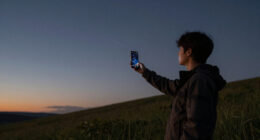
Skywatchers are advised to find a dark, open area away from light pollution, and to give their eyes about 20 minutes to adjust to the dark for optimal viewing. The Perseids are known for their bright, fast-moving meteors, and this year’s event is considered one of the most active in recent years, with estimates of up to 100 meteors per hour at peak.
Why Tonight’s Meteor Shower Is a Major Skywatching Event
This meteor shower offers a rare opportunity for the public to witness a natural celestial display, with peak activity expected around 2 a.m. It provides a chance for amateur astronomers and the general public to observe shooting stars without special equipment, fostering interest in astronomy and natural science. Additionally, the event highlights the ongoing importance of dark-sky preservation to maximize visibility of such phenomena.
stargazing telescope for beginners
As an affiliate, we earn on qualifying purchases.
As an affiliate, we earn on qualifying purchases.
Recent Meteor Shower Activity and Expectations for Tonight
The Perseid meteor shower, originating from debris left by Comet Swift-Tuttle, occurs annually in August. It is one of the most reliable and visually spectacular meteor showers, with previous years seeing similar peak activity levels. Astronomers have predicted that this year’s Perseids will be particularly bright, thanks to favorable weather forecasts and the moon’s phase, which minimizes light interference.
Previous nights have seen some activity, but tonight’s peak is expected to deliver the most meteors. The event has been widely anticipated, with searches for the best viewing times trending on social media, including in the United States where the event is most visible.
“If skies are clear, viewers could see up to 100 meteors per hour during the peak around 2 a.m.”
— John Miller, American Meteor Society
As an affiliate, we earn on qualifying purchases.
Weather Conditions Could Affect Visibility Tonight
While astronomers have confirmed the timing of the peak, actual visibility depends heavily on local weather conditions. Cloud cover, fog, or light pollution could significantly reduce the number of visible meteors. It is not yet clear how widespread clear skies will be across different regions.
outdoor camping star observation kit
As an affiliate, we earn on qualifying purchases.
As an affiliate, we earn on qualifying purchases.
Upcoming Opportunities for Meteor Shower Viewing and Astronomical Events
After tonight, the Perseid meteor shower will diminish in intensity, but minor activity may continue into the early morning hours. Skywatchers are advised to check local weather forecasts and plan to observe during the peak hours for the best chance to see the meteors. The next major meteor shower expected later this year is the Geminids in December, which also promises spectacular viewing conditions.
night vision binoculars for astronomy
As an affiliate, we earn on qualifying purchases.
As an affiliate, we earn on qualifying purchases.
Key Questions
What is the best time to see the meteor shower tonight?
The best time to view the Perseid meteor shower is around 2 a.m. local time, when activity peaks. However, viewing conditions depend on clear skies and minimal light pollution.
Where should I go to see the meteor shower?
Find a dark, open area away from city lights, ideally with a clear northeastern sky view. Elevation and minimal light pollution improve visibility.
Will the moon affect the visibility of the meteor shower?
Moon phase can influence visibility; a new moon provides the best dark sky, while a bright moon can wash out fainter meteors. This year, moonlight interference is minimal.
How many meteors can I expect to see tonight?
At peak, observers in optimal conditions might see up to 100 meteors per hour, according to experts like the American Meteor Society.
Will the meteor shower be visible in all regions?
The Perseids are best visible in the Northern Hemisphere, with some visibility in the Southern Hemisphere. Local weather and light pollution are key factors.
Source: google-trends