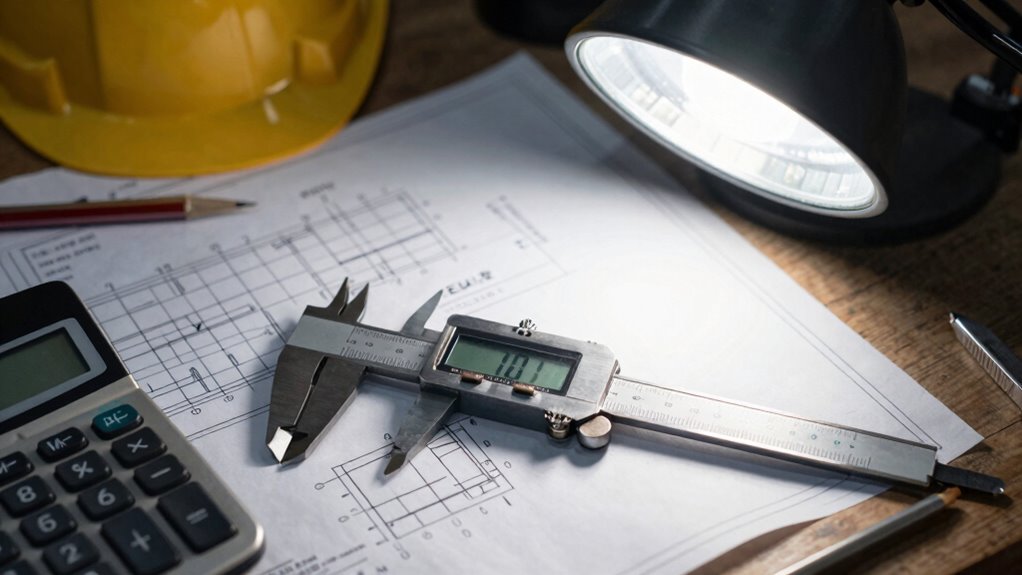

Despite advanced technology, unit conversion mistakes still cause big problems because human oversight remains essential. Automated tools help prevent errors, but they can miss small details or be misused. If you don’t double-check conversions or understand the units involved, costly or dangerous issues can happen. Staying vigilant and combining technology with careful review can considerably reduce risks. Keep exploring to uncover more strategies for avoiding these critical errors.

Prime made for students and young adults
- Fast, free delivery for dorm and study essentials
- Prime Video and Amazon Music included
- Member-only deals
Key Takeaways
- Automated tools can overlook errors, making human oversight essential to prevent costly mistakes.
- Small conversion errors in critical fields like healthcare or engineering can lead to dangerous or life-threatening outcomes.
- Inconsistent or misunderstood units can cause miscommunication and faulty decision-making across industries.
- Reliance solely on technology without double-checking increases the risk of errors slipping through.
- Historical incidents demonstrate that even minor unit mistakes can have severe, costly, or tragic consequences.
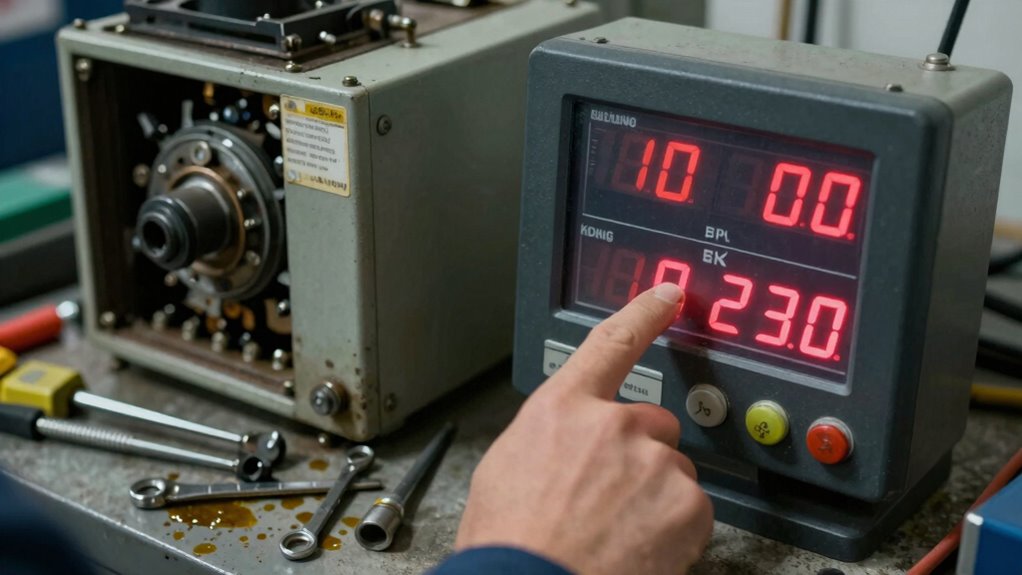
To prevent such errors, technological solutions have become increasingly essential. Modern software and digital tools are designed specifically to reduce the risk of manual mistakes. Conversion apps, embedded calculators, and integrated systems in engineering software automatically handle unit changes, minimizing human error. For instance, many engineering and CAD programs now include built-in unit management, allowing users to work seamlessly across different measurement systems without risking miscalculations. In healthcare, electronic health records and pharmacy systems now incorporate automatic unit conversions, guaranteeing that doses are correctly calculated regardless of the units used by different providers or suppliers. These technological solutions not only improve accuracy but also save time, reducing the likelihood of oversight that can occur with manual conversions. Additionally, the use of automated systems helps ensure consistency and reliability across various applications. Advanced algorithms are also employed to detect inconsistencies and flag potential errors before they cause problems. Additionally, the importance of standardized measurement systems helps maintain consistency and reduce confusion in critical fields. Incorporating validation protocols into digital tools further enhances error detection and correction processes, safeguarding against costly mistakes. As the complexity of projects increases, the reliance on precise measurement techniques becomes even more crucial to prevent costly errors. Despite these advancements, the need for vigilance remains. Human oversight is still essential, especially in critical applications where even small errors can have big consequences. The combination of historical lessons and modern technology underscores why unit conversion mistakes continue to cause big problems. They remind us that precision matters, and that relying on automatic tools alone isn’t enough. You should always double-check conversions, understand the units involved, and stay aware of potential pitfalls. Whether you’re working on engineering projects, handling medical dosages, or just converting measurements for everyday tasks, being cautious and using reliable technological solutions can help you avoid costly mistakes. Ultimately, understanding the risks and leveraging the right tools guarantees that unit conversions serve as a help rather than a hazard.
As an affiliate, we earn on qualifying purchases.
Frequently Asked Questions
How Do Unit Conversion Errors Impact Safety Protocols?
Unit conversion errors directly impact safety protocols by compromising measurement accuracy, which can lead to unsafe conditions. You might underestimate hazards or overestimate safety margins, increasing risk during operations. These mistakes skew risk assessment, making it harder to identify true dangers. To prevent accidents, you need to double-check conversions and verify precise measurements, maintaining high measurement accuracy and effective risk management.
What Tools Can Prevent Common Unit Conversion Mistakes?
You might find that digital conversion tools and software programs are your best allies for maintaining conversion accuracy and measurement consistency. They help eliminate human errors by automating calculations, reducing misinterpretations, and ensuring precise unit conversions. Always double-check results with reliable tools, and consider integrating measurement management systems into your workflow. These tools considerably decrease the risk of costly mistakes, keeping your projects safe and on track.
Are Unit Conversion Errors More Common in Specific Industries?
Yes, unit conversion errors are more common in industries like healthcare, engineering, and manufacturing where measurement consistency is vital. These fields face standardization challenges, making it easy to misinterpret units or switch between systems. You need to stay vigilant, double-check conversions, and use reliable tools to prevent costly mistakes. Proper training and clear protocols help guarantee accuracy, reducing risks associated with unit conversion errors in these high-stakes industries.
How Do Cultural Differences Affect Unit Measurement Standards?
Cultural standards often turn measurement discrepancies into international comedy. You might think everyone agrees on inches and centimeters, but cultural differences can wildly skew standards, leading to confusion and costly errors. When countries cling to their own measurement norms, misunderstandings become inevitable—think of the chaos in global projects! So, if you’re working internationally, brace yourself for quirky standards that challenge your unit conversion skills and test your patience.
Can Automation Fully Eliminate Unit Conversion Errors?
Automation can considerably improve measurement consistency and conversion accuracy, but it can’t fully eliminate errors. When you rely solely on automated systems, there’s still a chance of software glitches or data entry mistakes. While automation reduces human error, you need to regularly verify the accuracy of conversions and monitor systems. Combining automation with diligent checks ensures you maintain high measurement consistency and minimize conversion errors effectively.
engineering unit management software
As an affiliate, we earn on qualifying purchases.
As an affiliate, we earn on qualifying purchases.
Conclusion
When you overlook the importance of precise unit conversions, it’s like sailing a ship without a compass—mistakes can lead you far off course. These errors may seem small, but they can cause big problems down the line, from faulty engineering to costly accidents. So, double-check your math and stay vigilant. Remember, in the world of units, a tiny slip can turn a smooth ride into a turbulent storm. Stay sharp, and don’t let mistakes steer you wrong.
As an affiliate, we earn on qualifying purchases.
automated measurement conversion tool
As an affiliate, we earn on qualifying purchases.
As an affiliate, we earn on qualifying purchases.
Halloween Picks
halloween
As an affiliate, we earn on qualifying purchases.