
You might think shape doesn’t matter much, but in aerodynamics, geometry controls how air flows around an object. The design influences drag, lift, and stability by guiding airflow and delaying flow separation. Small changes in shape can greatly improve performance and efficiency. Engineers use this understanding to create streamlined forms that reduce turbulence and energy loss. As you discover more, you’ll see just how essential geometry is to optimizing airflow and achieving better aerodynamic results.

Prime made for students and young adults
- Fast, free delivery for dorm and study essentials
- Prime Video and Amazon Music included
- Member-only deals
Key Takeaways
- Shape determines airflow attachment and separation, directly affecting drag and lift performance.
- Streamlined geometries reduce turbulence and wake regions, enhancing efficiency and stability.
- Small design modifications can significantly alter flow patterns and aerodynamic forces.
- Airfoil and wing curvature optimize lift by guiding airflow smoothly, minimizing flow separation.
- Advances in computational tools enable precise shape optimization for improved aerodynamic performance.

Have you ever wondered how the shape of an object influences its movement through the air? The answer lies in the fundamentals of aerodynamics, where geometry plays an essential role in determining how smoothly an object can cut through the atmosphere. When air flows over a surface, its behavior depends heavily on the shape of that surface. If you design an object with a streamlined form, you minimize disruptions in airflow, leading to more efficient movement. Conversely, a poorly shaped object can cause turbulence, drag, and instability.
One key aspect of this relationship is flow separation. When air encounters a blunt or uneven surface, it can detach from the object at certain points, creating regions of turbulent wake behind it. This flow separation increases drag considerably, slowing down the object and wasting energy. By understanding how geometry influences flow separation, engineers craft shapes that keep the airflow attached longer, reducing drag and enhancing performance. For example, the sleek curves of an airplane wing are deliberately designed to delay flow separation, allowing the aircraft to move faster and more efficiently.
Lift generation is another vital factor affected by an object’s shape. For wings or any airfoil, the geometry determines how the air moves around it, creating differences in pressure that lift the object upward. A well-designed wing shape guides airflow smoothly over its surface, generating the necessary lift without excessive drag. The camber, angle, and curvature of the wing are all carefully optimized to enhance lift while minimizing flow separation. When airflow remains attached along the wing’s surface, lift is maximized, and the aircraft can achieve better fuel efficiency and stability.
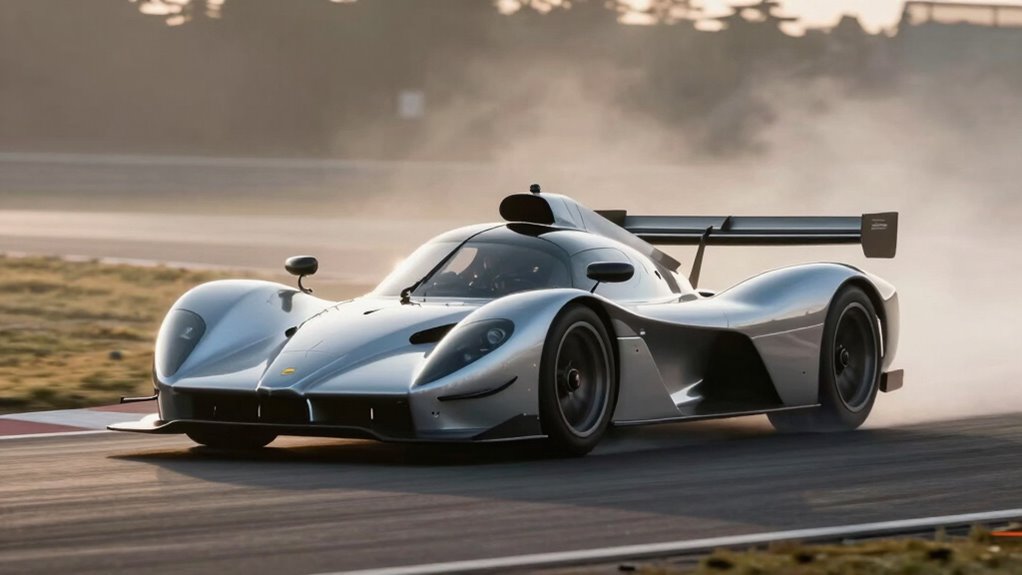
What most people overlook is that these aerodynamic effects are not just about speed; they’re about control and efficiency. Small changes in geometry can drastically alter flow separation points, which in turn impacts lift and drag. This is why even minor tweaks in the shape of sports cars, drones, or even bicycle helmets can make a big difference in performance. Understanding the relationship between shape and airflow allows designers to manipulate flow separation and lift generation, creating objects that slice through the air with ease and precision. Additionally, advancements in understanding aerodynamics often hinge on detailed knowledge of how geometry influences airflow and the resulting forces on objects. Recognizing the importance of aerodynamic optimization can lead to more innovative and efficient designs across various industries. Furthermore, computational tools and simulations have become crucial for predicting how subtle variations in shape affect airflow, enabling more precise design improvements.
Ultimately, your awareness of how geometry influences aerodynamics can deepen your appreciation for the engineering behind everyday objects. It’s not just about aesthetics; it’s about the physics that govern motion and efficiency. When you realize how shape controls flow separation and lift, you see that aerodynamics depends far more on geometry than most people realize. Moreover, ongoing research into fluid dynamics continues to reveal new ways to improve aerodynamic performance by refining object shapes for optimal airflow, opening new avenues for innovation and efficiency.
aerodynamic streamline design tools
As an affiliate, we earn on qualifying purchases.
As an affiliate, we earn on qualifying purchases.
Frequently Asked Questions
How Does Surface Finish Affect Aerodynamic Performance?
Surface finish markedly affects aerodynamic performance by influencing airflow. Smooth surface textures reduce drag, making your vehicle more efficient, while rough textures increase turbulence. Coating materials also matter; low-friction coatings can minimize drag, whereas rough or uneven coatings can disrupt airflow. By choosing the right surface textures and coating materials, you optimize aerodynamics, ultimately improving speed, fuel efficiency, and overall performance.
Can Small Geometric Changes Significantly Impact Drag?
A tiny geometric tweak can skyrocket your drag! Even slight changes in shape optimization or geometric precision drastically alter airflow, making your vehicle either slice through air or get bogged down. Don’t underestimate the power of small adjustments—they can mean the difference between peak performance and sluggishness. Mastering these minute details transforms your design, ensuring maximum efficiency and minimal resistance in the most dramatic way possible.
How Do Aerodynamic Principles Apply to Non-Vehicle Objects?
You can see aerodynamic principles in non-vehicle objects through flow separation and boundary layer effects. When air flows over an object, the boundary layer may separate, creating turbulence and drag. By understanding how shape influences flow separation, you can design objects—like wings or even sports equipment—that minimize drag and improve performance. Small geometric tweaks can keep the boundary layer attached, reducing flow separation and making objects more aerodynamic.
What Role Does Airflow Turbulence Play in Aerodynamics?
Airflow turbulence markedly impacts aerodynamics by causing flow separation and vortex shedding. When airflow separates from a surface, it creates turbulent wake regions, increasing drag and reducing efficiency. Vortex shedding occurs as alternating vortices form and detach, leading to oscillations and instability. You can minimize these effects by designing shapes that promote smooth airflow, reducing turbulence, and improving overall aerodynamic performance.
How Do Different Materials Influence Aerodynamic Efficiency?
Different materials influence aerodynamic efficiency through their material properties and structural flexibility. You’ll find that rigid materials, like metals, often maintain smooth surfaces that reduce drag, while flexible materials, like certain composites, can adapt shape under airflow, improving performance. Choosing the right material depends on balancing strength, weight, and flexibility to optimize airflow, minimize turbulence, and ultimately enhance overall aerodynamic efficiency.
As an affiliate, we earn on qualifying purchases.
Conclusion
Remember, shape makes all the difference in aerodynamics. You might think speed or material matters most, but your vehicle’s geometry truly determines how it cuts through the air. Like the saying goes, “You are what you eat,” but in aerodynamics, “You are what you shape.” By understanding and optimizing your design, you can discover better performance and efficiency. So, always pay attention to the details—because in aerodynamics, form really follows function.
As an affiliate, we earn on qualifying purchases.
As an affiliate, we earn on qualifying purchases.
Fall Picks
fall essentials
As an affiliate, we earn on qualifying purchases.